Among the changes in April 2026, one went almost unnoticed amid the launch of SPOT and the expansion of labeling. Cash settlements with suppliers from the EAEU countries — Belarus and Kazakhstan — have been outlawed for legal entities and individual entrepreneurs since April. Only non-cash transfers.
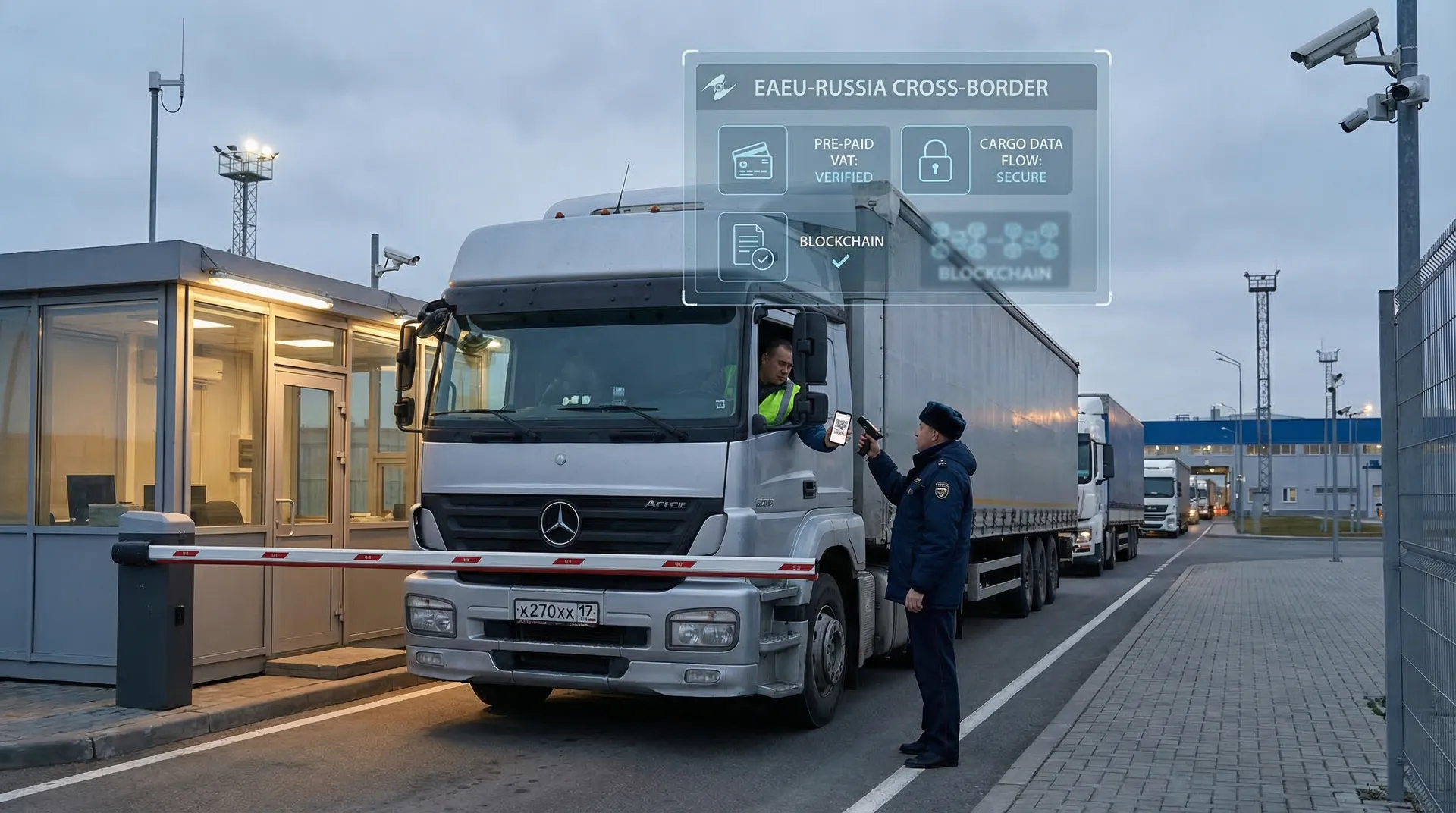
This requirement is not independent — it is written into the general logic of whitewashing import flows from the EAEU. SPOT builds a digital footprint from the DPP to the border crossing. Switching to cashless closes the remaining loopholes: cash payment does not leave a trace in banking systems and cannot be compared with the DPP and customs declaration.
In practice, many small companies working with Belarusian and Kazakh suppliers continue to use cash, especially for small shipments and one—time transactions. This creates a double risk: violation of currency legislation and inconsistency of data in the SPOT.
The requirement applies specifically to legal entities and sole proprietors. The restriction does not apply to individuals who import goods for personal needs.
What needs to be done right now: check all existing contracts with Belarusian and Kazakh suppliers for payment forms; transfer the remaining suppliers with whom they paid in cash to non-cash schemes; make sure that the bank records all payments in a format compatible with the requirements of the Federal Tax Service and the FCS.
A violation will not be detected immediately, but a system comparison of SPOT data with bank transactions will sooner or later reveal discrepancies. It is better not to wait for this moment.
Read the full and detailed analysis of the SPOTS from our expert here.