The head of the Federal Customs Service arrived at the border with Kazakhstan — the SPOT will be launched on time

When the head of the Federal Customs Service personally travels to the border with Kazakhstan, this is not a protocol event. Valery Pikalev, together with Deputy Agepsim Ashkalov and Head of the Volga Customs Administration Viktor Nikulin, inspected the work of mobile groups of Samara customs near Mashtakovo checkpoint.
The context of the visit is crucial. Mashtakovo is one of the largest automobile crossings on the Russian-Kazakh section of the border. It is through Kazakhstan that a significant part of the goods imported as part of parallel import and transit from China go. And it is this area that will be the first to come under the full control of the SPOT system from July 1, 2026.
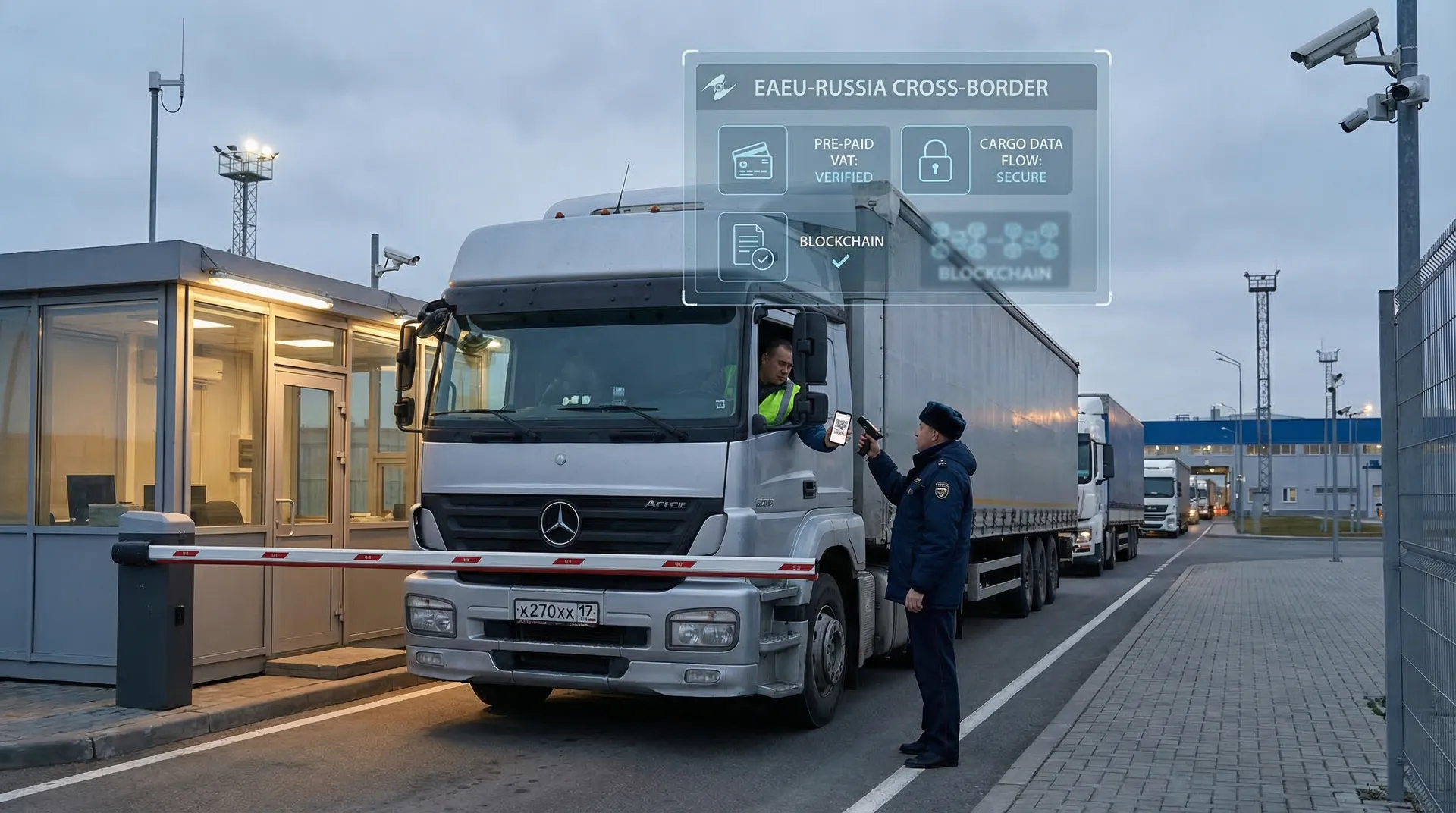
FCS mobile groups are inspection teams that check goods not at stationary customs posts, but on the move: on highways, at parking lots, at entrances to warehouses. In the logic of SPOT, they will become the main tool for checking QR codes for truck drivers entering from the EAEU. Without a QR code, it's a U—turn.
The visit of the head of the Federal Customs Service on the eve of the launch of the system reads as a direct signal to business: the system will work on time, control will be real, not formal. You should not expect any postponements or mitigation.
For companies importing goods through Kazakhstan by road, a transition period is in effect until May 31 — you can submit an additional payment and test the system without penalty consequences. But starting from June 1, the absence of a QR code means that the cargo will not be allowed to the border. Seven weeks is not long, especially if there are Kazakhstani agents or intermediaries in the chain who have not yet reformed.