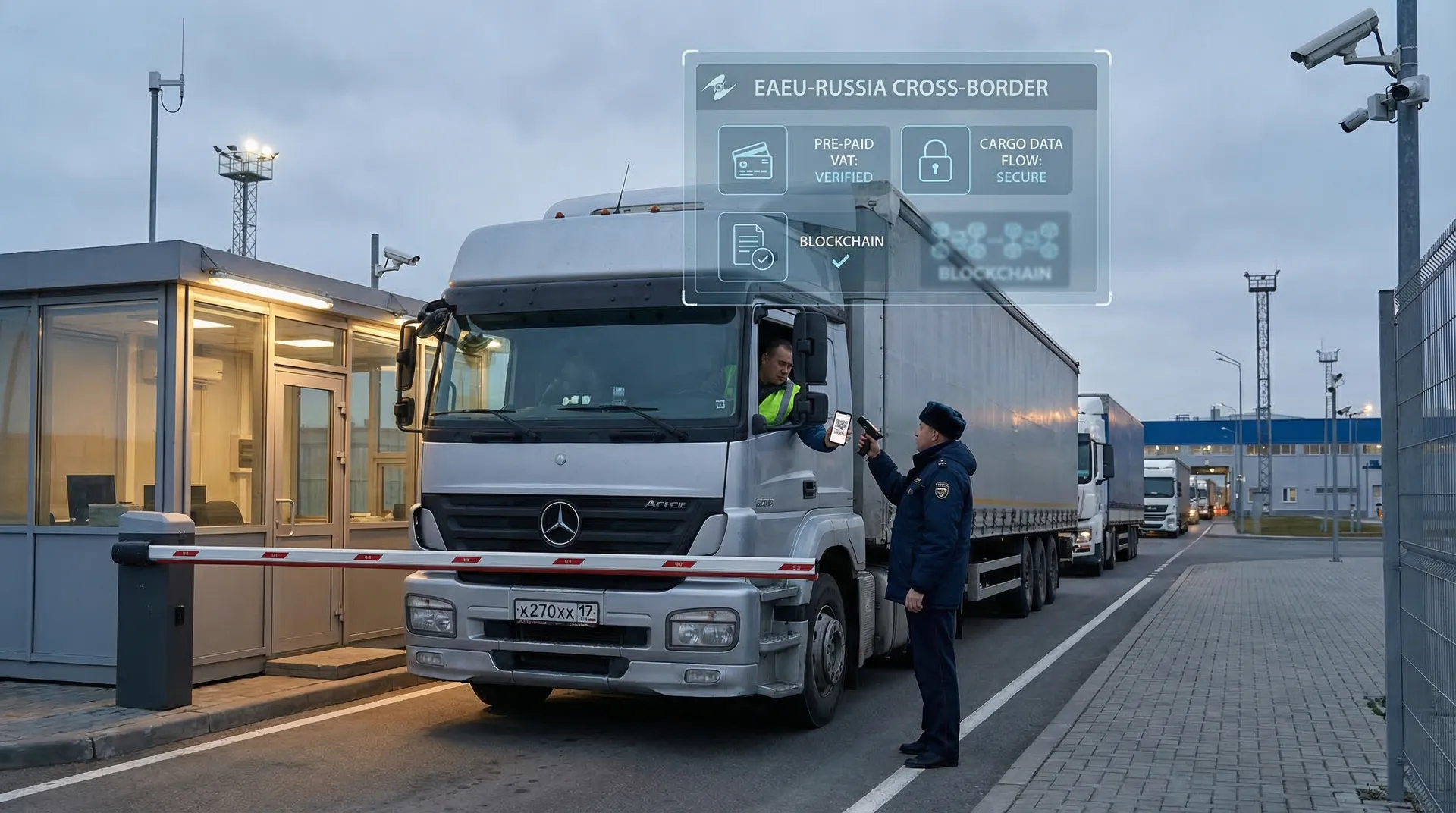
The Federal Customs Service is launching a new control mechanism for the departure of goods outside Russia. The Agency has approved the form of a special order, which will be issued in some cases directly at the checkpoint. The document has become part of the practical implementation of legislation on the product traceability system.
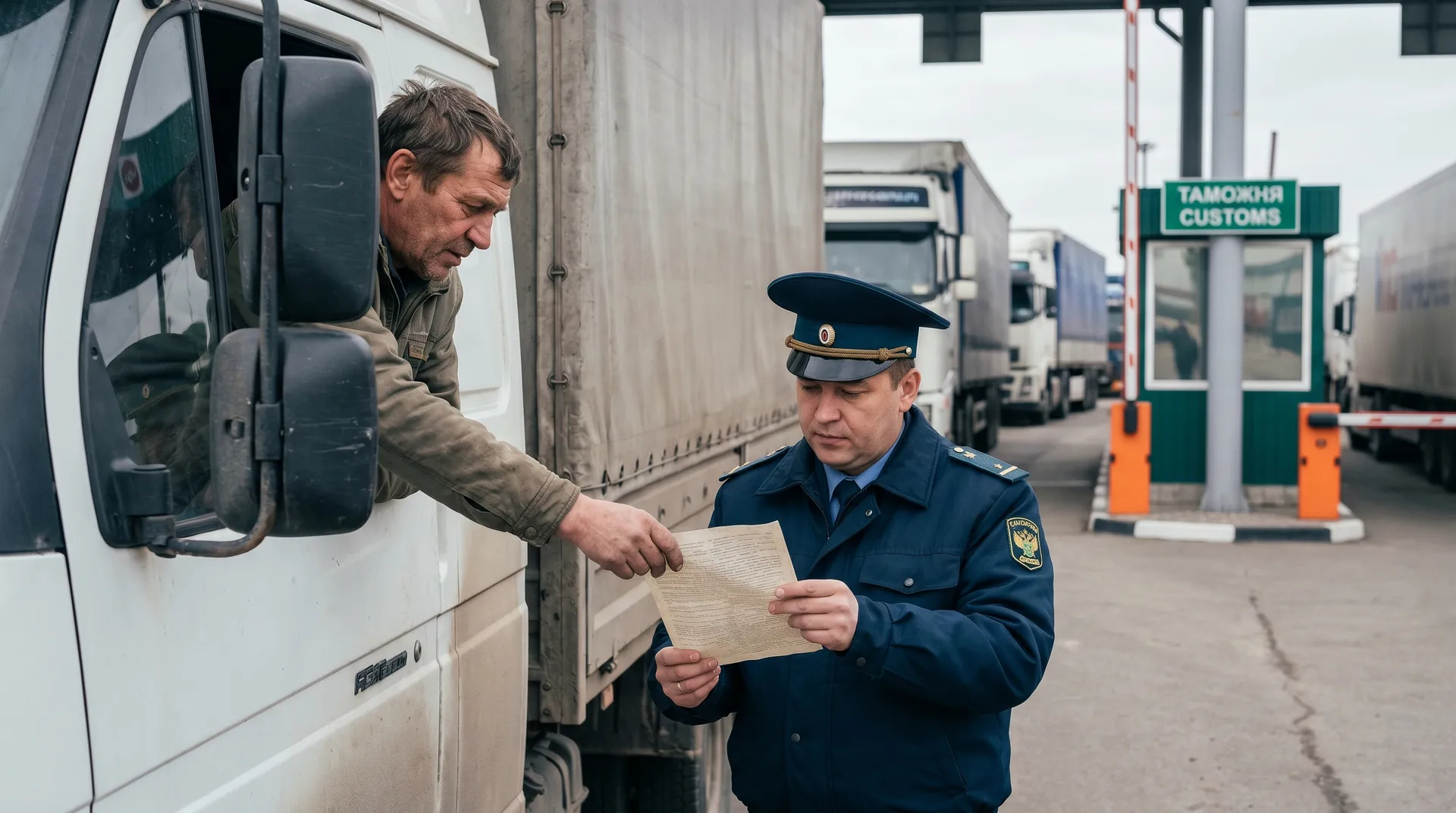
The new procedure introduces an additional level of verification for car carriers. The customs authorities receive a tool that allows them to promptly record violations and restrict departure until nonconformities are eliminated. We are talking about situations where the driver does not have a QR code, there is no data in the DPP system, or discrepancies in the documents have been identified.
The prescription actually becomes a mandatory element of the procedure when identifying risks. Without its execution, the carrier will not be able to continue traveling abroad. This changes the usual model of border crossing: control is shifting towards digital data and their compliance with the system.
For the participants of foreign economic activity, innovation means an increase in the requirements for the preparation of documents. Errors in information or late loading of information into digital systems can now lead to delays at the border. Both small carriers and large logistics operators with a large volume of flights are at risk.
The additional burden falls on the drivers. They need to check the QR code in advance and the correctness of all data in order to avoid issuing a prescription. In practice, this may increase the time required to pass through checkpoints and affect delivery schedules.
Market experts already expect an increase in demand for digital transportation support services. Companies will strengthen document management control and integration with government systems. In the context of the growing digitalization of customs procedures, this is becoming a key factor in stable logistics.