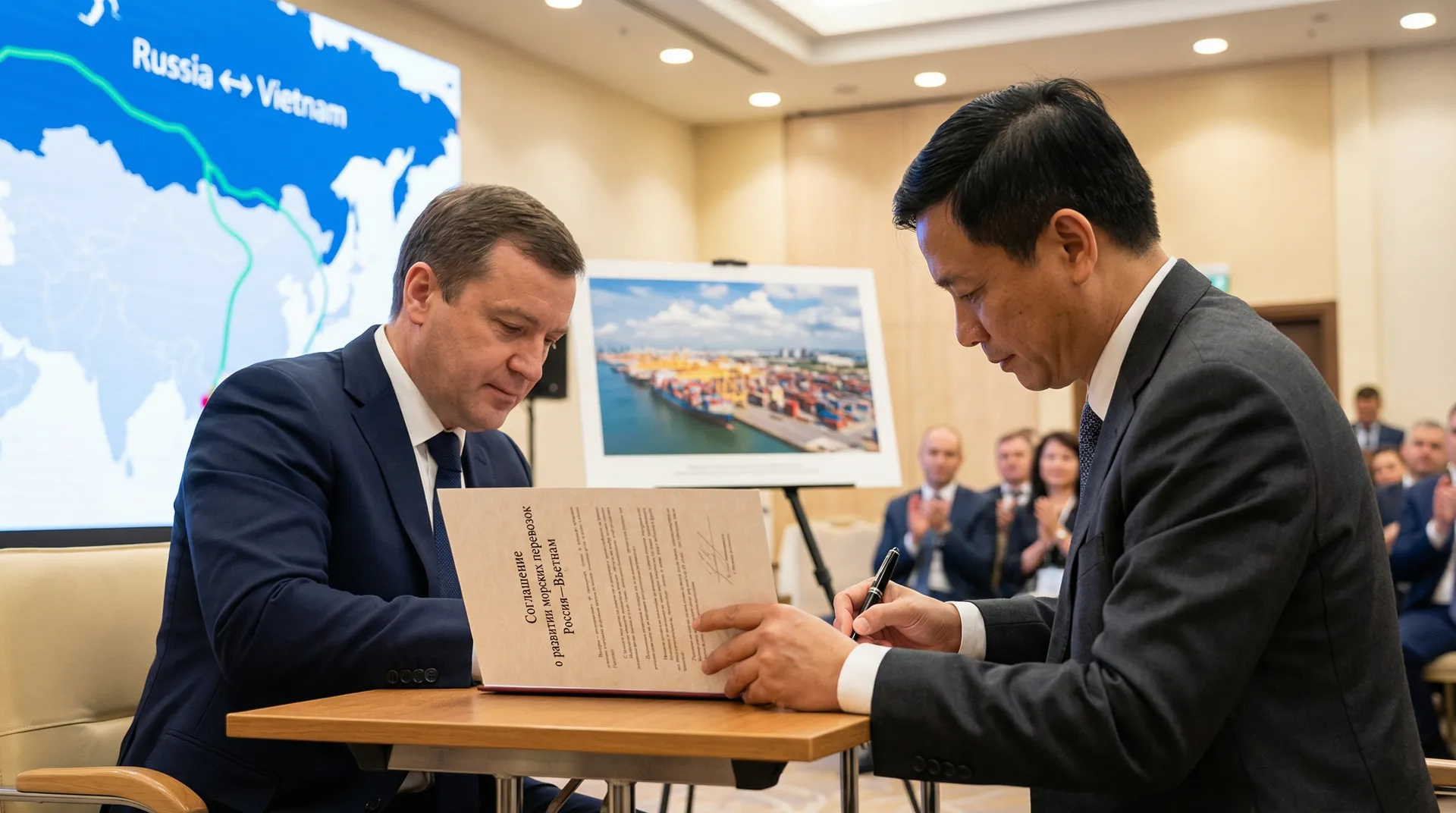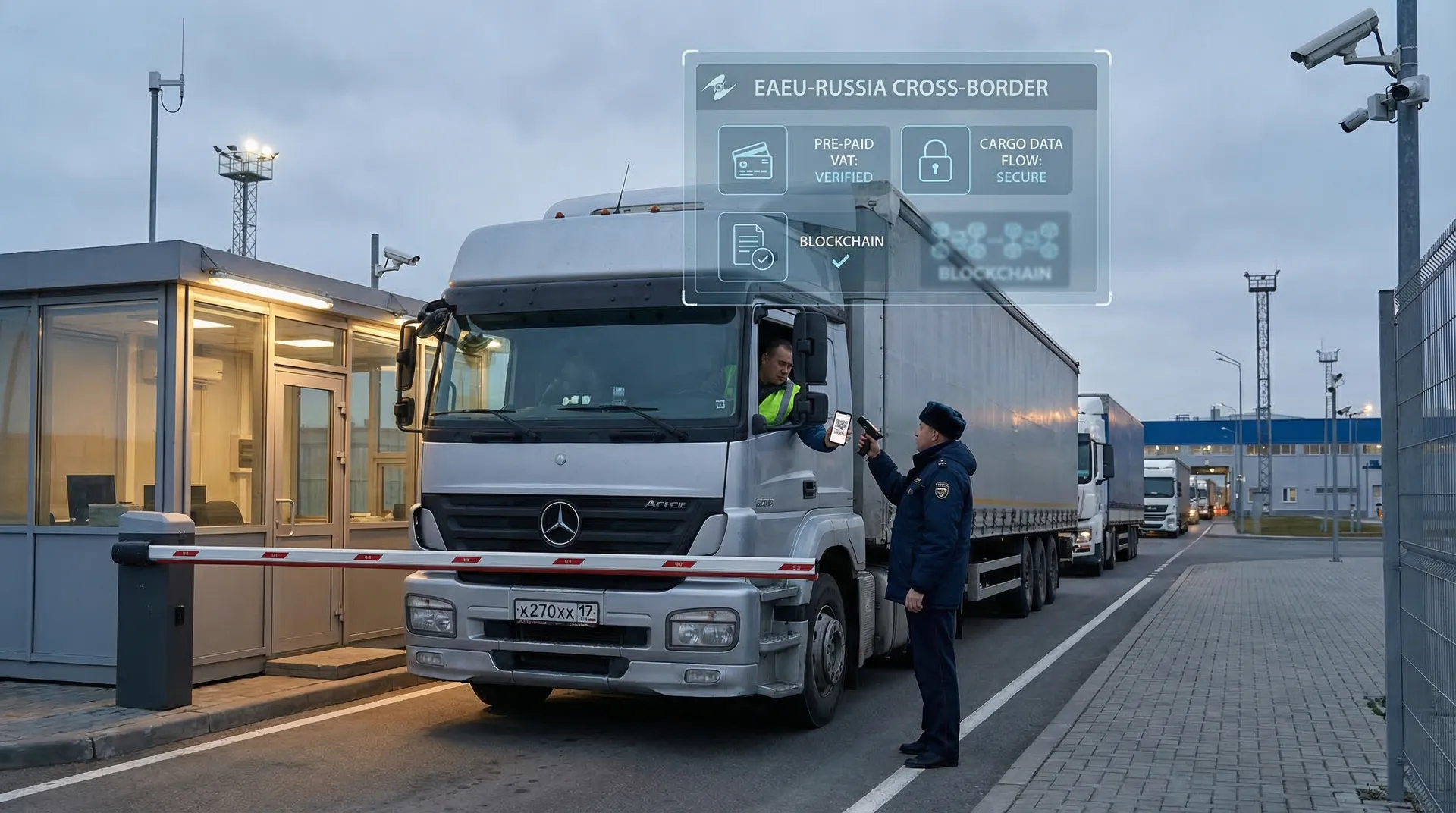
The essence of the event is not just "another train", but the appearance of a new regular export point on the map of land corridors in China. Two grain trains were sent to Tianjin in transit through Kazakhstan and the Altynkol–Khorgos border crossing. The shipment is large: 248 TEU in 62 forty-foot containers per train, and the average transit is stated at 20 days.
Why this is important for foreign economic activity and logistics:
- Expansion of the geography of export “gates". Kurgan is a convenient consolidation point for agricultural cargoes and processed products from the Urals and parts of Western Siberia. When there are direct container shipments "from the spot", the business is less dependent on overloaded hubs and long haulage arms to large terminals.
- Grain containerization as a trend. Grain in containers wins where batch flexibility, more precise work with the recipient, and the ability to transport cargo deeper into China without overloading are needed. Tianjin is a major hub where it is convenient to “unpack” container flows further across provinces or into a multimodal through the port infrastructure. (The fact of the appointment of Tianjin and the dispatch parameters are from the official message.)
- The corridor through Kazakhstan and Altynkol–Khorgos is a bet on scale. This crossing remains one of the key land channels in communication with China, but the quality of service always depends on schedules, track connections, terminal operation and “peak” seasons. For cargo owners, the main advantage is a clear route and the ability to plan the chain for a fixed transit window.
- 20 days is a product, not just a number. It is important for the exporter that the declared transit allows:
- it is more accurate to count the turnover of capital (the money in the product is “frozen" less);
- perform contract schedules more stably;
- reduce the need for insurance reserves from the recipient.
At the same time, in practice, the time will depend on the season, queues at terminals and the speed of connecting operations at the border. Therefore, it is important for businesses to fix SLAs in contractual terms and understand where the “bottlenecks" of the route are.
FESCO's plans to develop export and domestic routes from Kurgan are logical: the company is consistently building up its network of container trains and custom services, and the new departure point is increasing competition in the domestic logistics market for export corridors.
What this means for companies that sell to China:
- it makes sense to test container shipments (including food and agro) with consolidation in the region, if previously it was necessary to transport them to distant hubs.;
- it is worth working out in advance the requirements of the Chinese side for documents and phytosanitary (this is critical for agro);
- It is advantageous to consider not only the “per container” rate, but also the full economy: transportation to Kurgan, terminal services, transit, intra-Chinese shoulder.
Bottom line: the launch of the first trains from Kurgan is a small but significant step towards a more “networked” export model, where new departure points reduce leverage and add stability to the market.