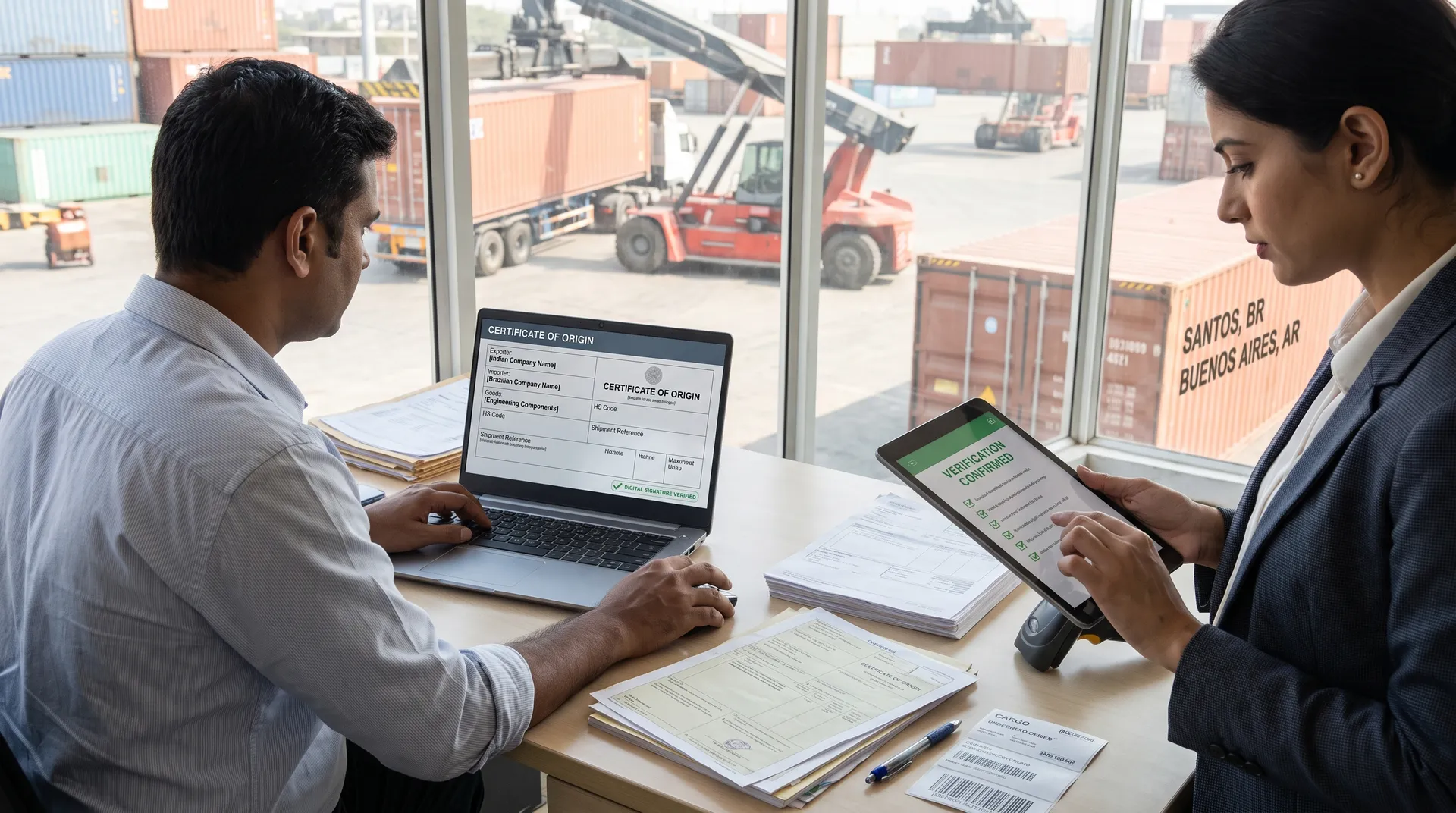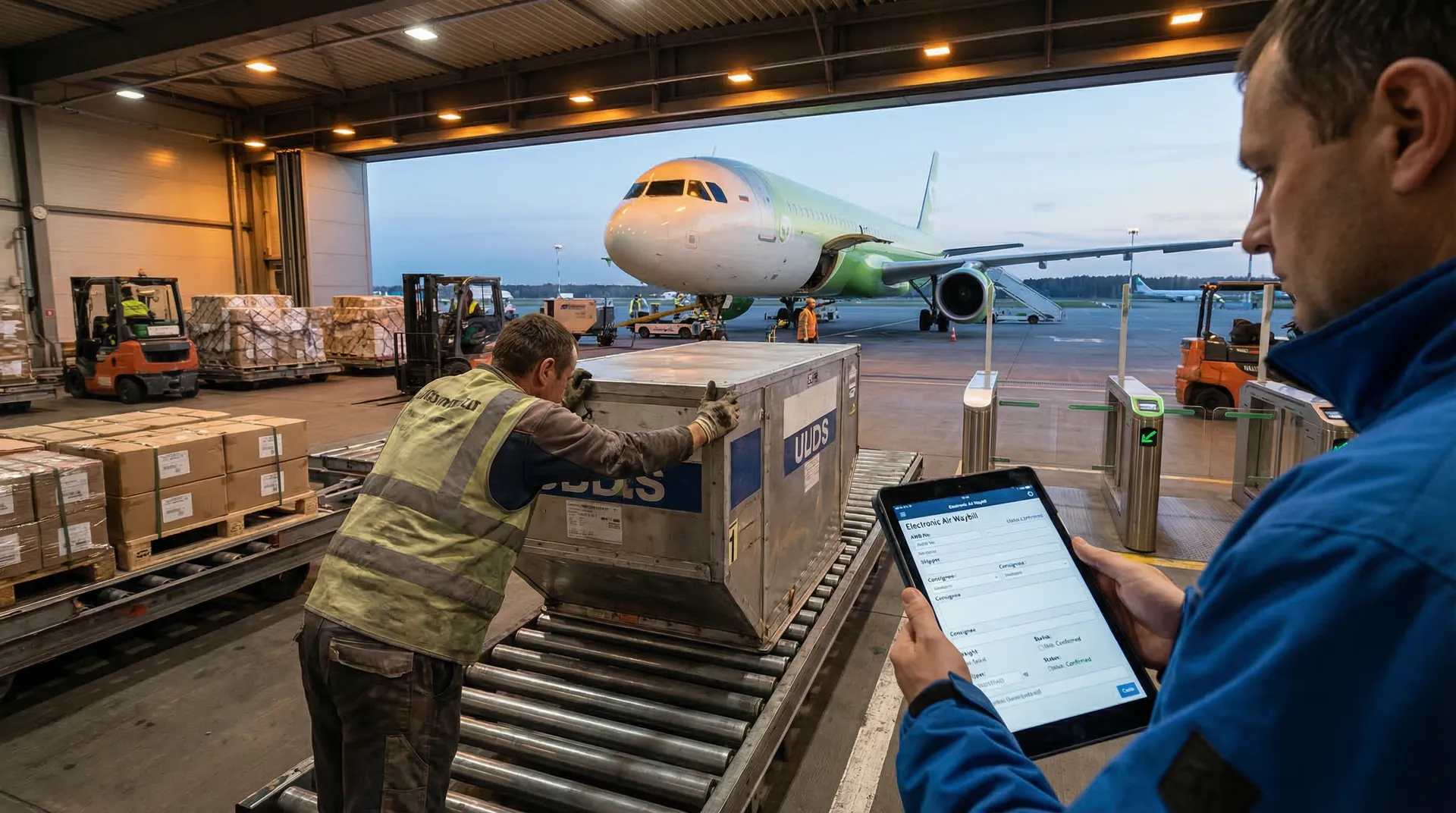
The Russian aviation statistics market is approaching the point where "paper" begins to interfere with speed. RWB and S7 Cargo have agreed on a phased transition to electronic air waybills in domestic transportation. The launch is scheduled for April 1, 2026: on this day, e-AWB will be used on cargo flights, and from September 1, 2026, the digital document will be distributed to the transportation of marketplace goods on S7 Airlines passenger flights.
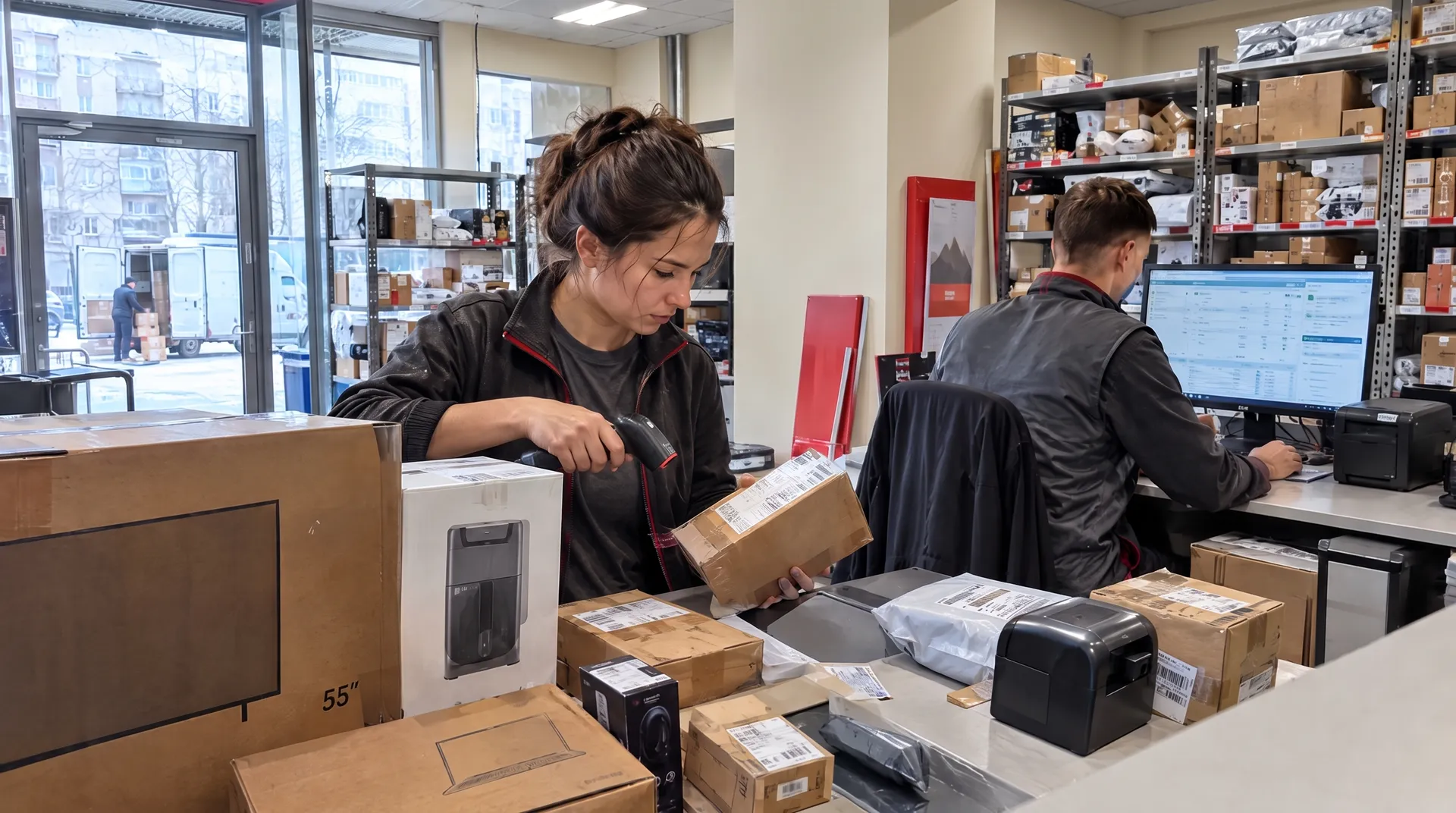
The point of this step is operational economics. The electronic invoice makes it faster to verify data, reduces manual entry, simplifies status control and reduces delays at the warehouse—terminal—board junctions. For the marketplace, this is especially important in destinations with limited flight frequency and narrow acceptance windows, where a single documentation failure breaks the last-mile schedule.
Publicly, companies link the project to the general trend of digitalization of transportation documents. In 2026, the industry is preparing to expand the use of electronic transportation documents at the regulatory level, and an early launch within the partnership looks like preparing processes before the requirements become widespread.
For clients, the effect will be noticeable in three places. The first is speed: registration and adjustments go into the electronic circuit, which speeds up the transfer of cargo between participants. The second is transparency: there are fewer discrepancies between the fact and the document, more tracking and unified reference books. The third is to reduce the cost of "paper" operations: printing, storage, forwarding, corrections.
A separate practical nuance: the implementation of e-AWB almost always requires the discipline of master data. If addresses, codes, names or weights are "walking" on the sender's side in the product cards and the counterparty, the digital document begins to return errors already on the first integration. Therefore, those who, in parallel with the transition to e-AWB, will clean up the directories and establish control over the filling will benefit.