The e-commerce market in Russia continues to grow rapidly. The Internet Commerce Association estimates that by the end of 2025, the volume will reach 12 trillion rubles. However, along with the growth in turnover, logistics problems are also increasing, especially during the peak autumn period.
Autumn is traditionally a hot season for marketplaces. The volume of orders is rapidly increasing, especially for large-sized items and in the regions. At the same time, the number of order pick-up points has increased by more than 30% over the year. This workload has revealed weaknesses in the infrastructure and logistics processes.
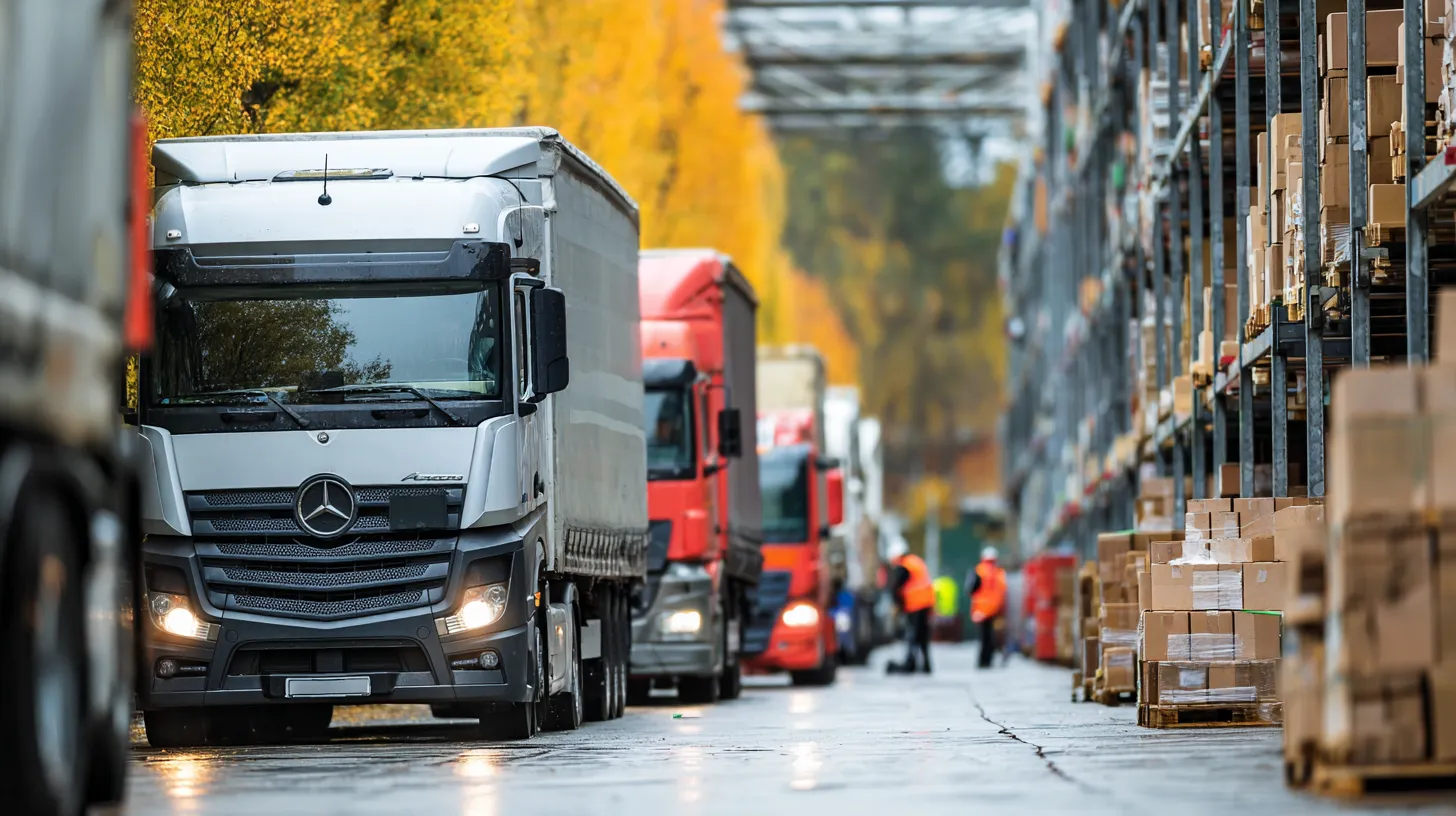
The main problem was the shortage of workers. A decrease in the number of migrant workers and an increase in the burden on the remaining staff create disruptions in the reception, sorting and delivery of orders. Marketplaces also face a shortage of slots for unloading trucks, as a result of which warehouses are overloaded and queues form.
International logistics creates no less difficulty. Delivery from China is hampered by new rules from Kazakhstan, where the cargo clearance procedure has become more complicated. Control on the Russian side has also increased — even legitimate shipments are delayed due to the identified cases of transportation of prohibited equipment.
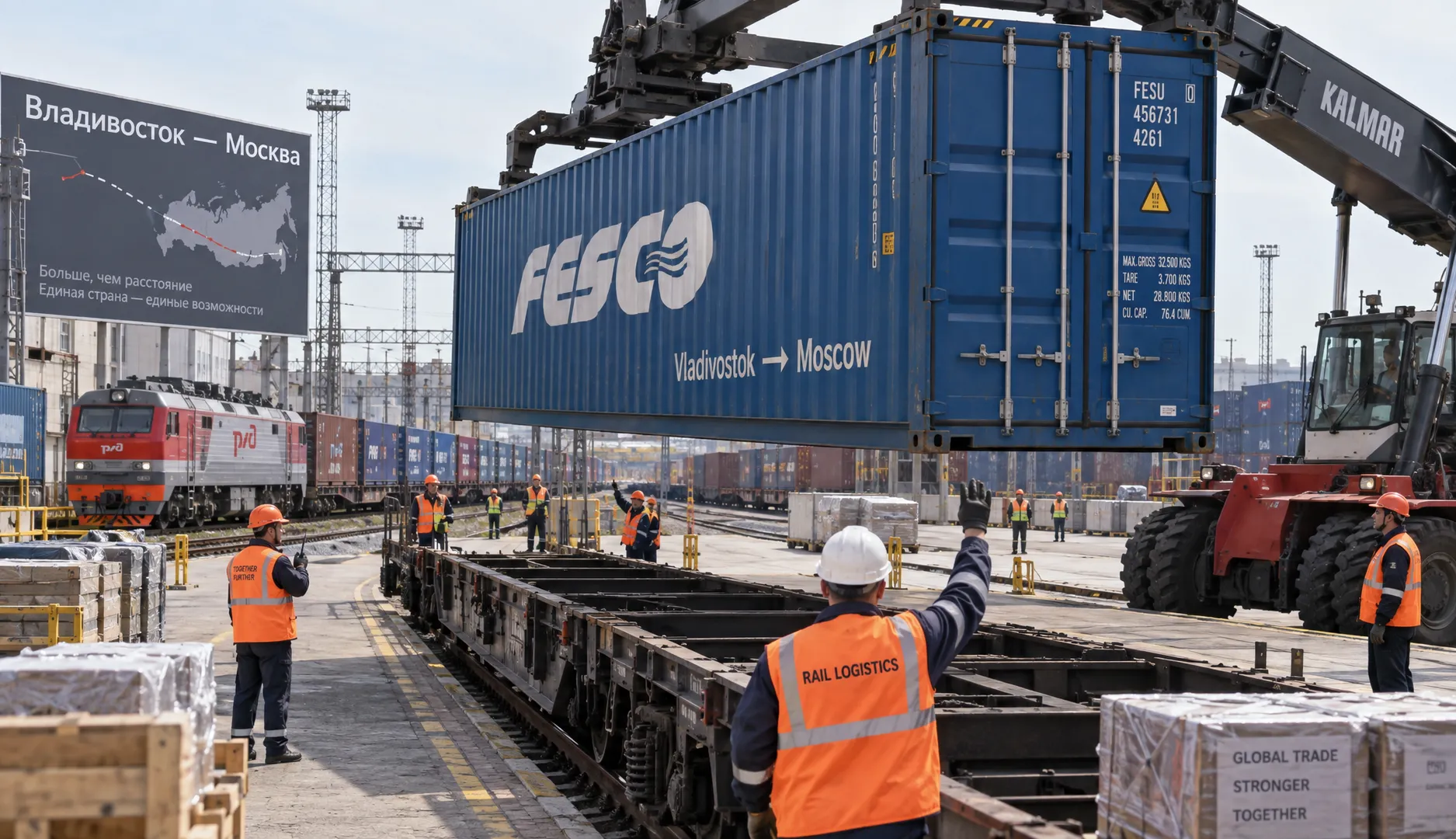
Competition with industrial cargoes on railway routes is becoming a separate problem — marketplaces have to give priority to strategically important supplies.
It is important to note that a logistical failure within a country has a much greater impact on timing than borders. The situation requires systemic solutions: peak forecasting, expansion of warehouse capacity, implementation of automation and optimization of route networks.
If no action is taken, there is a high risk of reducing customer loyalty, because for more than a third of customers, delivery speed is a key factor in choosing a seller.