Ozon continues to expand its presence in the CIS and enters the market of Turkmenistan. For the marketplace, this is another growth point in the region, and for Russian sellers, it is a new cross—border sales channel within the already familiar logistics geography.
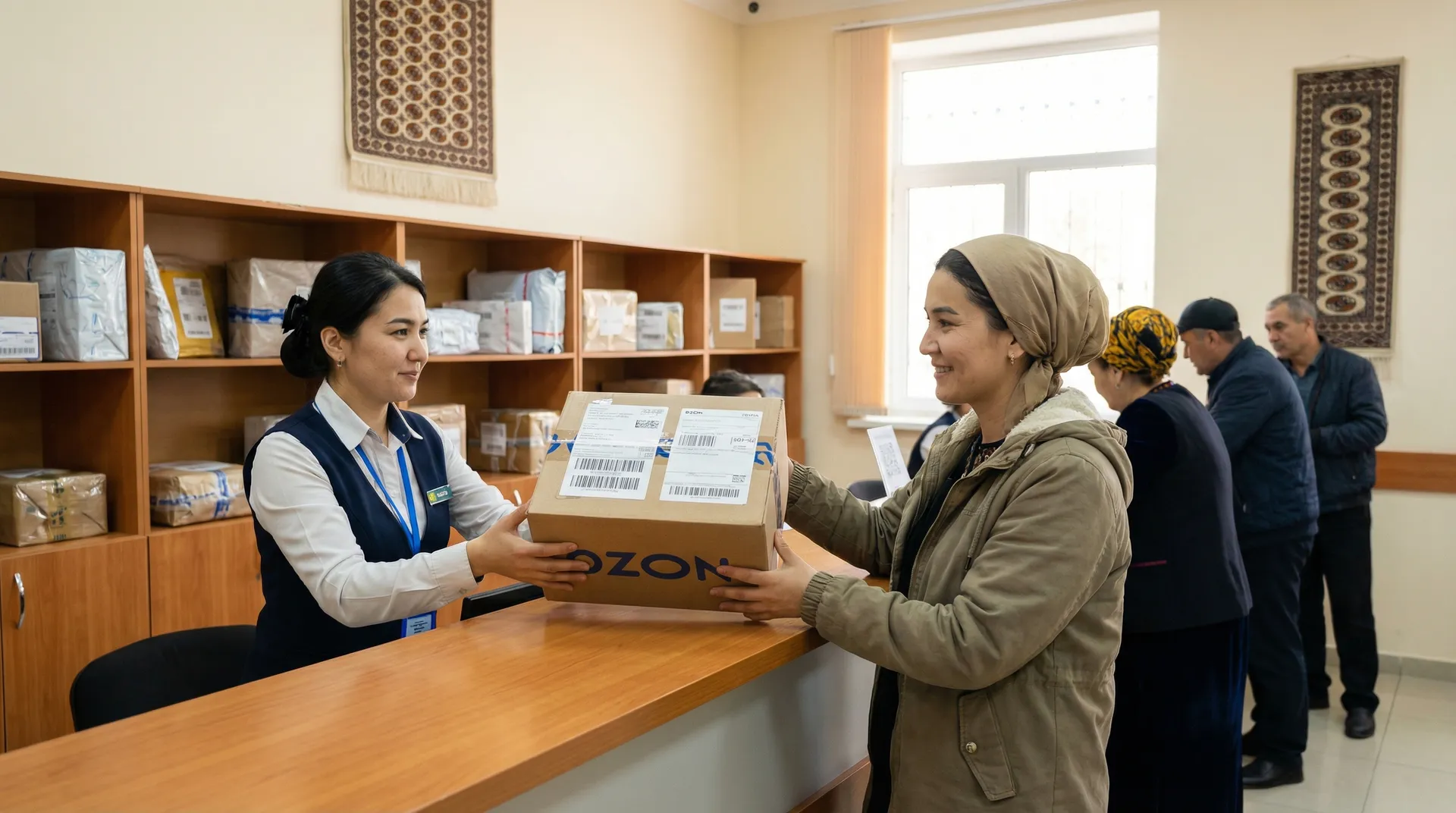
At the first stage, the model looks pragmatic. Customers in Turkmenistan will have access to a wide range of goods, and orders will be issued through the infrastructure of the local postal operator. This format allows you to quickly launch sales without having to build your own network for a long time and immediately check the demand for different product categories.
Natalia Boer, CEO of Ozon CIS, explicitly outlined the logic of the project: "We are consistently expanding the geography of Ozon's presence, and launching in Turkmenistan is an important step in this strategy. This opens up a new growth point for us, and most importantly, it gives Russian entrepreneurs and manufacturers another country to scale their business in."
For the market, this story is important in two ways at once. The first one is for export. More and more marketplaces are becoming a full-fledged foreign trade tool for small and medium-sized businesses. The second is logistical. The wider the coverage of the platform in the CIS countries, the more stable the delivery, refund and customer service schemes within the region become. The launch in Turkmenistan shows that the competition of marketplaces has been going on for a long time not only for the buyer in Russia, but also for control over cross-border ecommerce throughout the post-Soviet space.