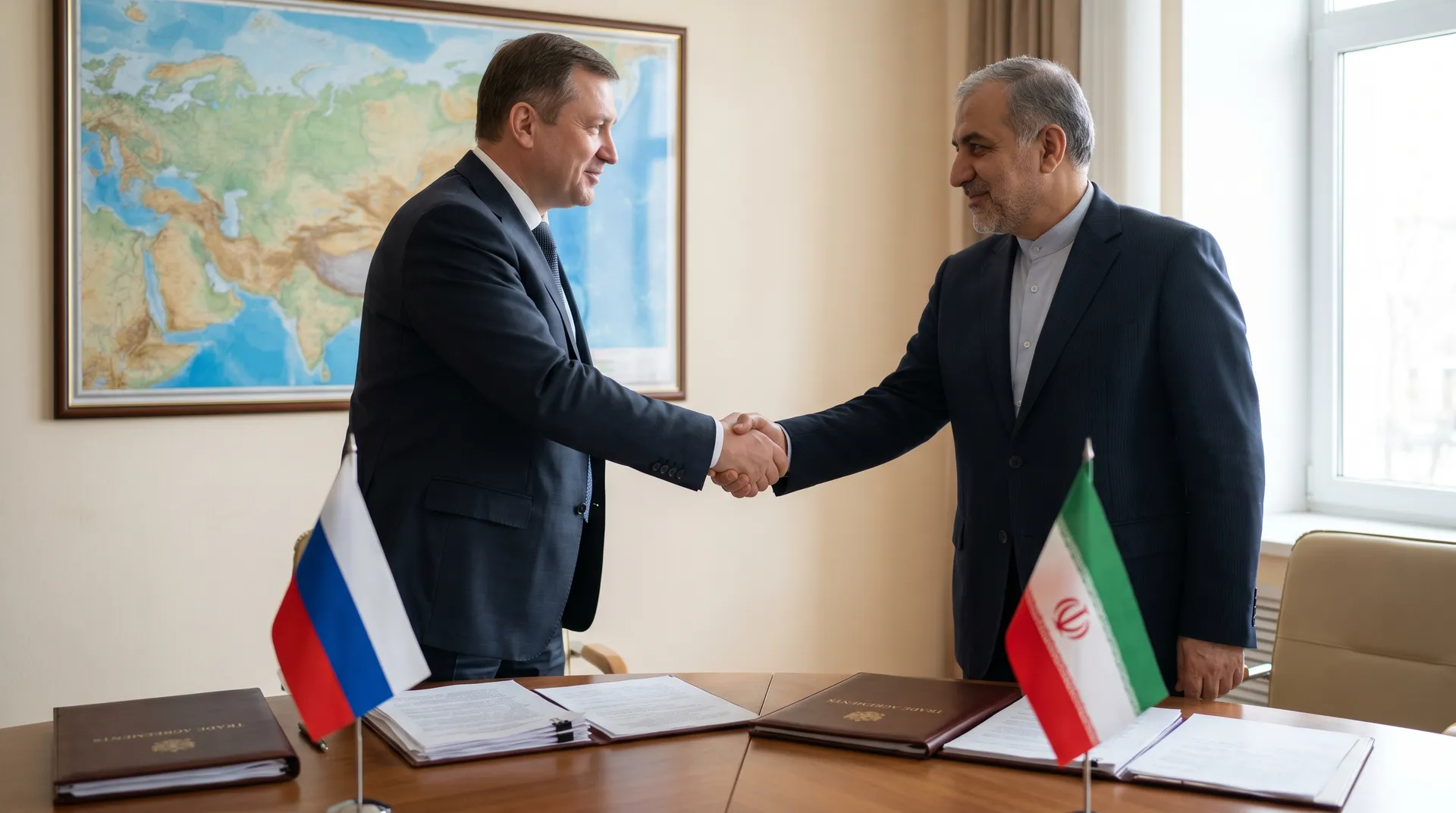
Russia and Iran have set a benchmark for bilateral trade — $30 billion — and linked it to practical work on expanding cooperation. This is an important signal for the logistics and foreign trade markets: when a specific goal appears, routes, financial solutions and infrastructure projects begin to be built for it.
The central formulation was made following the meeting in Tehran.:
"Both sides confirmed their intention to develop cooperation using the available opportunities to achieve a trade turnover of $30 billion. The province of Tehran, given the important role of entrepreneurs and economic figures, will play a significant role in this process," he said in an interview with the IRNA news agency.
For freight transportation, the key question is how this growth will "go" physically. The most logical framework is the South–North corridor and a bundle of maritime, railway and automobile arms. An increase in trade turnover almost always means an increase in container flows, the need for stable schedules, an expansion of storage capacities at transshipment hubs and an increase in customs and warehouse services.
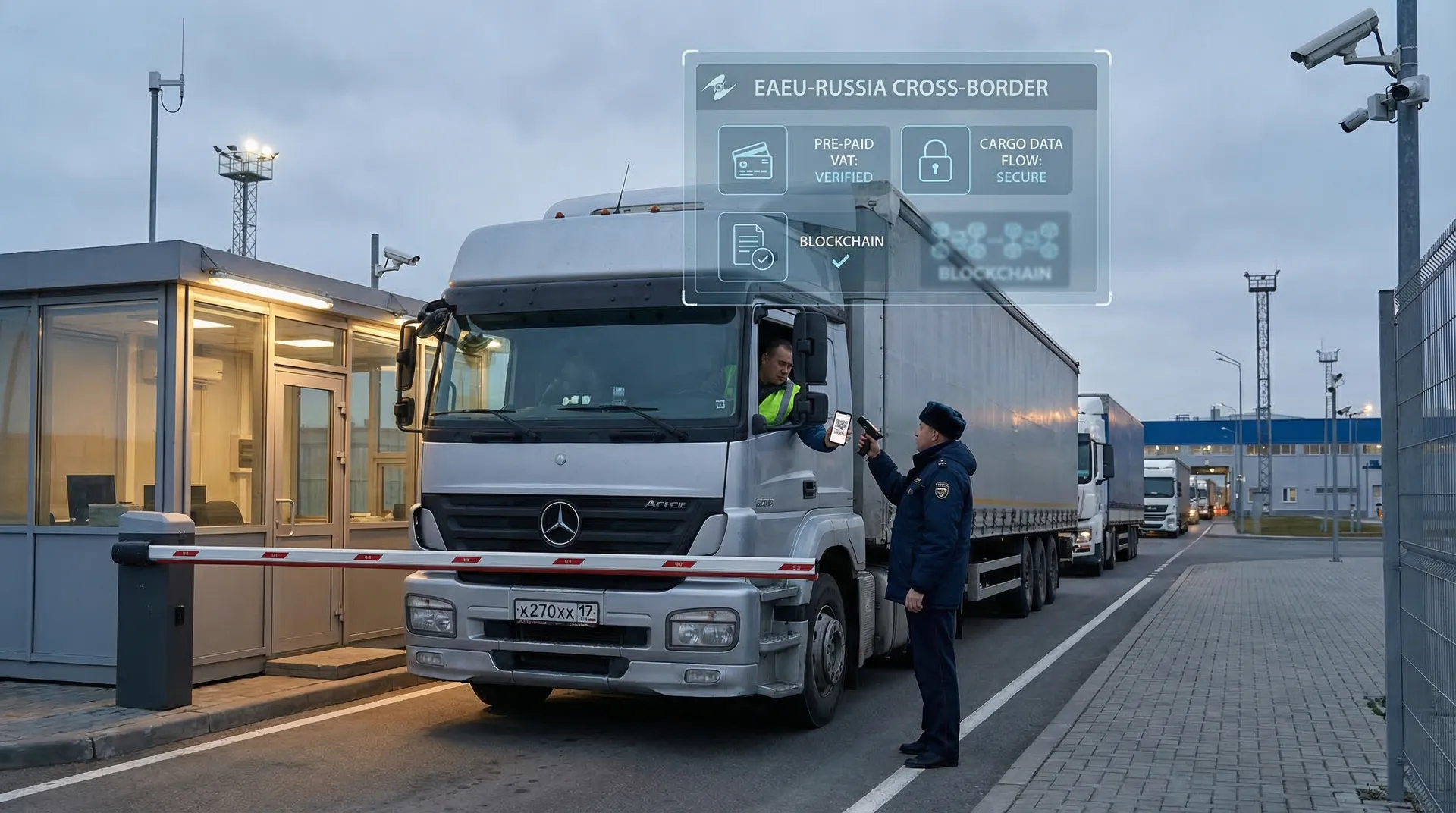
For Russian importers and exporters, this is also a story about the predictability of payments and risk insurance. When transactions flow regularly, uniform standards of documents, EDI, clear terms of delivery, and the parties' responsibility for deadlines are important. In the B2B segment, there is a growing demand for "end-to-end" solutions: transportation + customs support + financial service + warehouse.
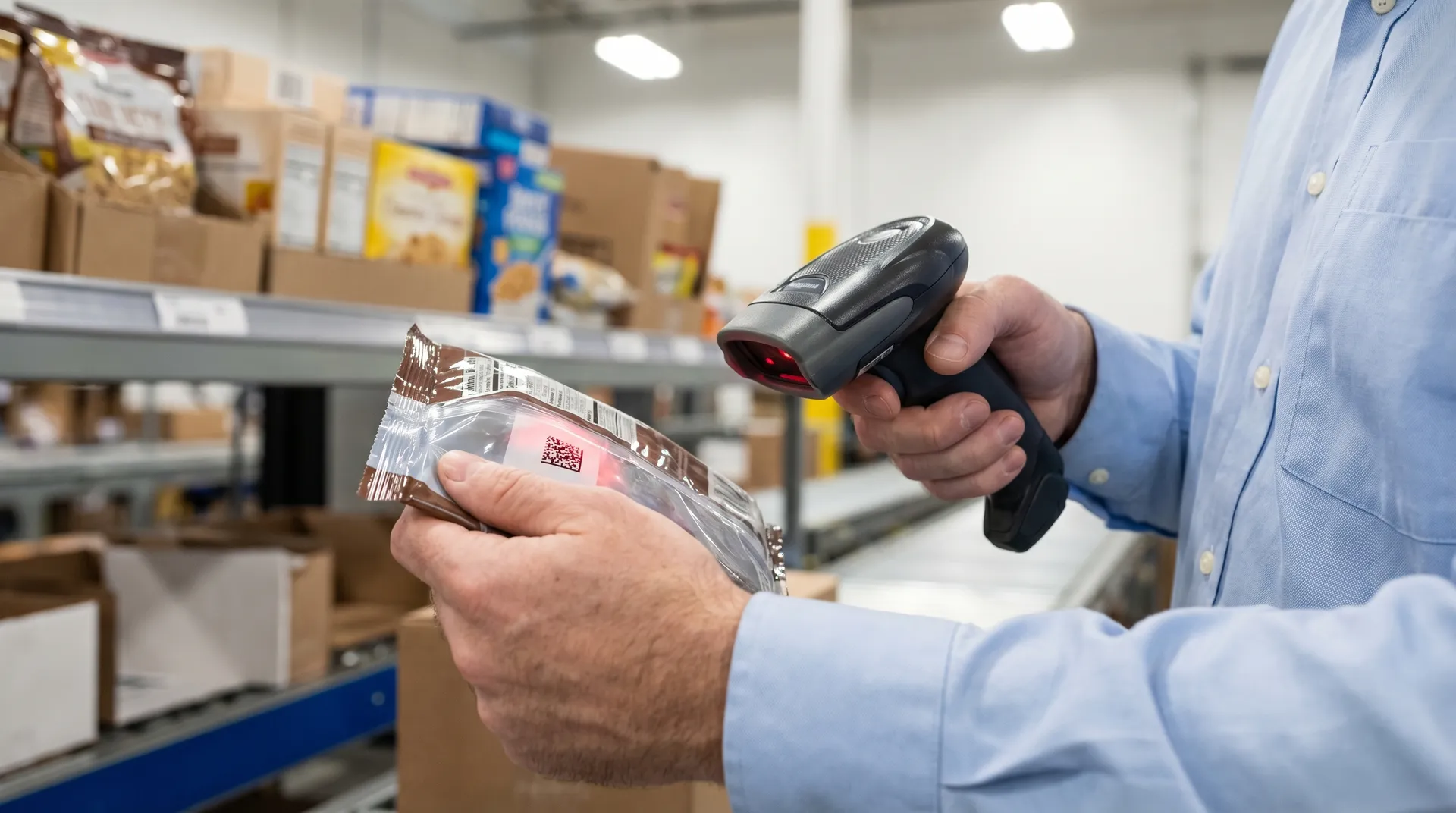
A separate opportunity opens up for marketplace trading on the Russia–Iran route. With increasing volumes, it makes sense to ship small shipments more frequently, which requires logistics to be more precise: fast consolidation, clear labeling, correct product codes, and control of certification and safety requirements. The better this contour is configured, the easier it is to scale sales without time lapses.
The goal of $30 billion by itself does not guarantee a result, but sets a clear vector for market participants. Companies that identify partners in advance, test routes, and standardize documents will feel more confident when the flow begins to grow and competition for capacity increases.