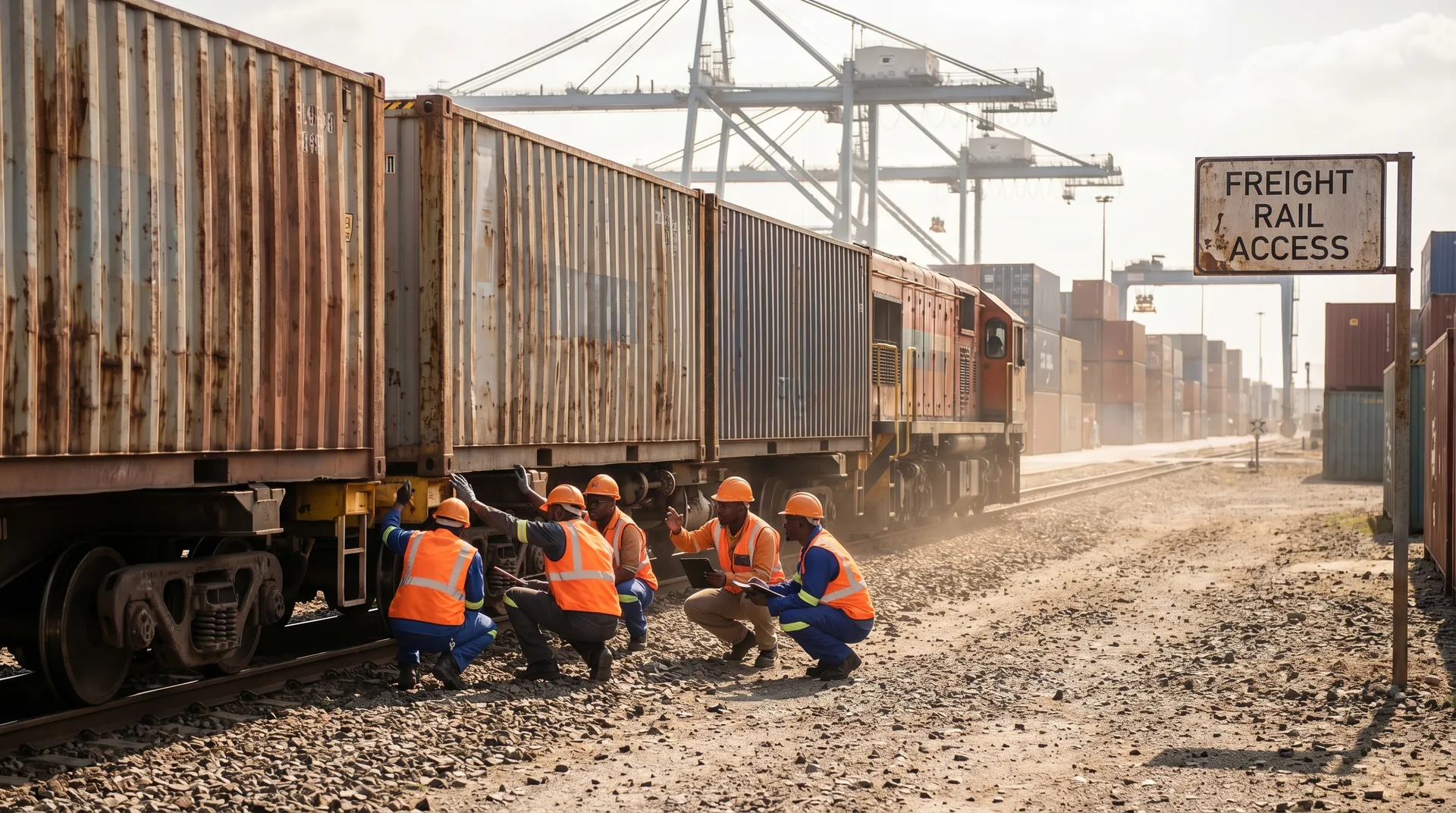
South Africa has approached a reform that the market has been waiting for for a long time: Transnet is preparing the admission of private train operators to the national network. Business Report calls this a step towards a greater role for the private sector and an attempt to remove chronic logistical bottlenecks that limited economic growth and hit industries tied to the railway.
Transnet CEO Michelle Phillips has publicly outlined the pace:
“You know that we are working quite fast to implement the reforms,” … “By April of this year, we are hoping to announce the new private train operating companies who will now be introduced onto the Transnet network. It’s history making. It’s the first time that we’ve done this since our existence.”
The meaning of the reform for the transportation market is that large cargo owners and private operators will be able to more actively participate in the transportation of raw materials and products over the network, reducing the burden on Transnet and adding competition in service. Phillips said bluntly:
“It’s very good that we’ve got private operators who will be able to also move commodities on the rail network.”
Transnet currently transports about 170 million tons, with a target of 250 million tons by 2029. At the same time, the company is preparing major projects for concession models, including a container corridor with a 25-year horizon, which it plans to bring to the market during the fiscal year.
For foreign economic activity specialists and store owners on marketplaces in other countries, this topic is interesting for a simple reason.: South Africa is Africa's export hub and an important point for imports. When the railway is operating intermittently, cargo owners switch to cars, the cost increases, ports receive “waves” of container arrivals, and delivery times become a lottery. Allowing private traders can make the corridors to ports smoother, which helps plan inventory and sales.
This creates a new market of services for carriers and forwarders: the integration of “private traction + port + warehouse”, window reservations, and service at the Zhelezka-terminal site. For foreign economic activity directors, it is an opportunity to recalculate the logistical mathematics of South Africa and establish the railway as a more reliable element of the chain if the reform goes from application to execution.