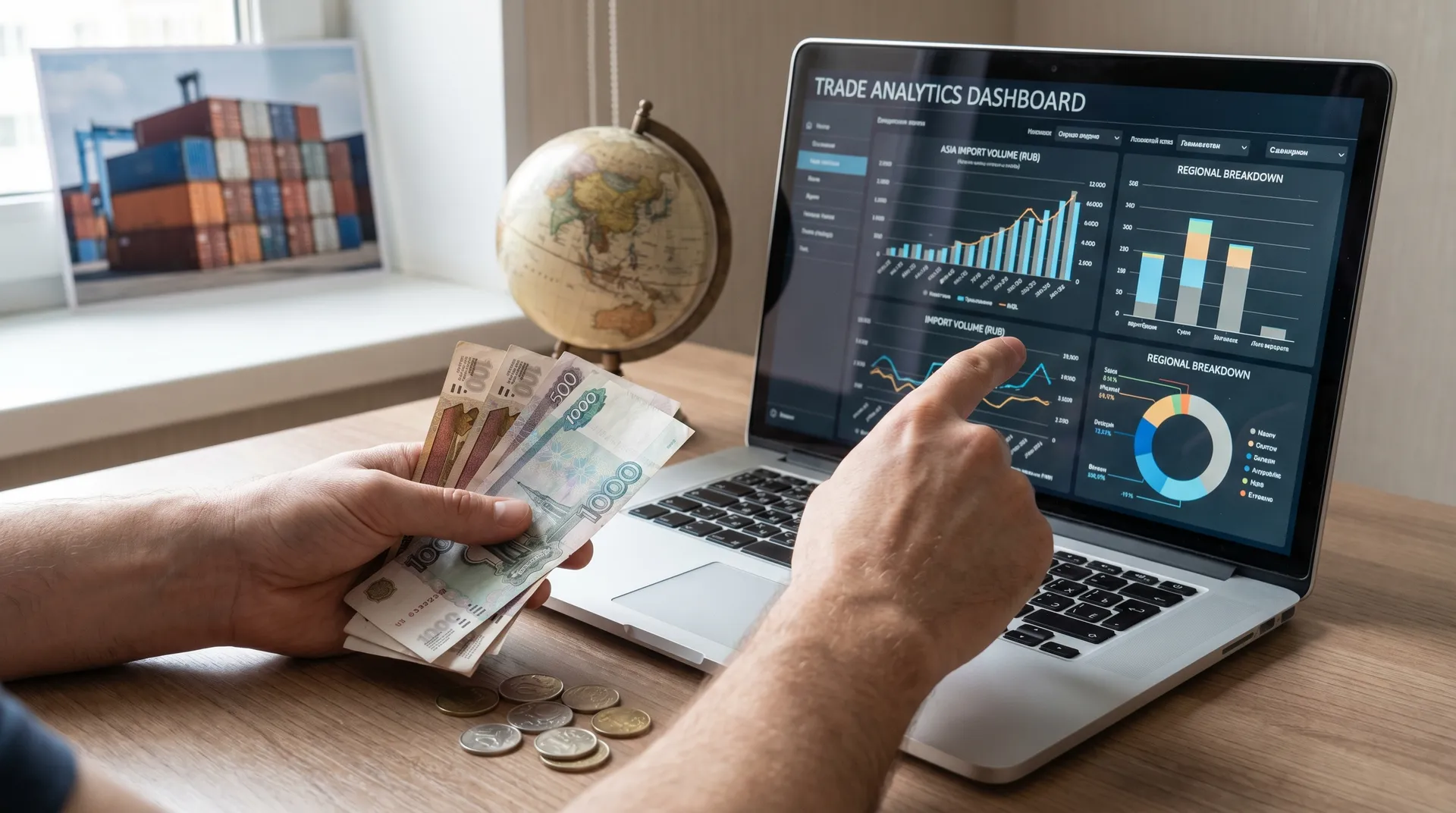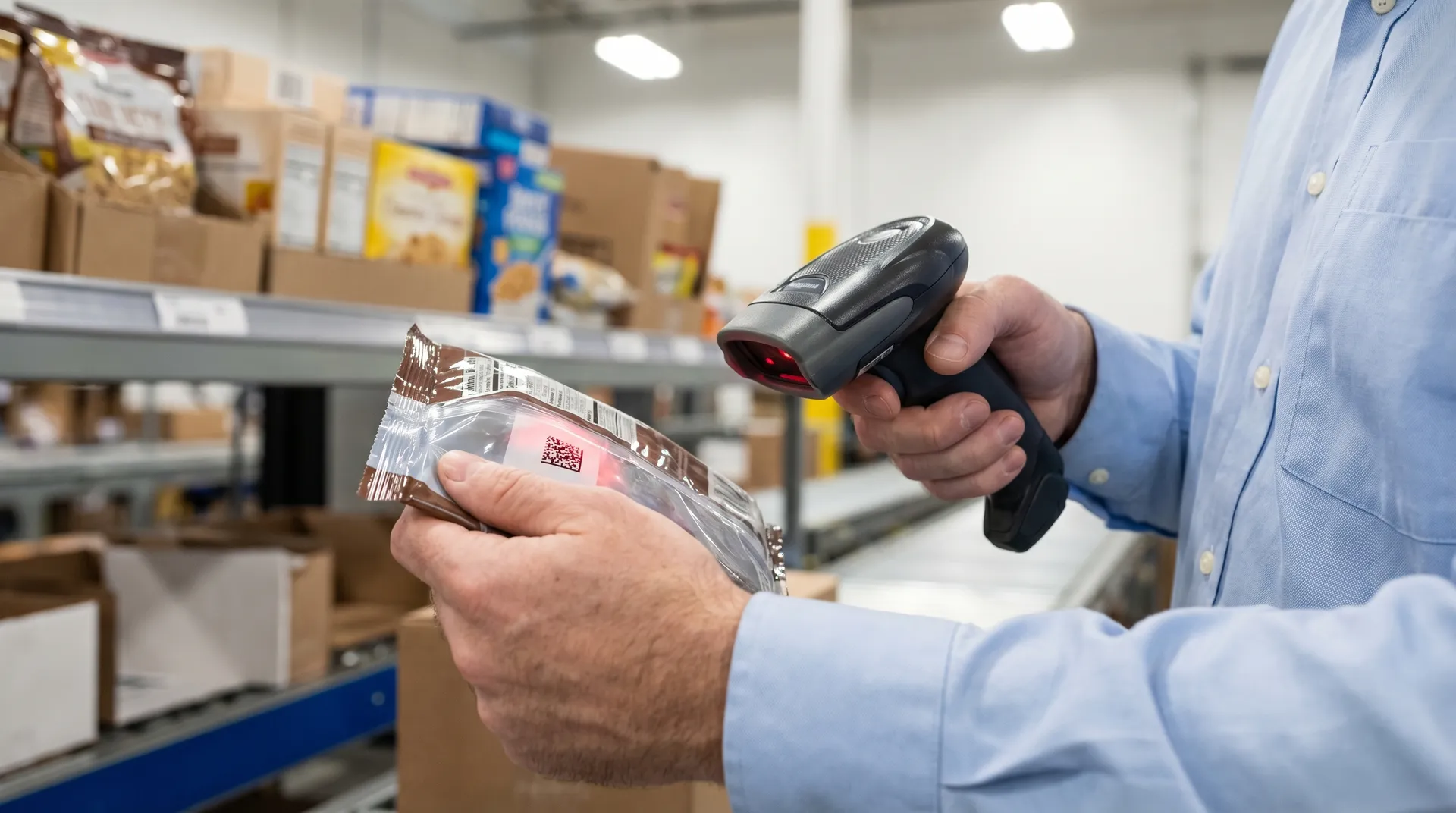
The Russian Food labeling circuit accelerates integration with government information systems so that quality and legality checks become automatic. The main goal is to cut off questionable goods even before they enter circulation, especially in remote trading channels, where there are many sellers and the supply rate is high.
A separate focus is on water: here, control is tied to licensing sources and comparing the origin with the data from the profile database.
"We are currently integrating with the Rosnedra information system in order to confirm exactly which well the water was produced from and whether this well had a license. The turnover of this water will be cut off if there is no license," Zaslavsky said.
For marketplaces, this means switching from manual spot checks to a mode where the product card and the batch actually "pull up" the supporting information from the registers. If the data does not match, it is more difficult for the product to get to the buyer: the probability of blocking, returning, or withdrawing from sale increases. The winners are suppliers whose documents are in order and the chain is transparent: they pass moderation faster, lose less at stops, and plan a warehouse easier.
The second layer is the unification of requirements. It is important for businesses that distance trading operates according to clear rules, and that security controls are comparable to offline retail.
"Our task, without stopping the development of these services, is to present similar approaches that we present to stationary trading. And with the development of distance trading, we will not lose the achievements that we have made in previous years regarding product quality," the senator said.
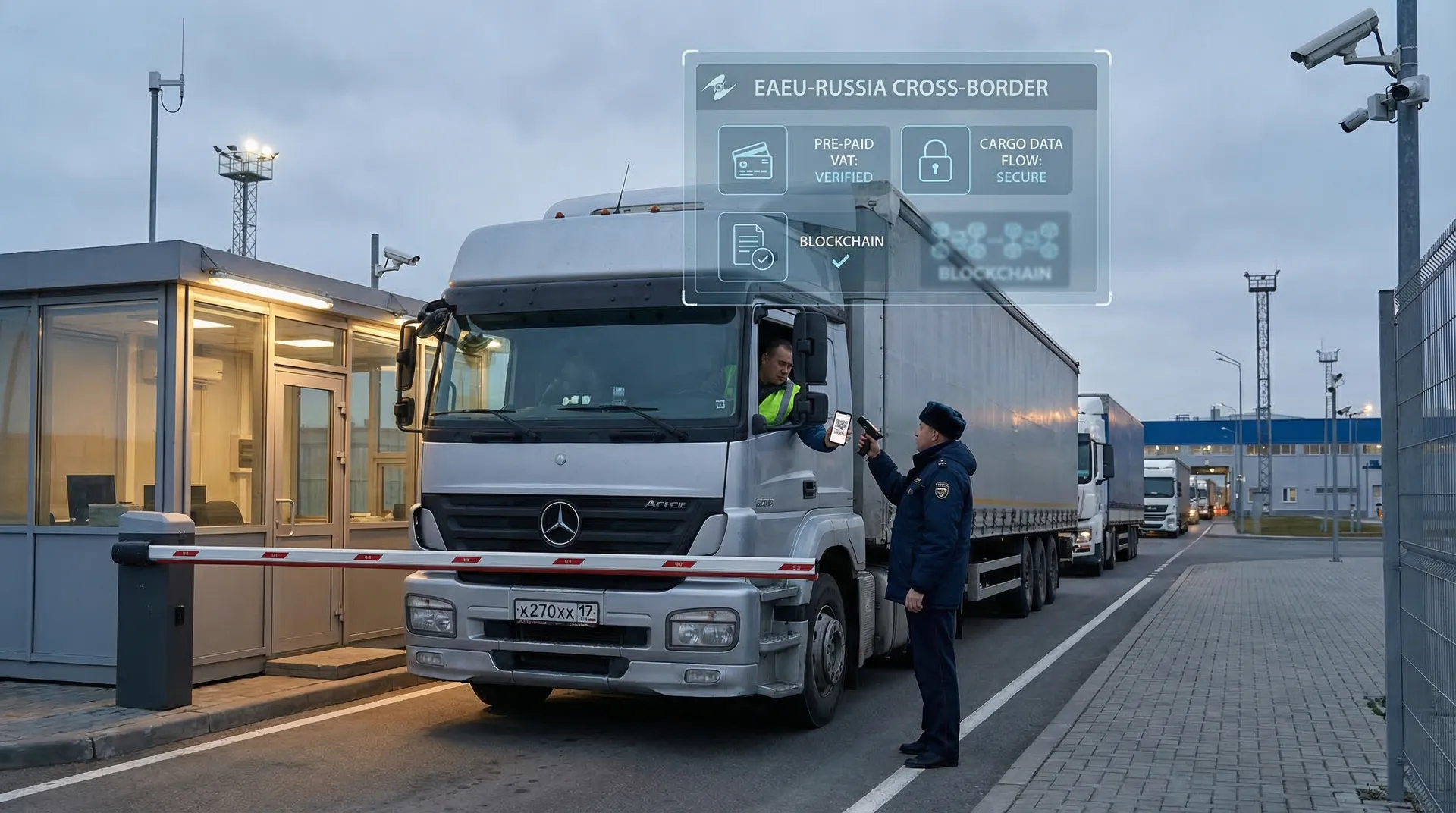
The practical effect for foreign economic activity and logistics is an increase in the importance of digital footprints: declaration numbers, certificates, correct labeling, linking the batch with the manufacturer and source of raw materials. An error in the details or a mismatch of data turns from a "paper problem" into an operational stop: the cargo may arrive at the warehouse, but not go on sale.
The demand for integration between the participants of the chain is increasing on the horizon: manufacturer — importer — 3PL marketplace. The fewer manual operations and data "reprinting", the lower the risk of blockages. This is a direct incentive for the market to invest in EDI, master data, and quality control at the entrance.