The Russian participants in the foreign economic activity have received a change that looks technical, but in practice affects the release of goods. Since April 1, 2026, replenishment of the customs unified personal account by third parties has actually stopped working in the usual way: when processing a payment document, the fields that for many years helped to “attach” the intermediary's payment to the obligation of a particular importer or exporter are no longer used.
The foundation is the order of the Ministry of Finance of Russia No. 58n dated May 16, 2025. The document explicitly states that the details "Actual payer", "INN of the actual payer", "CHECKPOINT of the actual payer" are not filled in.
As a result, customs sees the payer by INN as the only point of support: the write—off goes from one legal entity, and they try to make the transfer to another's ELS - and the system stops correctly identifying the destination. This leads to the risk that the money will end up in “unexplained” receipts or will be returned to the sender.
The risk group is clear. These are companies with a centralized treasury of the holding, structures with payment agents, brokerage schemes “we'll pay today, we'll deliver the documents tomorrow,” as well as businesses that are used to closing the shortage of advances with a quick transfer from a partner. Now, for a stable issue, you need to secure money in advance in the account of the owner of the ELS or build a legally correct model where an outside participant acts in an understandable role (for example, through the guarantor, where this is allowed).
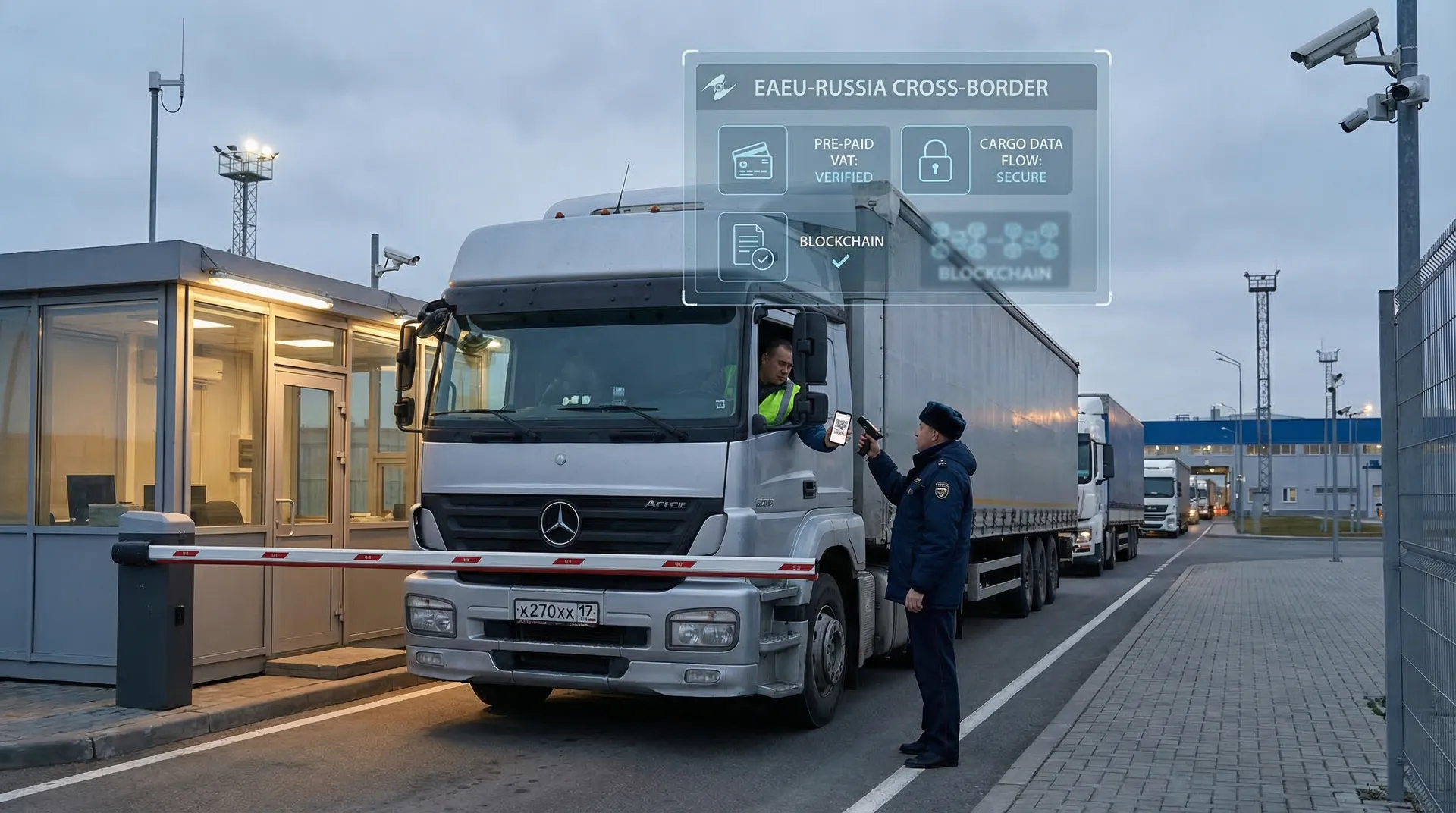
For an international audience — sellers on marketplaces and foreign economic activity specialists in other countries - this story is important as a case study of “how the state tightens the identification of payments.” In cross-border trade, money and documents always go their separate ways. When the regulator removes the fields for “gluing” a payment and an obligation, companies have to rebuild internal processes: from payment templates to SLA with a broker and supply financing rules.