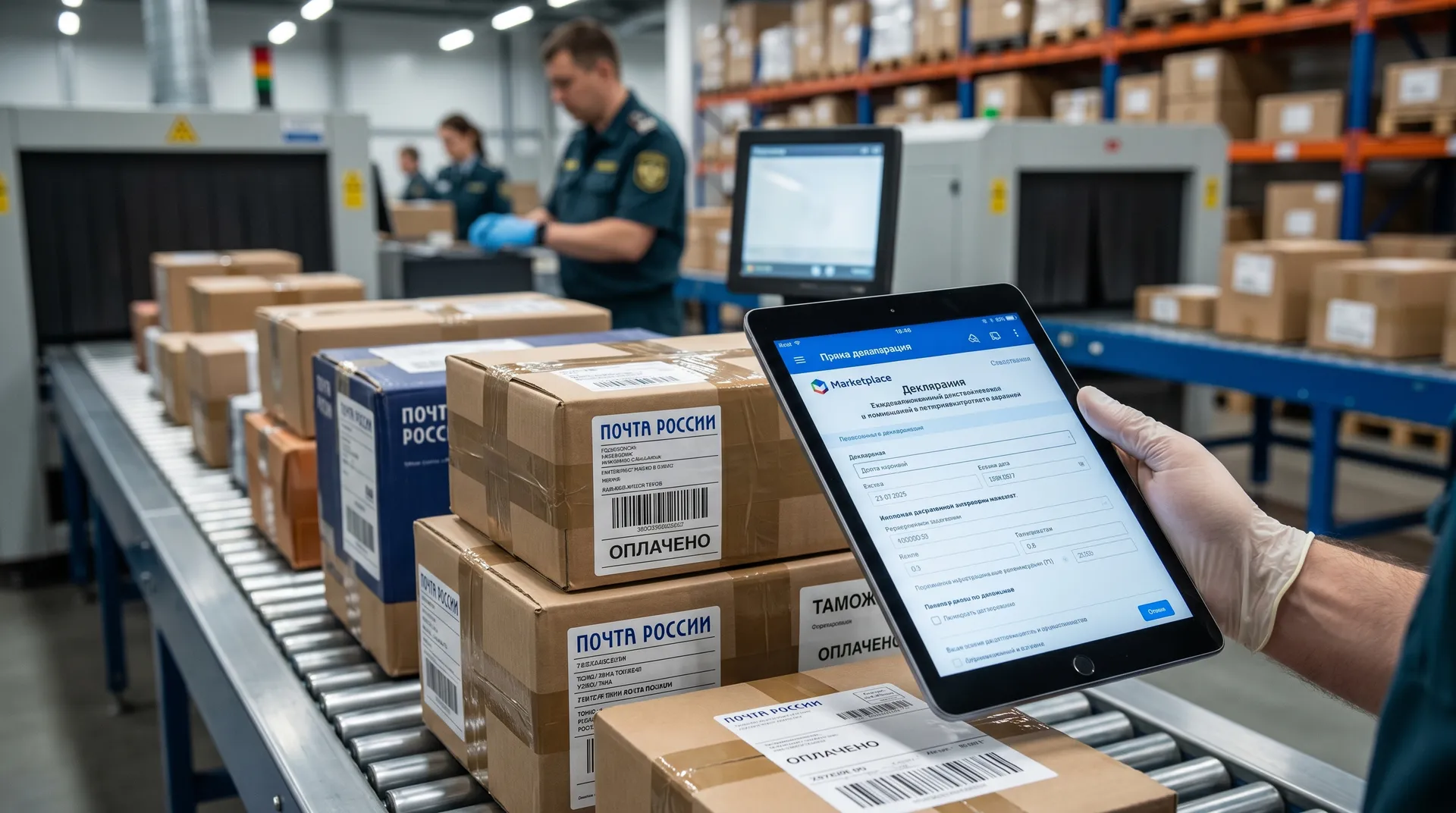
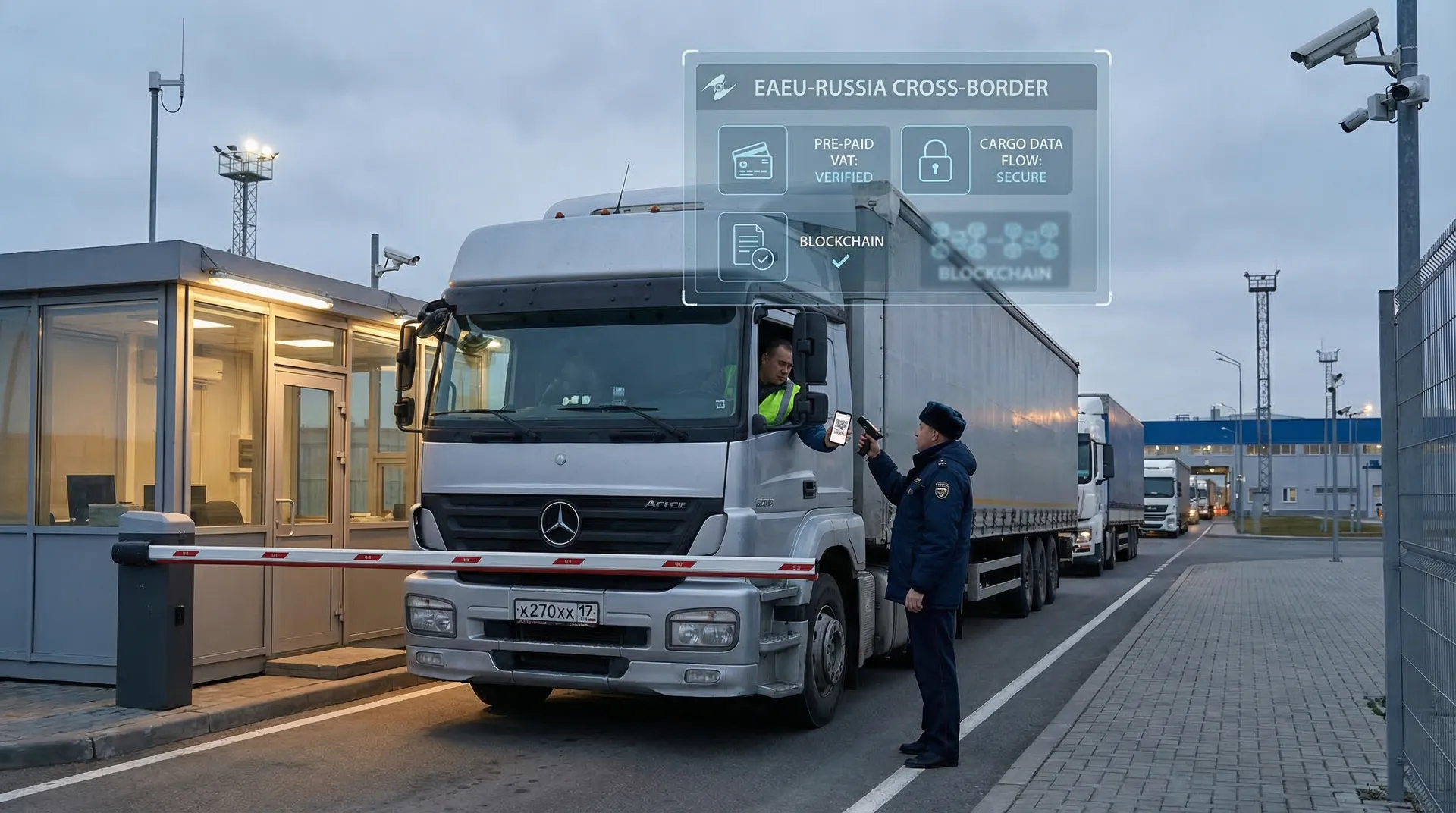
Starting from April 20, 2026, an experiment began in Russia to defer payment of import VAT on imports of goods from non-EAEU countries. The new mechanism is being introduced by presidential decree and is designed until June 30, 2027 inclusive. Its essence is that the tax can be paid not in advance before filing a declaration, as it is now, but for up to three months after the release of goods into free circulation. No interest is charged for such a deferral.
We are talking specifically about imports from third countries. Shipments from the EAEU member states are not subject to the new procedure, since VAT on such goods is transferred through the tax authorities, and not through customs. This is an important clarification for the foreign trade business: the measure is aimed at companies that work with China, Turkey, India, Southeast Asian countries and other foreign markets outside the Union.
Participation in the experiment is not open to everyone. It is available only to Russian legal entities that are included in the register of authorized economic operators or are included in the list of backbone organizations. However, status alone is not enough. A separate decision on granting a deferral is required, as well as compliance with a number of conditions. Among them are the general taxation regime, the absence of overdue customs payments and fines, the absence of bankruptcy cases and participation in an experiment to monitor information from accounting systems for goods.
The key condition is the availability of general collateral for the amount of deferred VAT. This can be a cash deposit or a bank guarantee. It is impossible to enter the experiment without such software. It is this point that shows that the measure is designed primarily for large, financially stable importers with transparent accounting and established relations with customs and banks.
For businesses, the main importance of the initiative is related to working capital. In the usual scheme, the importer must freeze a significant amount of VAT in advance before the product is released. In the new model, part of this load is shifted to a later date. For companies with large volumes of supplies, this means more flexible liquidity management, lower cash pressure at the import stage, and the ability to quickly channel funds into procurement, logistics, and inventory. The right to deduct VAT remains in the general order.
A separate block of restrictions concerns the subsequent sale of such goods. They can only be sold to individuals who are not sole proprietors, or to legal entities under the general taxation regime. Sales to companies and entrepreneurs in special modes, including USN and USN, are not allowed under this mechanism. If the customs control after the release reveals a violation of this condition, the deferral will be cancelled from the date of release of the goods. This will result in arrears, penalties, and possible punitive consequences.
In practical terms, the experiment will be a test for a new model of customs and tax administration. The government will check whether it is possible to mitigate the burden on large imports without loss to collection of payments. The business, in turn, will assess how realistic it is to use the measure, taking into account all filters and security requirements. By August 30, 2027, the Ministry of Finance and the Federal Customs Service must submit a report on the results of the experiment. After that, the authorities will decide whether to extend the measure, complete it, or make it permanent.