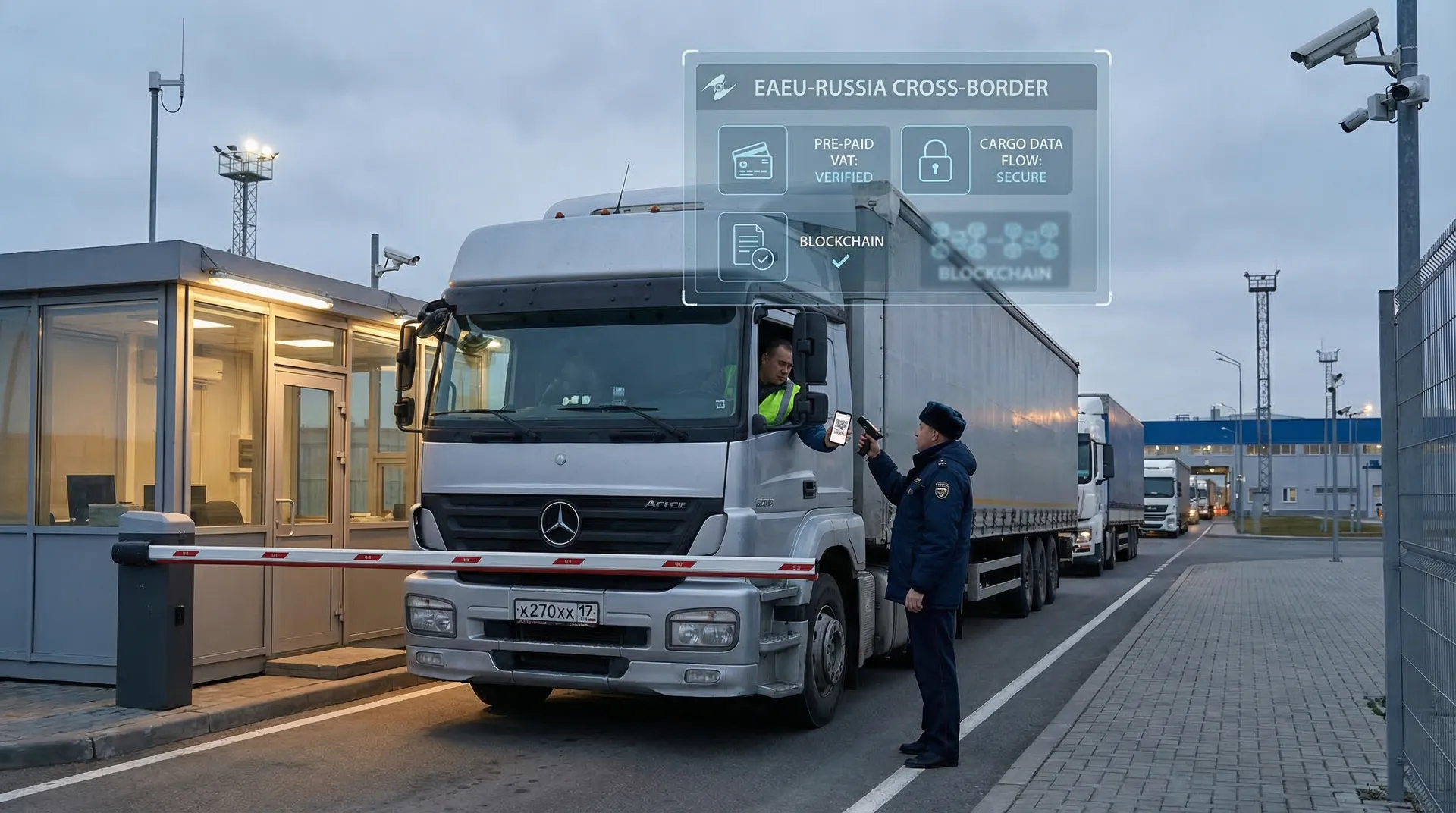
Belarus is one of Russia's largest trading partners within the EAEU. It is through the Belarusian-Russian border that significant volumes of road transport are carried out, which are the first to fall under the action of SPOT. Therefore, Minsk's reaction to the new system is not a formality, but a signal with practical consequences for business.
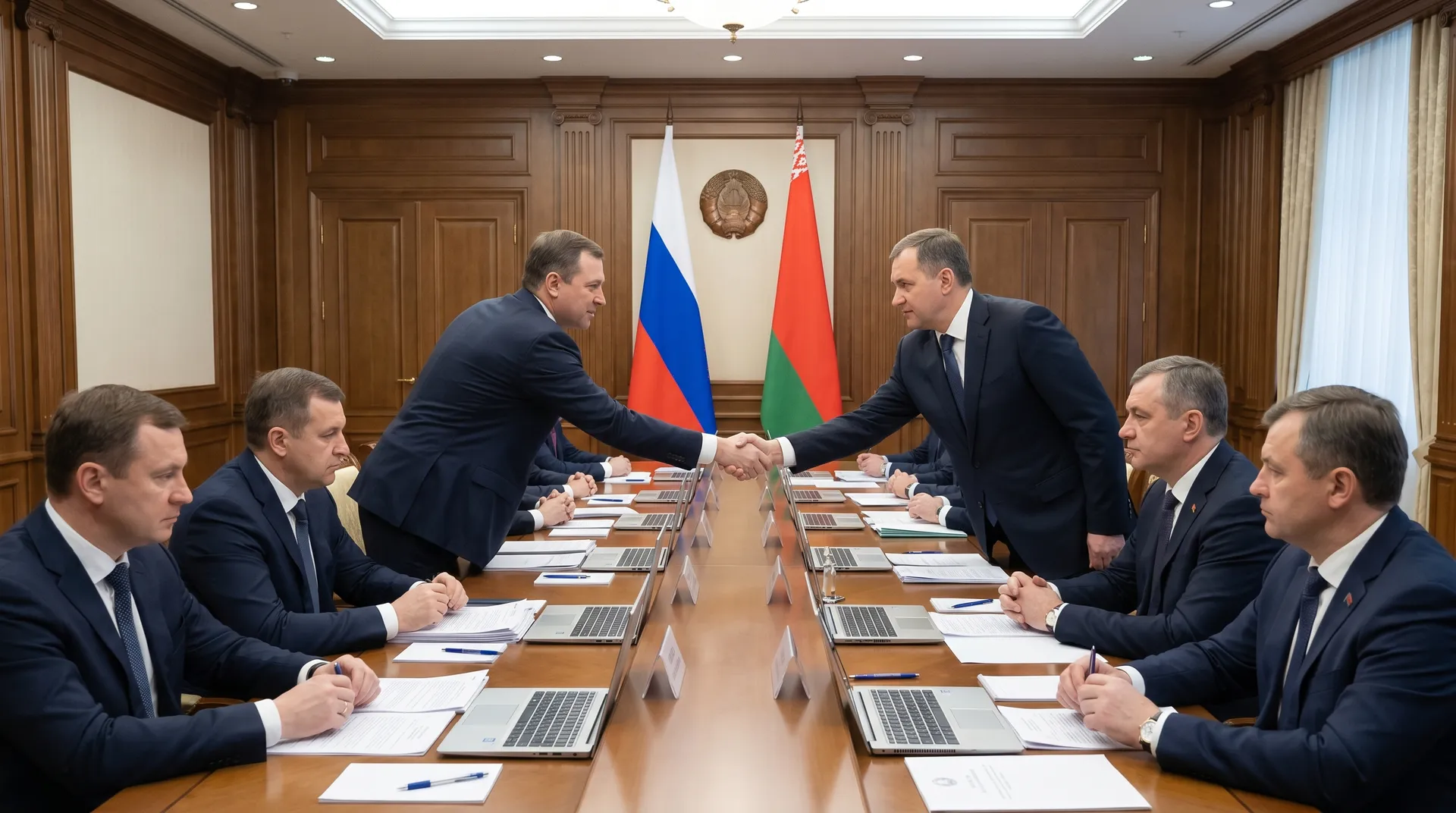
On April 20, it became known that the parties agreed to create a working group to jointly finalize the SPOT mechanisms. The Belarusian side has set a condition: the system should be organically integrated into the existing mechanisms of control and traceability of goods, and not create additional administrative barriers.
For Russian companies working with Belarusian suppliers, this means several things. Firstly, the SPOT procedures will be coordinated with the Belarusian side, which means that the requirements for documents and deadlines can be adjusted even before the start of the mandatory regime on July 1. Secondly, the presence of a working group reduces the risk that the system in its current form will create hard stops at the border.
In parallel, the same agenda concerns Kazakhstan and other EAEU partners. The SPOT law, adopted on April 20, provides for a transition period until May 31, during which time the working group should develop agreed mechanisms.
Businesses working with Belarusian suppliers should follow the conclusions of the working group: they will directly determine what the procedure for submitting an additional payment and calculating a security payment for Belarusian supplies will look like.