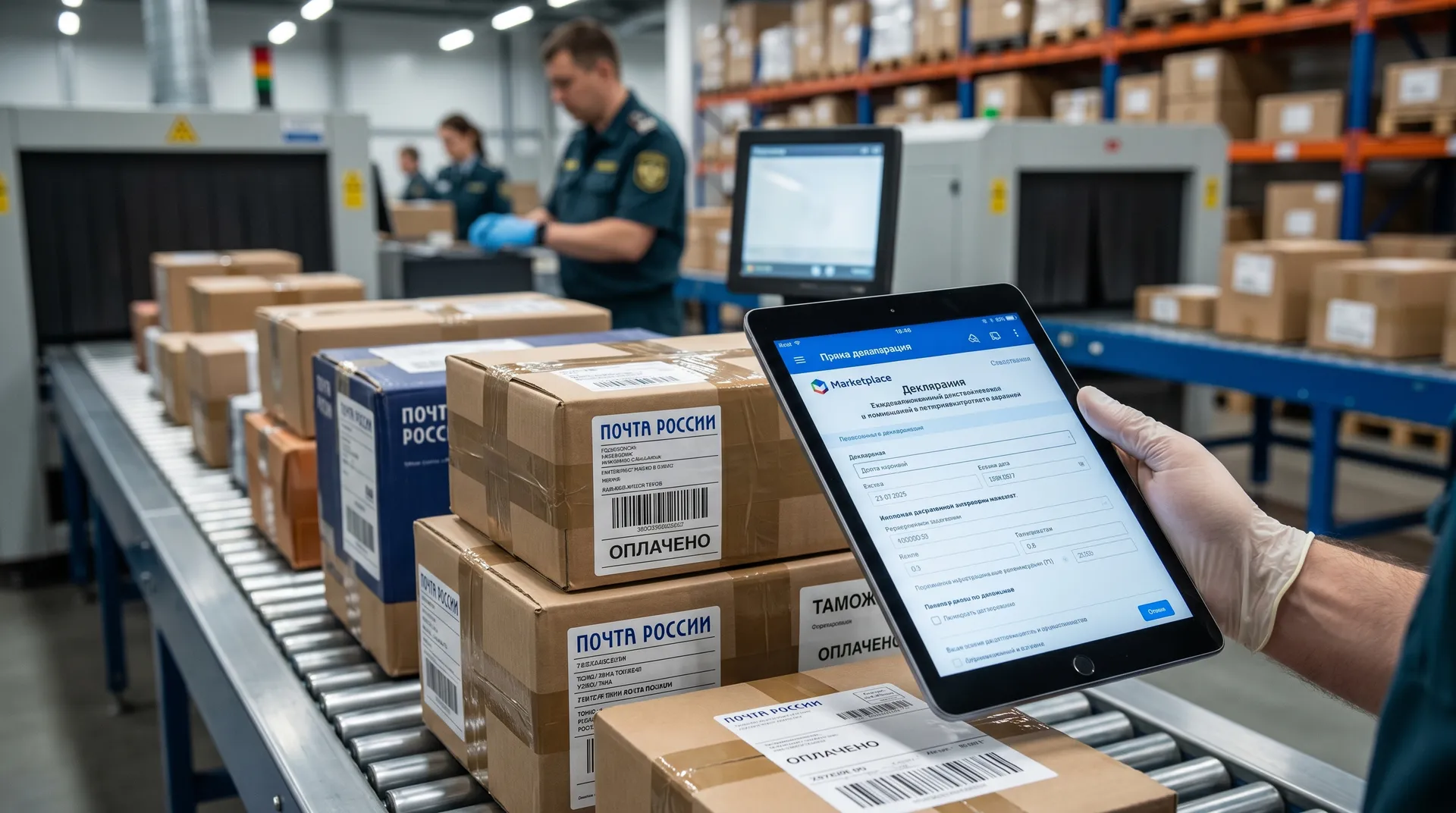
The Ministry of Economic Development has proposed to introduce preferential VAT for socially important goods that enter Russia through cross-border electronic commerce. We are talking about orders on foreign sites where children's goods, certain product categories, medical devices, books and other products with a reduced social tax burden are sold in the domestic market. According to the agency's proposal, the rate for such an import category may be 3% in 2027, 6% in 2028 and 10% from 2029.
The initiative appeared as a response to the discussed project of phased introduction of VAT on goods from third countries sold through marketplaces. The current design for conventional cross-border e-commerce discusses a rate of 7% from 2027, 14% from 2028, and a transition to a generally fixed rate of 22% from 2029. Against this background, the Ministry of Economic Development proposes to put social positions in a separate mode in order to prevent sharp price pressure on sensitive categories of goods.
The logic of the proposal is based on Russia's foreign trade obligations. The letter from Deputy Minister Tatyana Ilyushnikova explicitly states: "Such discrimination of imported goods in comparison with domestic ones will violate the international obligations of the Russian Federation." This argument is based on existing agreements with a number of countries and general principles of non-discriminatory market access. On a business level, the dispute concerns not only tax technology, but also the terms of international trade in the online import segment.
This decision may be an important compromise for the market. Cross-border online commerce has long been embedded in the supply chain of small businesses and the consumer sector. Inexpensive components, consumables, some medical products, books, and consumer goods enter the country through foreign platforms. A sharp increase in the tax burden in this channel will almost inevitably lead to an increase in the final price and a decrease in the volume of orders. This is also pointed out by industry participants, who warn of the risk of market compression if the scenario is too harsh.
A separate issue is related to administration. The Ministry of Economic Development believes that foreign sellers should retain the possibility of VAT exemption on certain grounds if such regimes are already in effect for some goods, including some medical devices. The Ministry of Finance, for its part, points out the risk of complicating the procedure and creating additional disputes with tax and customs authorities when differentiating rates. This means that the final model will still be subject to rigorous interagency configuration.
If the preferential treatment for social imported goods is approved, the sites will have to reconfigure product cards, tax algorithms, the system of supporting documents and routes of interaction with customs. For buyers, the result will be expressed primarily in price. For business, the rules of importation, taxation and a competitive model of cross—border trade for the coming years.