Imports from Belarus, Kazakhstan, Armenia and Kyrgyzstan now operate under new rules. On April 20, the President signed a law on the launch of a national system for confirming the expectation of delivery of goods — SPOT. Full-fledged operation of the system will start on July 1, 2026, but a transition period with simplified requirements will be introduced from June 1.
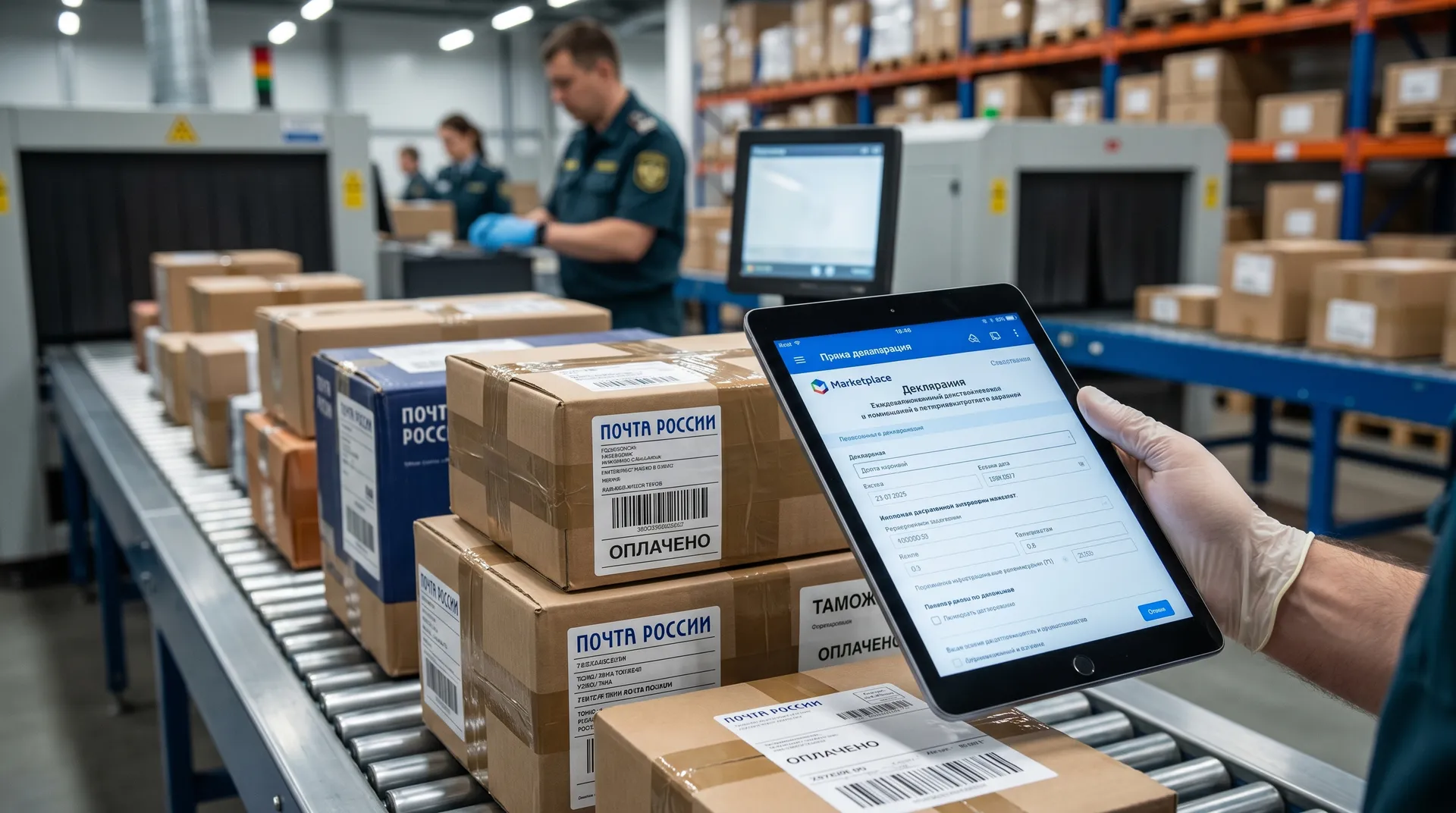
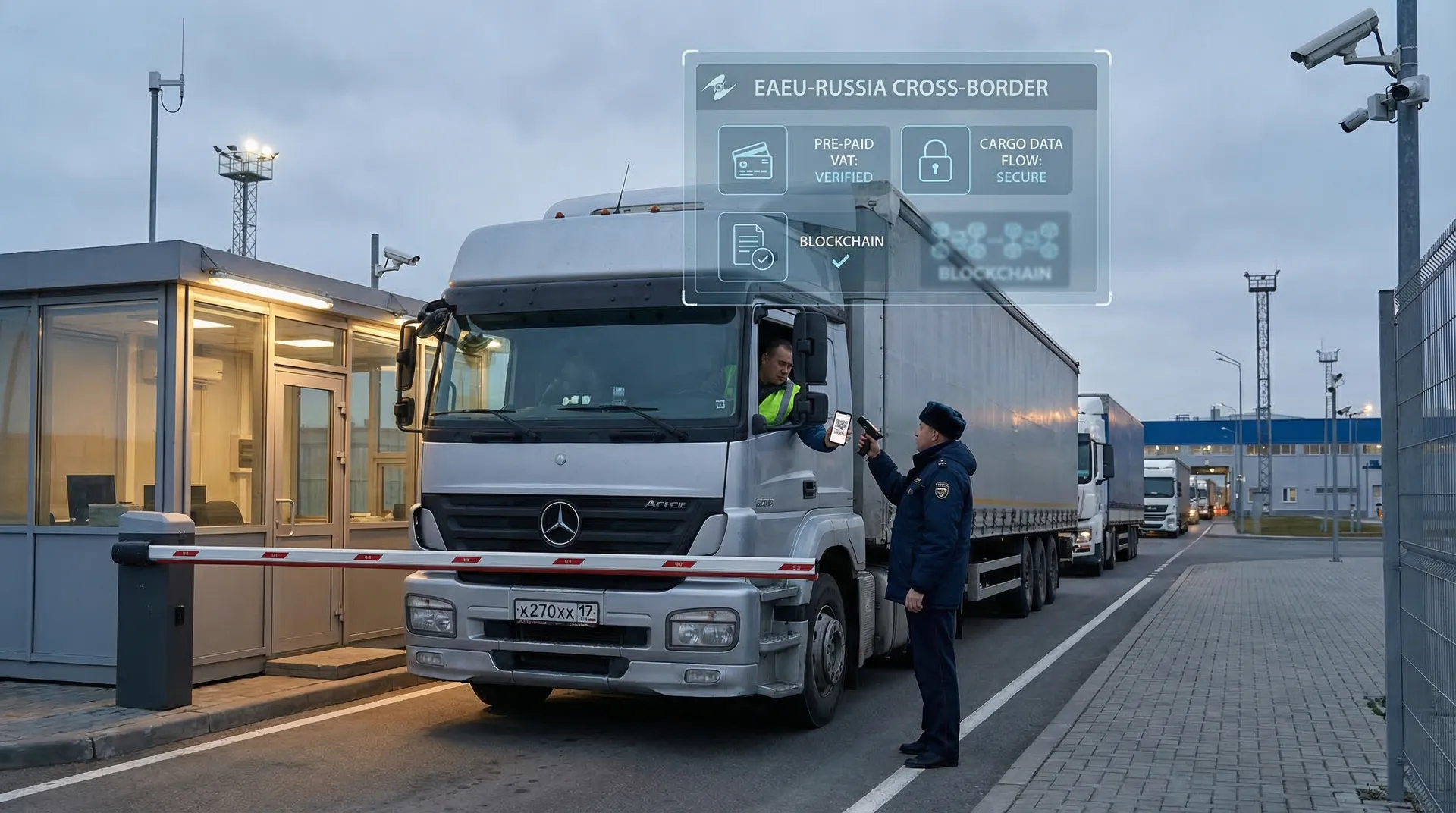
The logic of the system is simple: first you pay and notify, then you take it. Until now, the control was carried out after the fact, after the goods were imported. Now the importer is obliged to submit a document on the upcoming delivery — the DPP — two days before crossing the border, transfer the security payment to VAT and excise taxes, and only after that receive a QR code. The driver will not enter the border without it.
The scheme only affects road transport. Railways and aviation will fall under the SPOT no earlier than 2027.
There are categories that the system does not apply to: the largest taxpayers, tax monitoring companies, SEZ residents, as well as goods imported by individuals for personal needs.
The government speaks directly about the goal — to whitewash imports and close schemes with low customs value through the EAEU. The Ministry of Finance estimates that the system will bring up to 150 billion rubles a year to the budget starting in 2028.
For businesses, this means reviewing financial logistics: a security payment freezes working capital for the period between shipment and completion of delivery. With regular deliveries from Belarus or Kazakhstan, this is a constant burden on the cash flow. Companies should recalculate their financial model now, taking into account the advance payment of taxes.
There is a transition period until May 31: labeling and confirmation of the origin of the goods can be issued after importation into Russia. Use this time to test the processes without penalty consequences — the Federal Tax Service is testing the system on a voluntary basis until June 29.