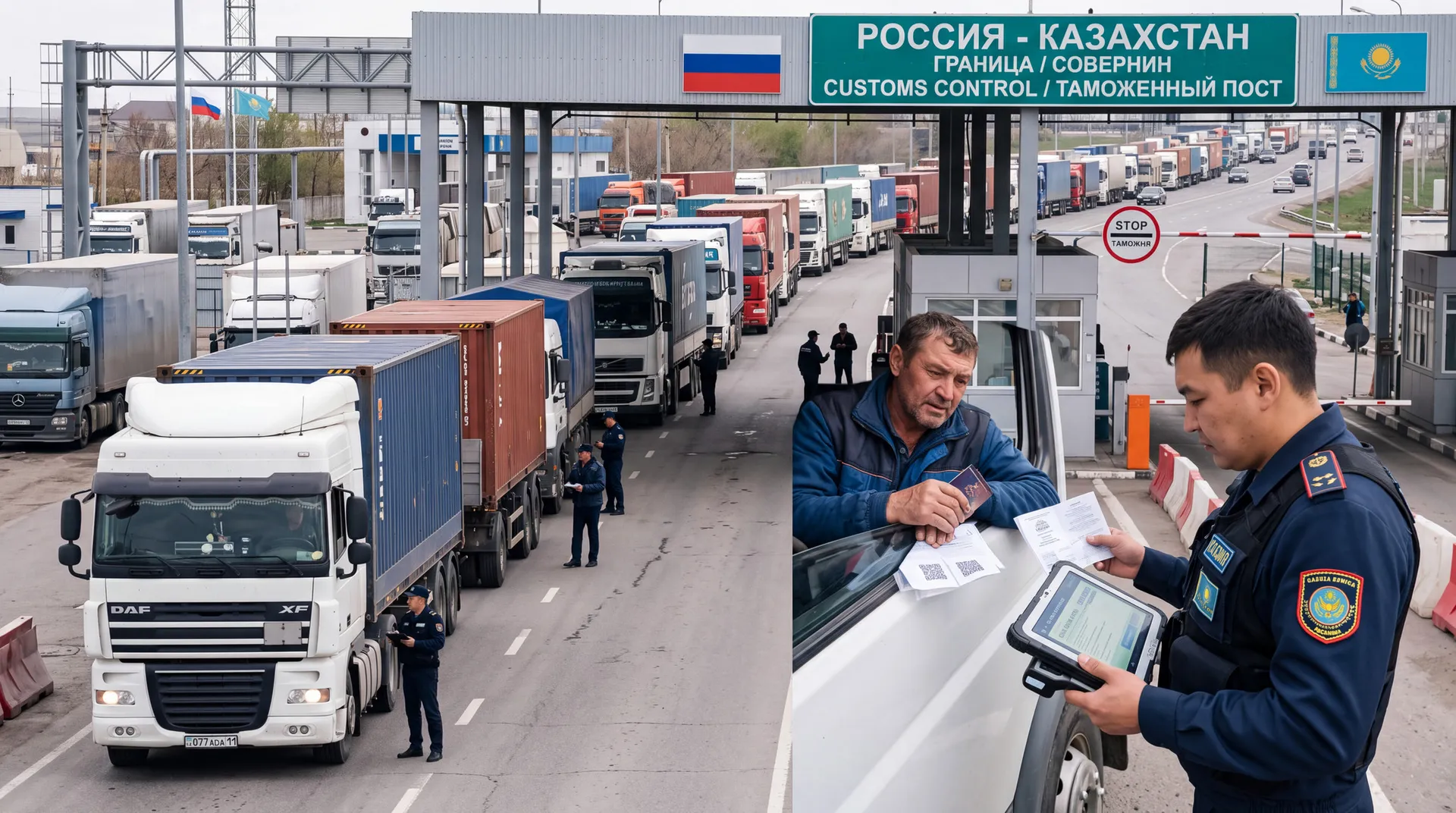
The Eastern direction holds the leadership among the five main international transport corridors of Russia. According to the results of January–March 2026, export-import traffic here increased by 9% year—on-year, as confirmed by the meeting on transport corridors held on April 20.
At the same time, the participants discussed the updated forecast of cargo flows until 2030 and 2036. Measures to increase the competitiveness of routes passing through the territory of Russia were considered separately.
The 9% figure is not just a statistic. This is a confirmation of a trend that ran counter to the forecasts of the pessimists three years ago. After the reorientation of trade from West to East, volumes along the eastern corridors grew in spurts. Now the growth is steady and predictable.
The context is important: 57% of all Russian exports in 2025 went to the BRICS countries, said Oleg Belozerov, head of Russian Railways, in early April. The Eastern Corridor is a highway through which more than half of the Russian foreign trade cargo flows.
For businesses building supply chains with China, India, or Southeast Asian countries, these figures mean one thing: infrastructure and demand in the eastern direction are growing, routes are becoming more predictable, and competition among carriers is higher. Freight rates and transit times will continue to change.
The next guideline is the forecast until 2036, which will give an understanding of which corridors the government plans to invest infrastructure money in. For logistics companies and importers, this is a direct signal of where to build long-term partnerships.