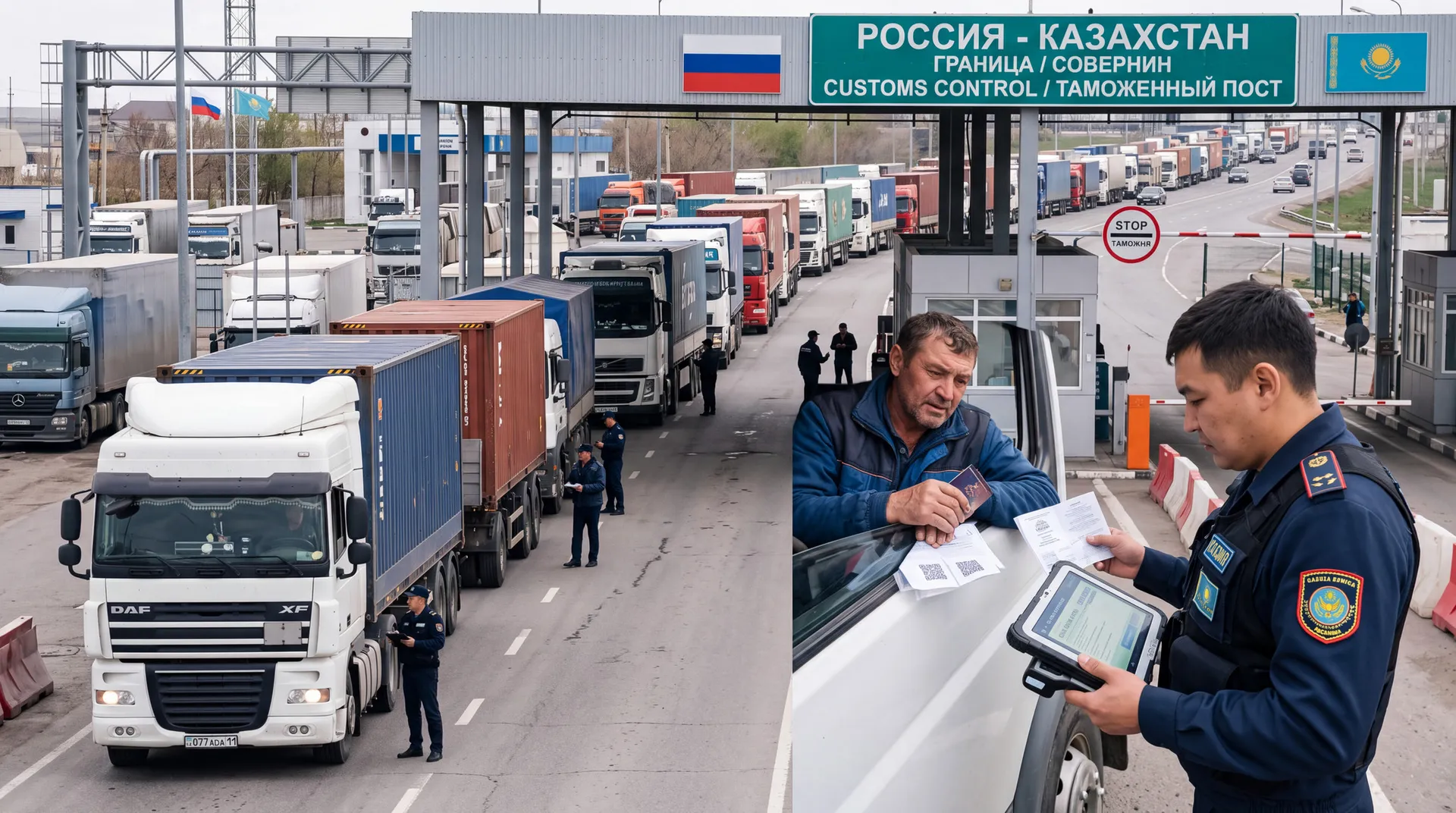
Three months without paying import VAT — this opportunity was given to Russian importers as part of a new experiment that started on April 20, 2026. The deferral is interest-free and applies to goods imported from non-EAEU countries.
Companies of two categories can participate: authorized economic operators (AEO) and organizations from the list of backbone enterprises of the Russian economy. For the rest of the business, access is still closed — the experiment is testing the mechanism on reliable, proven market participants.
The essence of the tool: VAT on importation can not be paid immediately at customs, but paid within three months after the release of the goods. For companies with regular supplies and large shipments, this is real money in circulation, especially in conditions of a high key rate, when every ruble of working capital is expensive.
In parallel, the government is working to expand the circle of participants. If the experiment shows manageable tax risks, the mechanism can be extended more widely. In the meantime, companies outside the perimeter should monitor the development of the initiative — potentially it is one of the most tangible tools to reduce the burden on import logistics.
An important context: the VAT deferral appears simultaneously with the introduction of a security payment for SPOT imports from the EAEU. On the one hand, the government is tightening control, on the other hand, it is giving large bona fide businesses the financial tools to operate in the new environment.