Russia is centralizing the classification of goods: from January 1, 2026, all decisions will be made through a single federal center.
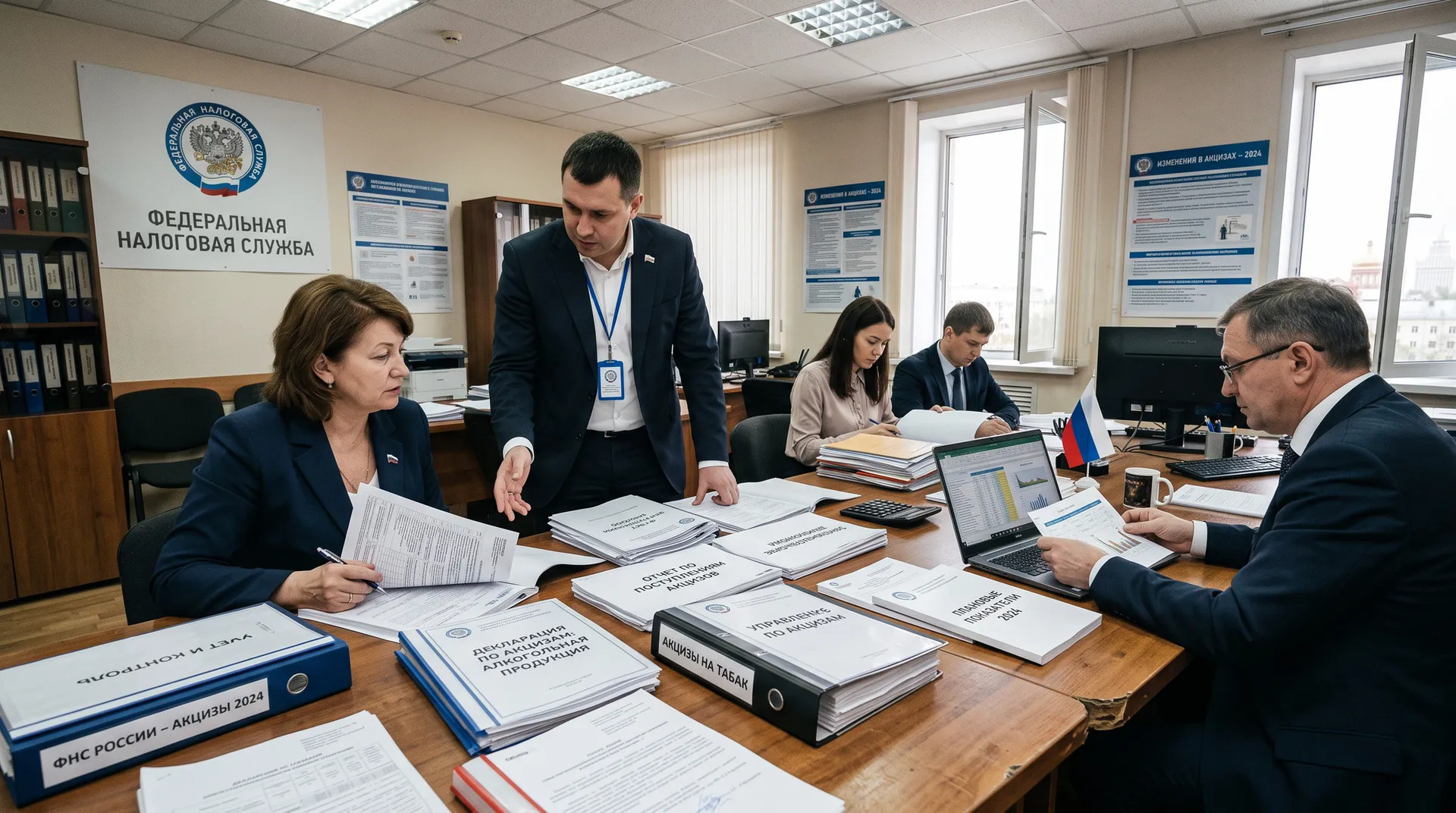
On January 1, 2026, a new unified Center for preliminary decisions on the classification of goods, located on the basis of the Central Customs Administration, will begin operating in Russia. This will be one of the key stages of the reform in the field of customs administration, aimed at eliminating discrepancies between regional practices and the transition to full digitalization of public services. The relevant changes are fixed by Government Decree No. 3213-r dated November 10, 2025.
Currently, decisions on the classification of goods are made by various regional administrations, which often leads to heterogeneity of approaches. Centralization is designed to align practice and form a single standard. The document emphasizes that applications submitted before December 31, 2025, will continue to be considered by regional customs structures — this will avoid disruptions during the transition to the new system.
Starting from November 27, 2025, it is mandatory to submit applications exclusively in electronic form. You can no longer use paper formats. The transition period will end with the launch of the service in the Personal Account of the participant of foreign economic activity and the integration of Public Services. This solution is in line with the overall digital strategy of the Federal Customs Service and is aimed at reducing the processing time of applications, reducing the failure rate and increasing the predictability of results.
Analysts note that the new model is capable of improving the quality of customs administration, however, at the first stage there may be risks: an increase in the burden on the CTU, the need to restructure the IT circuits of foreign trade participants and the gradual adaptation of business to electronic schemes. At the same time, the reformers are confident that as early as 2026, the classification procedure will become noticeably faster, and the number of disputes will be lower.
In parallel, the FCS is preparing the infrastructure, increasing the level of automation within the services. Experts believe that a centralized approach will allow the system to be further scaled to related areas, such as preliminary decisions on origin or cost. In the context of increasing control over import flows, a unified classification will become an important element in reducing customs risks and increasing transparency of turnover.