Double—digit growth year after year is what made Wildberries and Ozon symbols of Russian e-commerce. 2026 changes the picture. Not because the platforms are weakening, but because the market has matured.
Numbers that speak for themselves
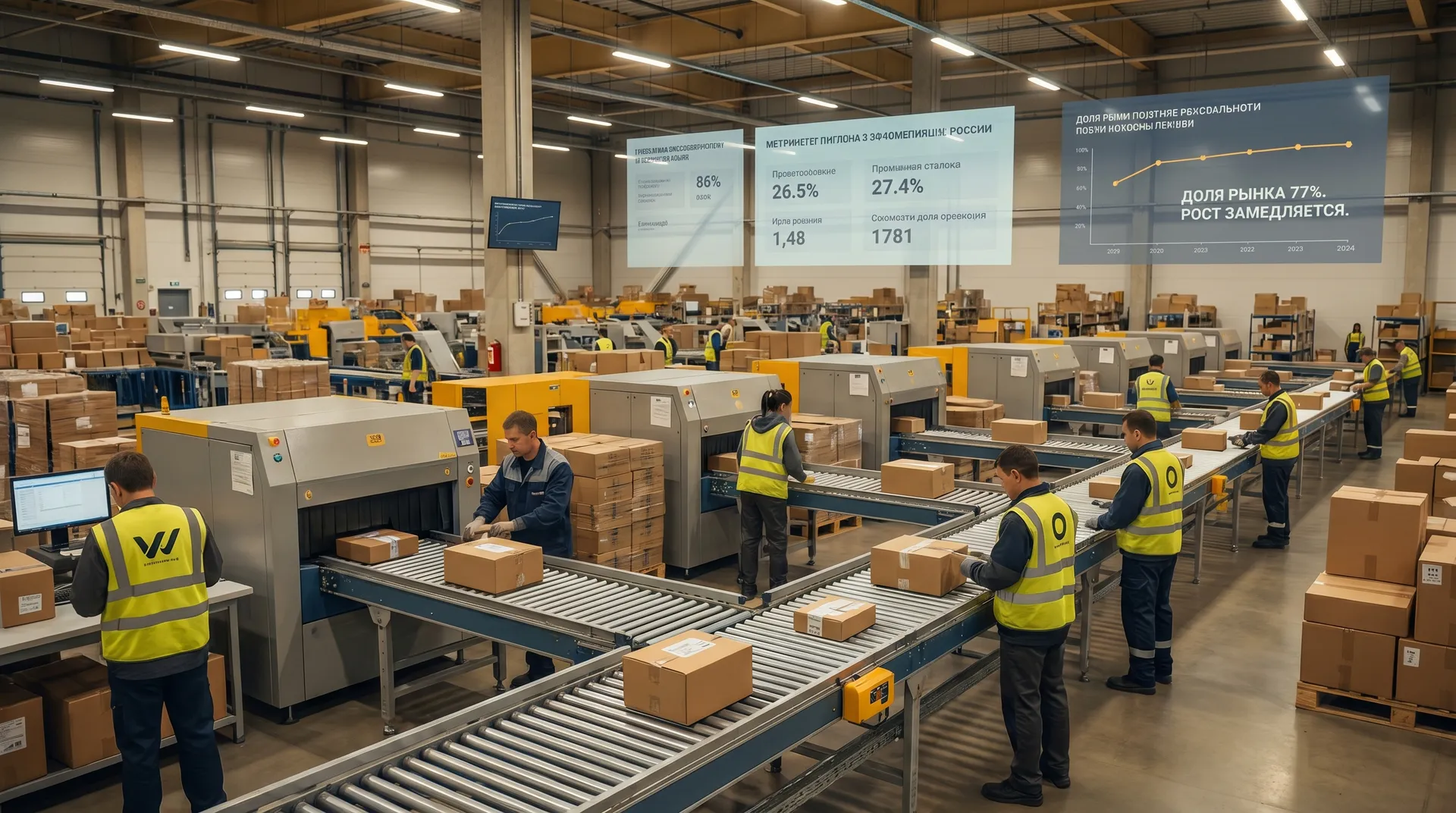
According to Euler's forecast, the distribution of shares by the end of 2026 looks like this: Wildberries occupies about 45% of the online trading market, Ozon — about 32%, a total of 77%. The remaining 23% is shared by all other players — Sberbank, Yandex Market, and niche sites.
Halving the growth rate is not a disaster. The online trading market in Russia is still growing. It's just that growth is now achieved through competition within the market, rather than through the flow of customers from offline to online.
Where Marketplaces are looking for new growth
There are three areas that analysts and the platforms themselves call.
- The first is international expansion. Wildberries has already launched a pilot for exporting Russian goods to China via a B2B platform with Ecomday in Hangzhou. In parallel, access to the markets of the UAE, Kazakhstan, and Uzbekistan is being worked out. Ozon develops business in Belarus and Azerbaijan.
- The second is fintech and services. Ozon Bank is increasing lending to sellers and buyers. Wildberries has been actively developing advertising services since the merger with Russ. Monetization of consumer behavior data becomes a separate product.
- The third is new categories. Food, pharmaceuticals, and services are segments in which marketplaces are minimally present, but the market volume is huge.
What does this mean for sellers
The slowdown in growth is changing the negotiating position. When the platform was growing by 50% per year, the conditions for sellers were dictated by the marketplace. The situation is different now: retaining a quality supplier is more important than before.
At the same time, commissions are growing — Ozon raised them to 50-55% in certain categories in April 2026. This is a contradictory trend: an increase in fees with a slowdown in volume growth. For sellers, there is direct pressure on margins.
For importers building businesses on marketplaces, the conclusion is the same: the diversification of sales channels is no longer a "good idea" and becomes a necessity. Our own website, regional distributors, and export through the WB infrastructure are all more profitable than 100% dependence on a single platform.