The Yellow River Dam as an assembly point: a report from Sanmenxia on a new stage of cooperation between Russia and China in BRICS
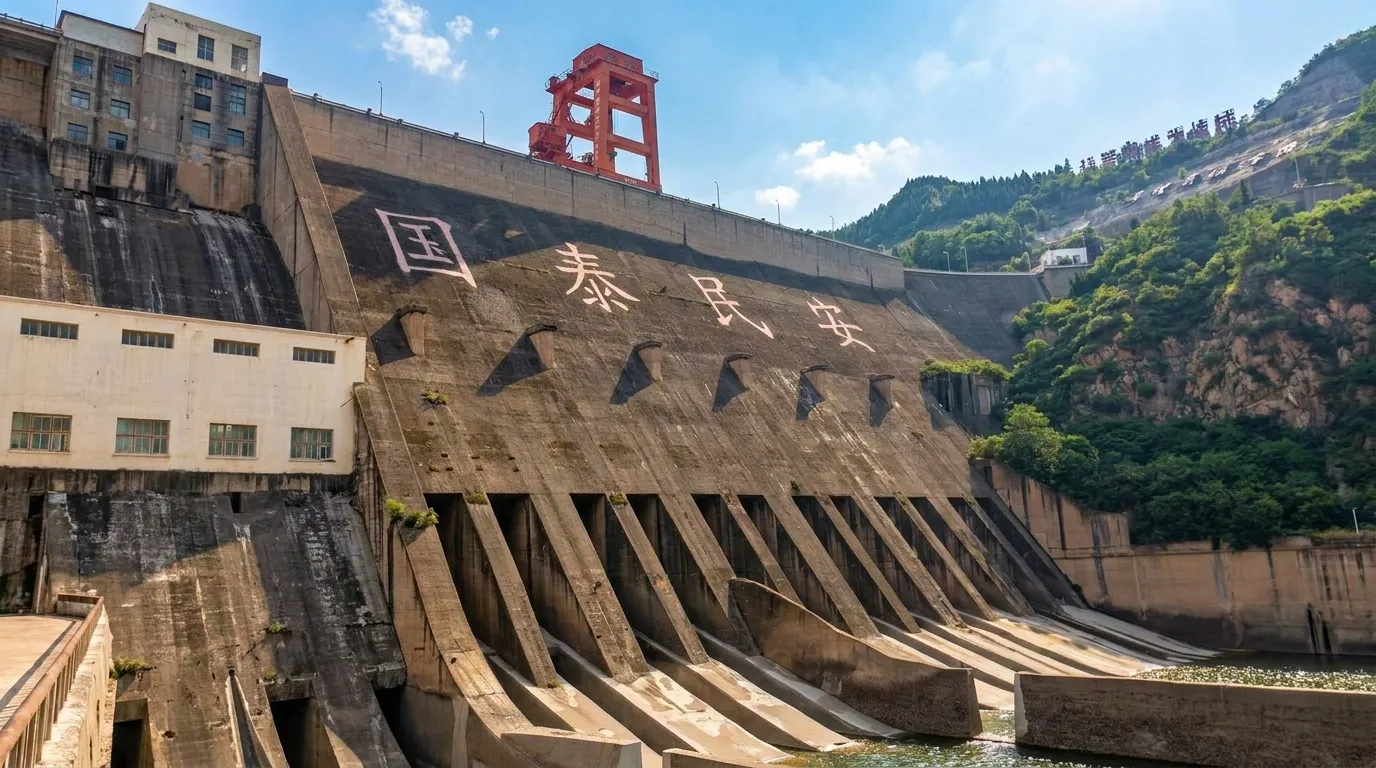
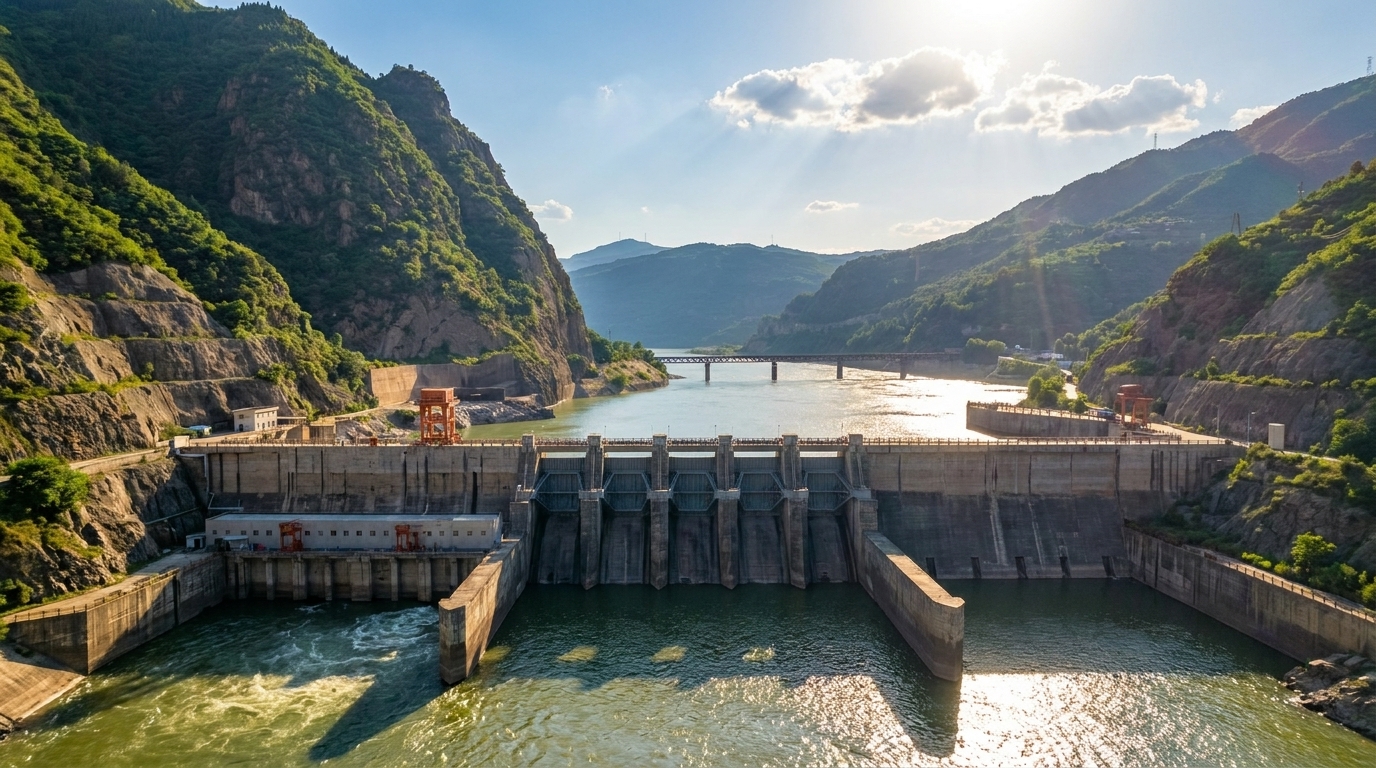
On May 22, 2026, at the invitation of the Preparatory Committee of the BRICS International Alliance for Strategic Projects, I visited Sanmenxia, a city on the Yellow River in Henan Province, where one of the most unusual monuments of Soviet-Chinese friendship stands. This is the Sanmenxia Dam, the "first Yellow River dam", built in the middle of the last century by Soviet and Chinese specialists.
The purpose of the trip was practical: to see how the historical legacy of the joint construction of the USSR and China becomes the basis for new business cooperation in the BRICS format. What I saw turned out to be more interesting than I expected.
A place where history is felt physically
The Sanmenxia hydroelectric complex was built in an era when Soviet-Chinese relations were on the rise. Dozens of leading Soviet hydraulic engineers arrived in Sanmenxia and worked here shoulder to shoulder with Chinese engineers. Geological exploration, flood protection design, filling of the dam, commissioning of generators — all this was done together, in conditions that today would be called extreme.
When you stand outside the engine room and listen to local engineers talk about those times, you understand: This is not just a story of friendship of peoples in a formal sense. This is the story of specific people who lived nearby, solved common problems and left behind a working facility that has been in operation for more than sixty years.
The Sanmenxia Dam still performs its function today: regulates floods in the Yellow River, generates electricity, and retains sediment. This is a living engineering facility, not a museum exhibit.
Why do the BRICS need a dam
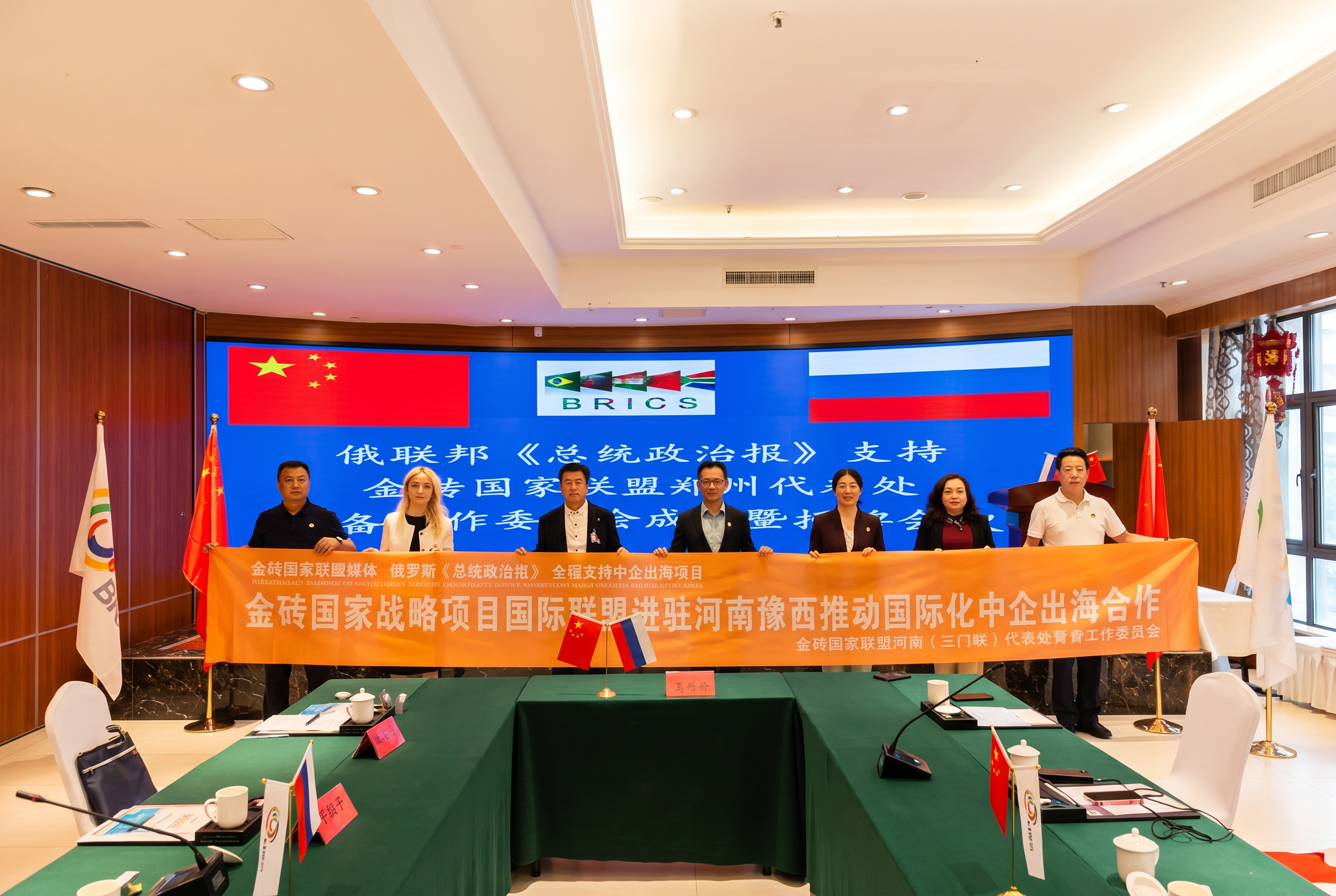
It is here, in Sanmenxia, that the Preparatory Committee of the Representative Office of the BRICS International Alliance of Strategic Projects is being created. The logic is clear: a dam is not just an infrastructure facility, it is a concentrated history of international cooperation, recorded in concrete and metal. A place where the words about partnership are confirmed by decades of collaboration.
The Director of the Preparatory Committee, Tian Hui, formulates the task clearly. The representative office is being created in order to use the historical context of Sanmenxia as a basis for practical cooperation between the BRICS countries in specific sectors: hydropower, culture and tourism, cross-border trade.
For Russian businesses working with China, this means a new institutional entry point for projects in China, with a historical and diplomatic context that is quite relevant in Chinese business culture.
Yangshao culture and the spirit of "Unshakable Support"
The program of the trip included a visit to the Yangshao Cultural Center, one of the oldest civilizations in the Yellow River Basin, famous for its painted ceramics. This is a separate conversation about the depth of the Chinese historical heritage, which is particularly acute in the Yellow River region.
The symbol of the "Unshakable Support", Zhongliu Zhuchu, understands why the Chinese side chose Sanmenxia to host the representative office of the international alliance. The spirit of the place is working. This is where what the Chinese call the "historical foundation for trust" is concentrated — and this is not a metaphor, but a working tool of business relations.
Practical conclusion
The visit to Sanmenxia showed that the historical Soviet-Chinese heritage is now being purposefully transformed into the format of the existing BRICS business infrastructure. The dam is becoming not just a monument, but a platform for new projects in hydropower, water management and cross-border trade.
For companies working with China and considering entering the markets of other BRICS countries, the emergence of such institutional structures is a specific entry point with a clear history and a working mechanism for interaction.
What I appreciate about such trips is that they provide an opportunity to see how big processes are made up of very specific things. The Yellow River Dam, which was built by Soviet and Chinese engineers in the fifties, is now becoming part of the BRICS architecture. This works precisely because it has a real story behind it, not a declaration of intent.
The material was prepared following a visit to Sanmenxia at the invitation of the Preparatory Committee of the Representative Office of the BRICS International Alliance of Strategic Projects.