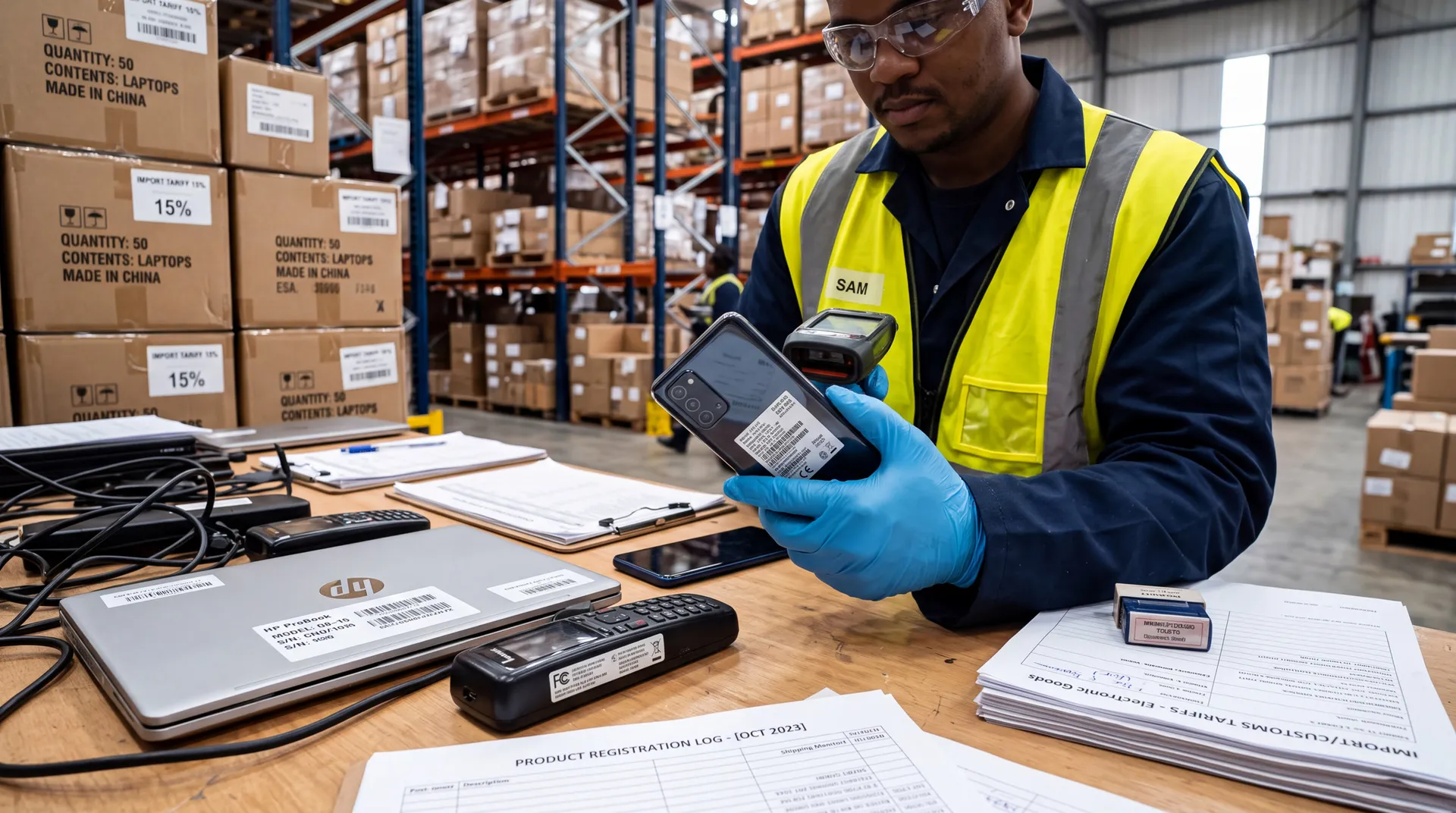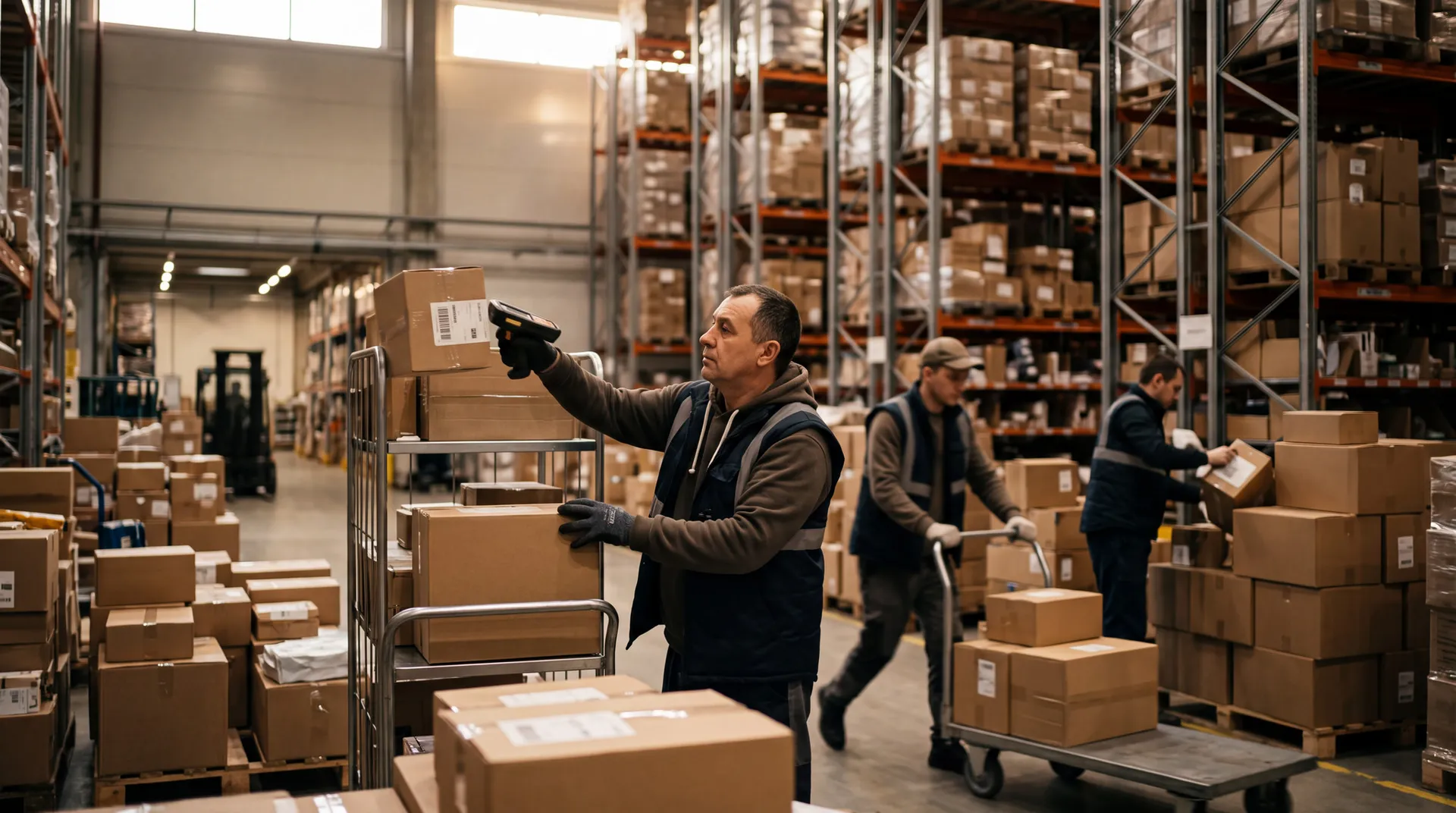
The Honest Sign system has been launched in stages since 2019. First, cigarettes and fur coats. Then there are medicines, shoes, clothes, dairy products, water, beer. With each expansion, the list covers more and more categories of imported goods. September 2026 is the next step.
What exactly is being added
As part of the completion of the 2025-2026 experiments, mandatory labeling is being introduced for three new groups: some food products (a specific list is approved by a decree, confectionery and snacks are actively discussed), printed products (books, magazines, catalogs), titanium products (industrial category).
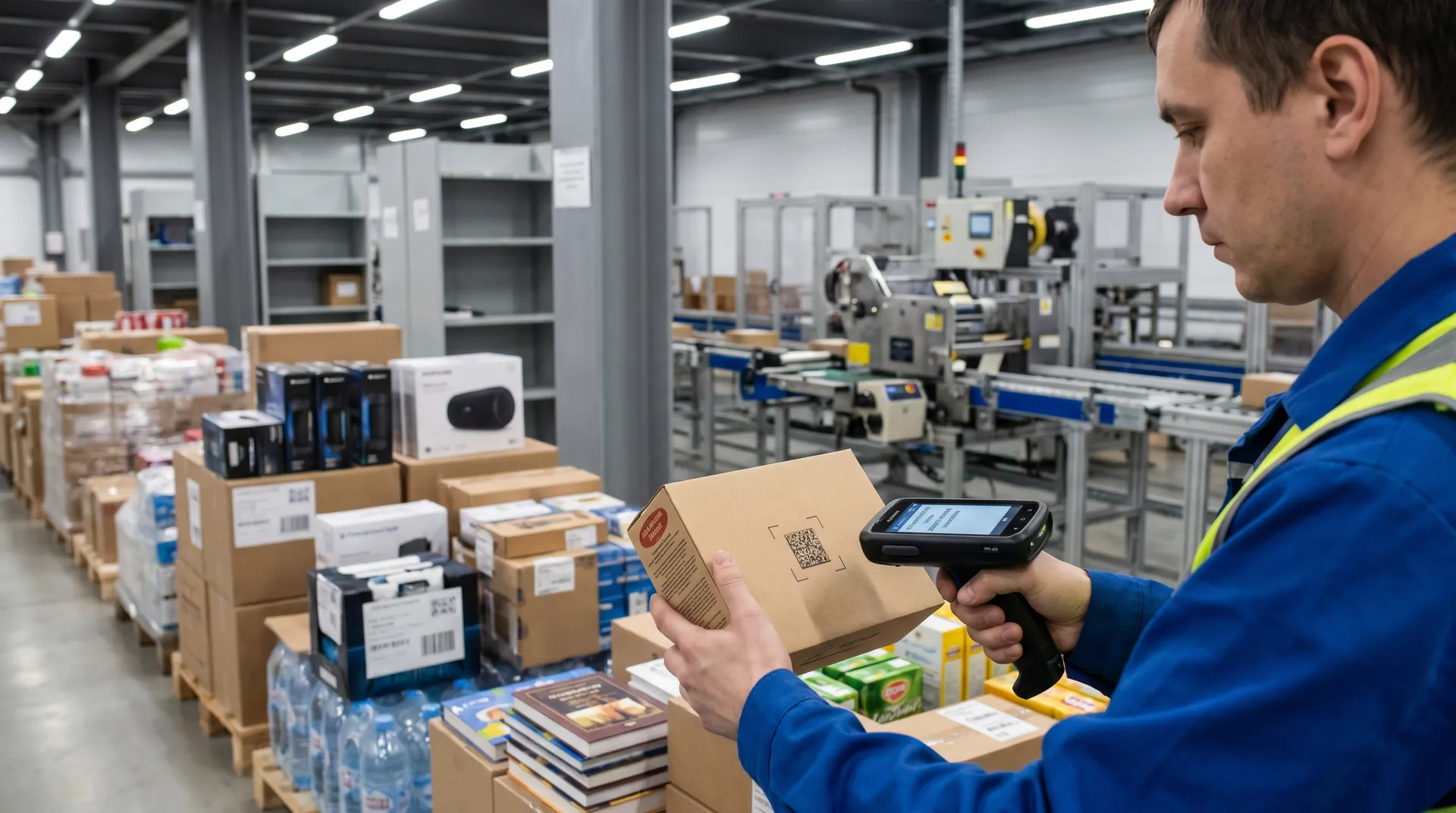
The DataMatrix code applied to the packaging or the product itself is used for each category. The code contains a unique identifier associated with the manufacturer and the batch. Without the code, the product cannot be put into circulation, sold through a marketplace, or transferred to a distributor.
How labeling works when importing
The importer is obliged to label the goods before they are put into circulation. This means that either the marking is carried out in the manufacturer's warehouse before shipment, or in a temporary storage warehouse (CVC) during customs clearance in Russia.
Labeling on CBCS is the most common scheme for importers from China. But there is an operational conflict here.: Some farms have marking equipment, while others do not. An early agreement with the SVH on the availability of equipment and prices is a mandatory preparation point.
Operating expenses
The specific figures depend on the category and volume, but the typical cost structure includes: the purchase or rental of a DataMatrix printer, registration in the Honest Sign system and payment for labeling codes (a few kopecks apiece, but in large batches it is significant), training of personnel in the warehouse, marking time — from several hours to several days depending on the batch.
For companies that already work with labeled categories, this is a familiar process. For those who are new: start preparing no later than July, so that everything is working normally by September.
Why is it important to check now?
The most common mistake: the company finds out about the need for labeling already when the goods are at customs. Then the choice is either to label at the warehouse due to downtime and additional charges, or the cargo is delayed. Neither scenario is needed.
A simple check: go to the honest-sign website.Russian Federation, find the section "Turnover participants", check the availability of your product category in the current list.