The initiative was announced at Transport Week, a specialized industry forum. Kozhemyako justified the proposal with the interests of coal companies and the need to increase cargo turnover through the Far East.
"I think we need to think about going back to lowering tariffs for container gondola transportation. This will provide an opportunity to increase turnover and increase the possibility of delivery for coal companies. Therefore, there are such requests from companies, I think that we need to work carefully in this direction," Oleg Kozhemyako said.
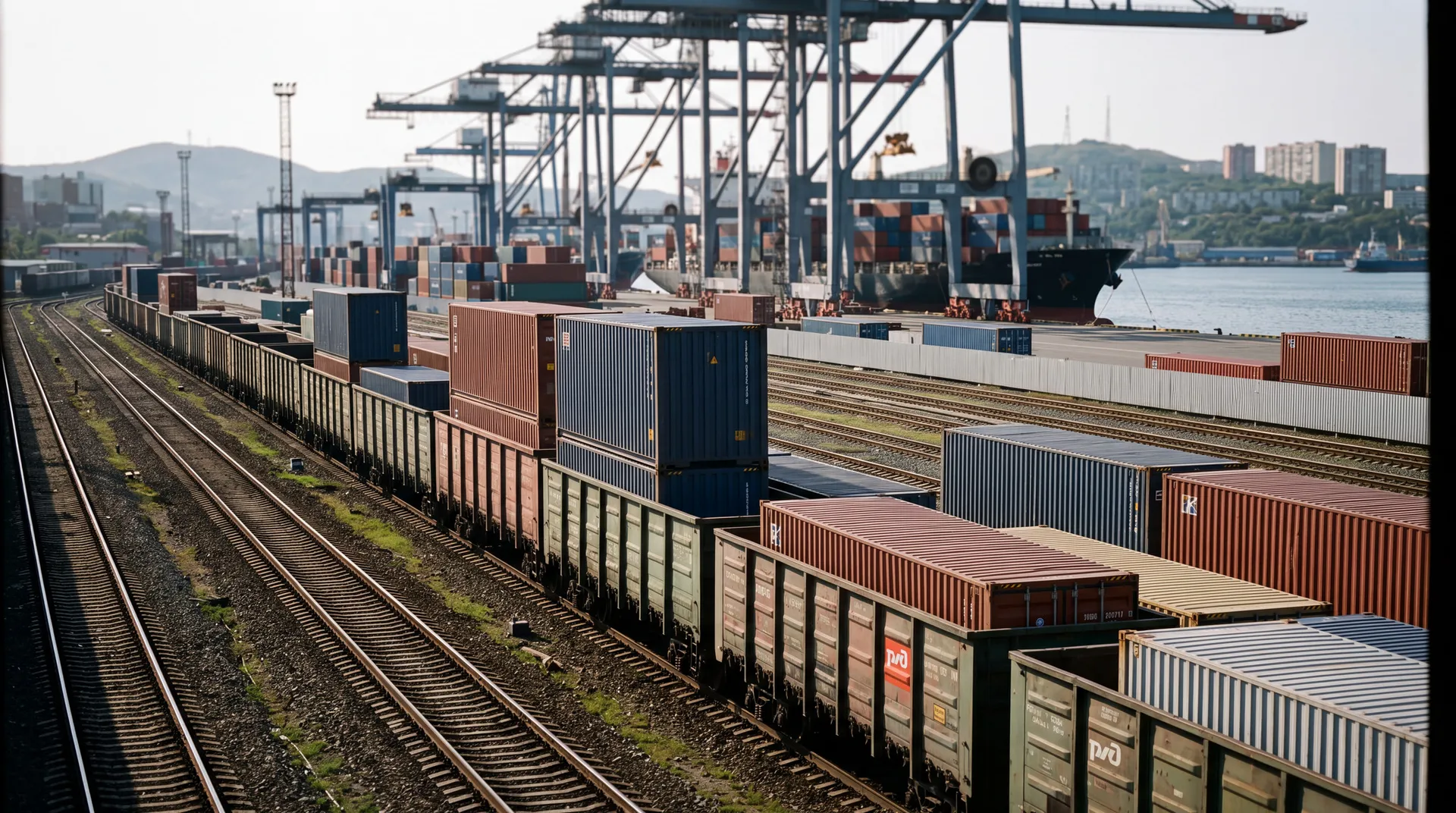
A 20.7% discount was introduced in 2022 as an anti-crisis tool: after sanctions restrictions and the departure of Western carriers, logistics shifted sharply to the east. Gondola cars arriving from Siberia with export raw materials began to accumulate in the Far Eastern ports — fitting platforms for containers with imports from China were sorely lacking. The gondola cars went back empty, the platforms went to the Far East empty. The technology of loading containers directly into gondola cars made it possible to cut this knot: the container travels in a gondola car to Siberia, where it is reloaded onto a platform and continues on.
In the fall of 2025, the discount was cut in half, and since the beginning of 2026, it has been completely canceled. In May 2026, Irina Magnushevskaya, Deputy General Director of Russian Railways, publicly closed the topic: according to her, the privilege had fulfilled its function — most containers from the Far East and without subsidies were already being exported in gondola cars, so the company did not intend to return the preferential treatment.
The position of Russian Railways and the current initiative of the Deputy Prime Minister directly contradict each other. Kozhemyako appeals to the demands of cargo owners and the potential for cargo turnover growth, while the railway monopolist insists that the market has already adapted and additional incentives are superfluous.
For participants in foreign trade chains, the resolution of this dispute has direct financial consequences. Importers transporting goods from China through Far Eastern ports and exporters shipping goods in containers to Asian countries include Russian Railways tariffs in the cost. The return of the discount would reduce the transport component on those shoulders of the route where the container travels in a gondola car to the Siberian transshipment point. No decision has been made yet: Kozhemyako's initiative is formulated as a proposal for elaboration, there is no official government position.
Related news:
- Russian Railways introduces discounts of up to 50% on export and domestic transportation — what tariff benefits do Russian Railways have now?
- Container transportation through the Far East will rise in price by 50-80 thousand rubles by December — how much will rates increase in the Far Eastern direction
- FESCO has opened the Novorossiysk—Vladivostok railway route for cargo to Asia, a new railway route to Far Eastern ports
- Features of pricing in logistics between the BRICS countries — an article about what makes up the cost of international transportation