Two key documents were signed simultaneously: a terminal lease agreement between IGF-Razvitie (part of the Gazprombank Group) and the operator, SWIFT Group of companies, as well as a ship-or-pay cargo handling agreement. The first one fixes the transfer of the facility to temporary ownership and use, the second one fixes the obligations of the operator for cargo handling and ensuring the availability of terminal facilities. Together, they form the commercial basis for the operation of the complex and guarantee its long-term utilization.
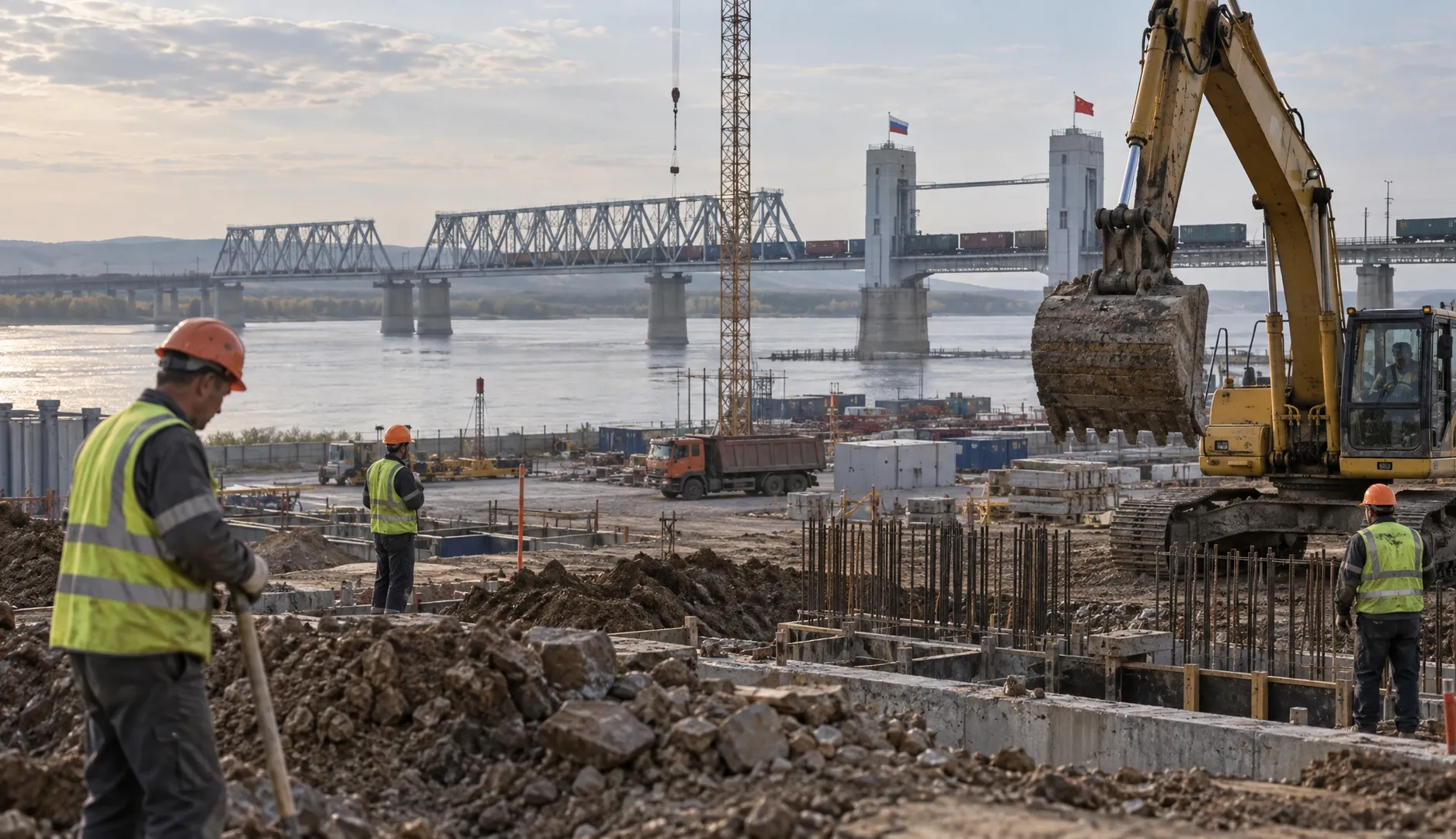
The terminal will be the first stage in the development of the border area of the Nizhneleninskoye—Tongjiang border crossing. The design capacity is up to 80,000 forty—foot containers per year. Construction is scheduled for 2025-2027, and commissioning is scheduled for 2028. The project will create up to 100 jobs.
For participants in foreign economic activity, the ship-or-pay condition means predictability: the operator is obliged to ensure the transshipment of the declared volume or compensate for the difference. This reduces the risk of cargo downtime at the border and makes the planning of shipments from Northeast China more reliable.
"Gazprombank's participation in this project continues our systematic work to develop the transport corridors of the Far East and create additional opportunities for Russian shippers," said Pavel Berezansky, CEO of IGF—Razvitie.
Wang Jinyu, a representative of the SWIFT Group of companies, called the terminal a key link between Northeast China and the Russian Far East.: "Our task is to make the corridor rhythmic and open for cargo from both countries. I am confident that together we will implement the project and open up new business opportunities, strengthening the Russian-Chinese partnership."
The Nizhneleninskoye—Tongjiang crossing connects the Eastern Administrative District with Heilongjiang Province via a railway bridge over the Amur River. Before the terminal appeared, the transit capacity was limited by the shortage of transshipment infrastructure on the Russian side. The new complex will expand container cargo handling capabilities and increase the efficiency of cross—border rail services for both importers and exporters focused on the Chinese market.
The facility's commissioning in 2028 coincides with a period when most alternative routes between Russia and China are already operating at peak capacity. An additional 80,000 TEU per year in the eastern direction is a tangible reserve for freight traffic, which continues to grow.
Related news:
- The Jalinda checkpoint will open in test mode in early 2027, another new crossing on the border with China.
- Container transportation through the Far East will rise in price by 50-80 thousand rubles by December — how rates change in the eastern direction
- Border crossings on Amur will close the cargo route from November 1. What restrictions apply at Amur crossings
- How to transport goods from China now: an honest analysis of price and speed — an article comparing routes from China in terms of cost and timing