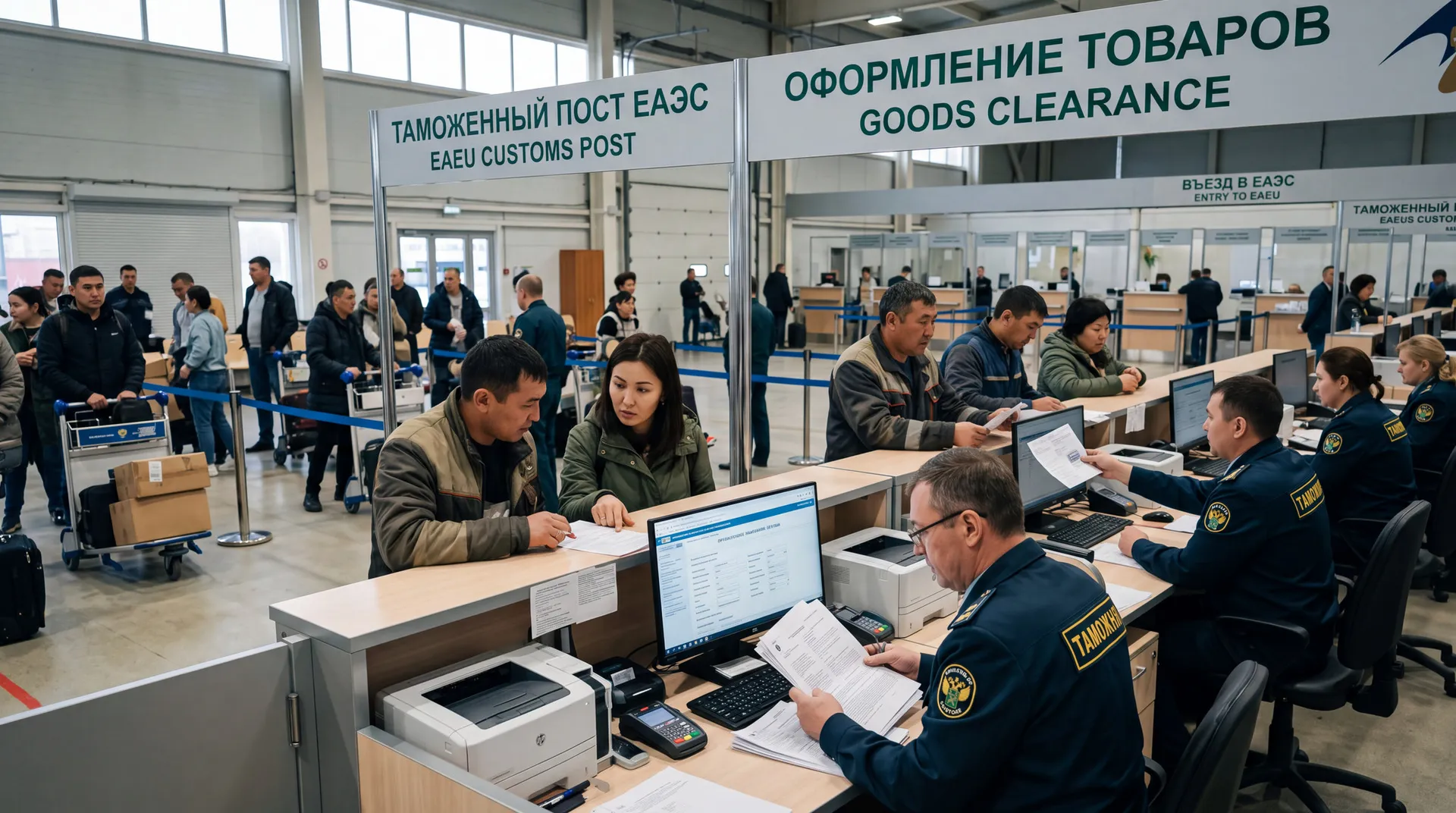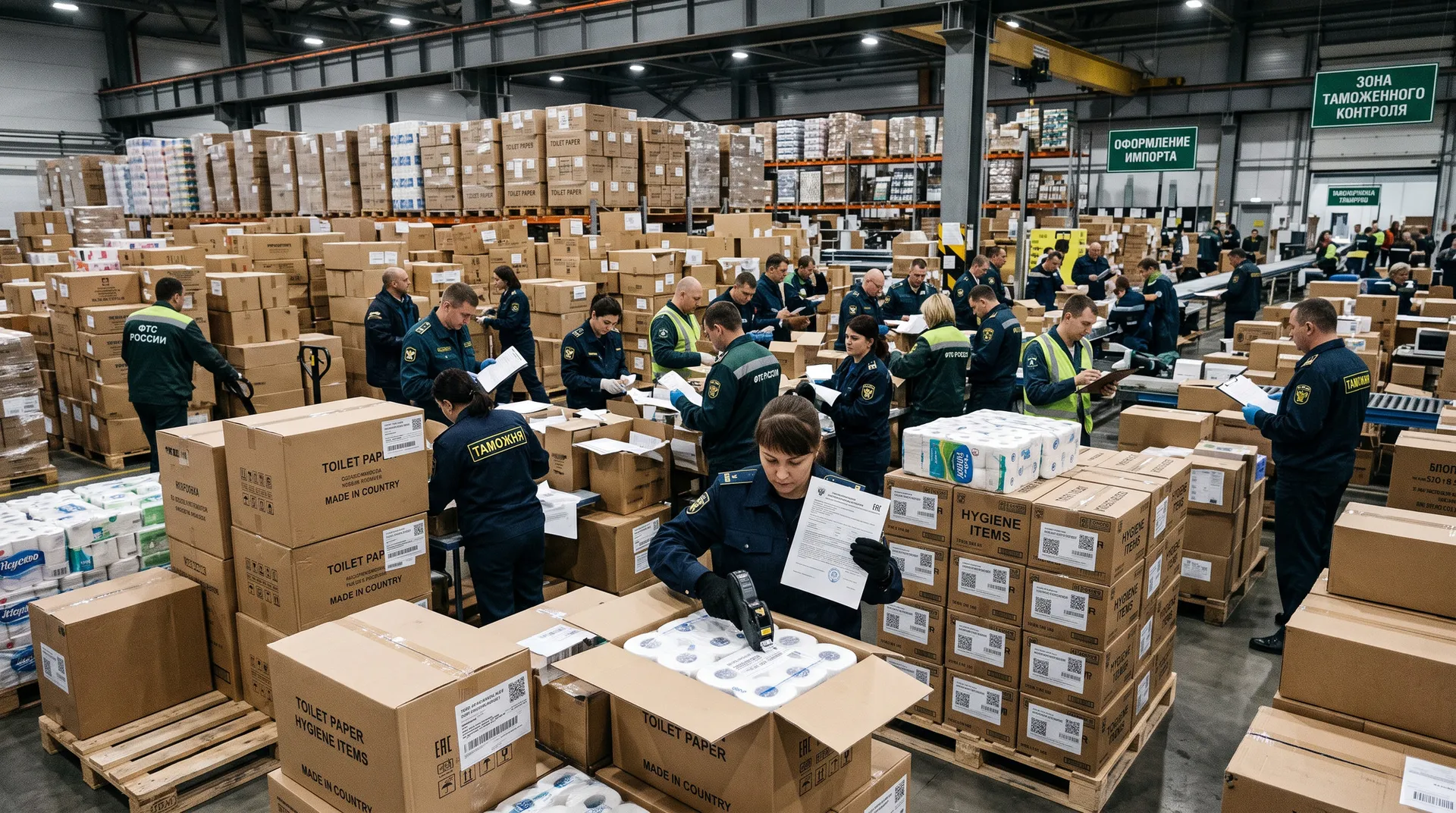
Two years ago, the HS code was of interest only to applicants. Today, Wildberries and Ozon require it to be indicated on the card under threat of a fine. If the FCS initiative passes, the next required field will be the number of the customs declaration.
What the FCS offers
There are three mandatory fields for imported goods cards: country of origin, HS code, and customs declaration number. The last point is the key. The declaration number is a direct link to a specific document in the FCS database: who imported it, when, at what cost, and with what duties.
The buyer will be able to verify the legality of the product. The FCS is responsible for monitoring the compliance of the data stated in the card with real documents. The marketplace is responsible for authenticity.
Why does the Federal Customs Service need this?
Gray imports on marketplaces are a systemic problem. Some goods are imported with low customs value or through schemes in which the real importer is hidden behind a chain of intermediaries. The publicity of the declaration data creates an additional barrier to such schemes.
At the same time, the FCS is discussing a mechanism for joint responsibility: if the marketplace allows counterfeit goods to be sold, the platform is also responsible, not just the seller. This completely changes the level of control on Ozon and Wildberries over the contents of the catalog.
What will change for bona fide importers
Nothing critical for companies with clean documents. The declaration number is already there, the HS code is already indicated. Technically, this is adding one field to the card.
Operational issue: with a large assortment, it will be necessary to monitor the compliance of the HS code in the card and the real code in the declaration. An error or intentional discrepancy is the basis for a fine and blocking.
For sellers who use other people's cards or create cards without linking to a specific batch of goods, the processes become more complicated. Each card will have to link to a specific document.
Deadlines
The initiative is currently being proposed to the Ministry of Industry and Trade. The adoption of the law and its entry into force are months away. But the direction of movement is set: marketplaces as part of customs transparency.