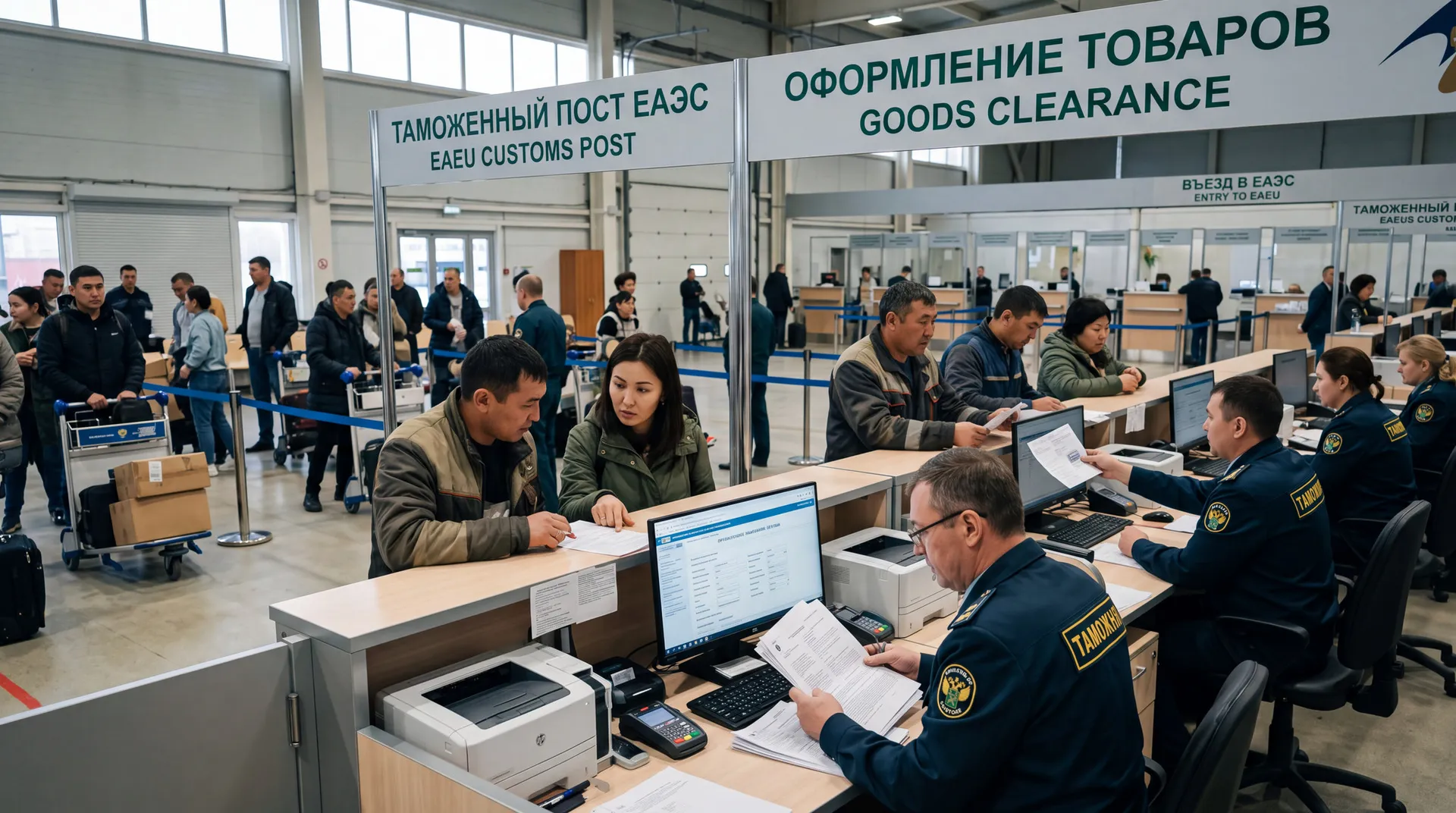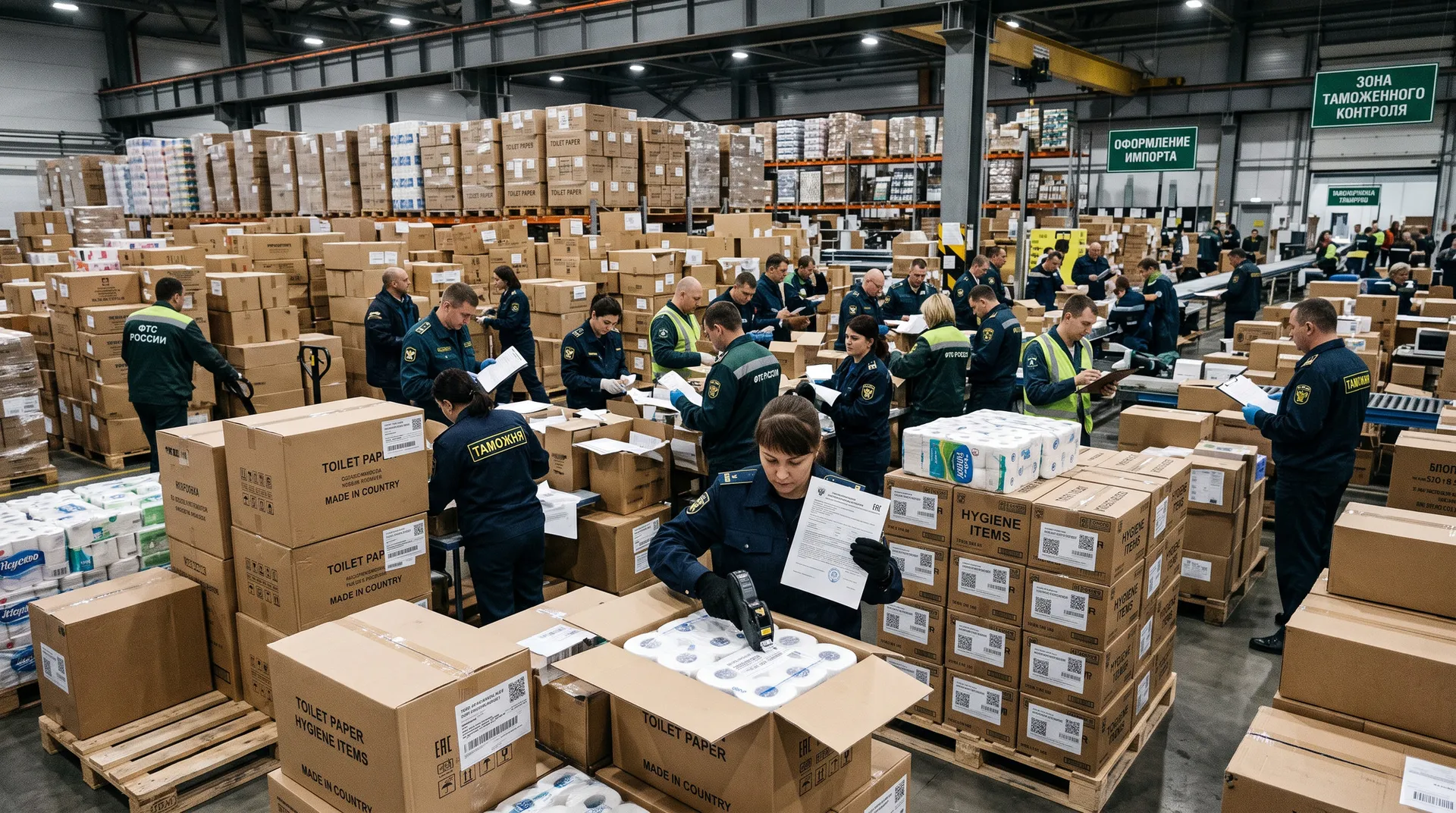
Decree of the Government of the Russian Federation dated 05/30/2026 No. 656 expanded the scope of mandatory labeling, adding a new category to the existing requirements for cosmetics, household chemicals and personal care products. The list includes toilet paper and paper towels, toothbrushes and dental floss, combs and washcloths, manicure tools, sanitary pads, tampons, diapers and other products that fall under the established HS and OKPD2 codes.
For importers, the key milestone is October 1, 2026. From this date, each batch released by the customs must carry means of identification, and information about the introduction of products into circulation must be transmitted to the Honest Sign system. Registration of turnover participants in the system has been open since September 1, 2026.
A separate mode is provided for transitional parties. Goods purchased before September 30, 2026, but released by customs after October 1, must be marked before being offered for sale. The transitional period is valid until January 31, 2027 for the parties provided for by the resolution. Products manufactured or imported before October 1, 2026, can be sold without labeling until September 30, 2027 inclusive.
Retail has received a deferral for operational duties. It will be required to transfer information about the turnover and withdrawal of goods from circulation to the labeling system, including when selling through the cashier, only from October 1, 2027. Until this date, stores can sell labeled goods without transmitting cash register data to the Honest Sign.
Importers should check several items sequentially: whether specific articles are included in the list according to HS and OKPD2 codes; whether the company is registered with Honest Sign; whether the equipment and accounting system are ready to work with labeling codes; what inventory remains belong to the transition period and before what date they are allowed to be sold without identifiers.
The expansion of labeling increases the administrative burden on participants of foreign economic activity working with mass consumer goods. Each imported shipment now requires an operation to apply codes and transfer data before it enters commercial circulation, which directly affects the speed of customs clearance and warehouse logistics. It is advisable for companies importing household and hygiene products from the BRICS countries to synchronize delivery dates with transition dates in order to avoid the need for additional labeling in a Russian warehouse.
Related materials:
- From September 1, labeling fines will be issued without a protocol — as they are now fined for labeling violations
- Marking of building materials was postponed to June 1, 2027 — which neighboring product groups received a postponement
- Import label requirements: what is written in the law and how it ignores the market — how to prepare imported goods for labeling