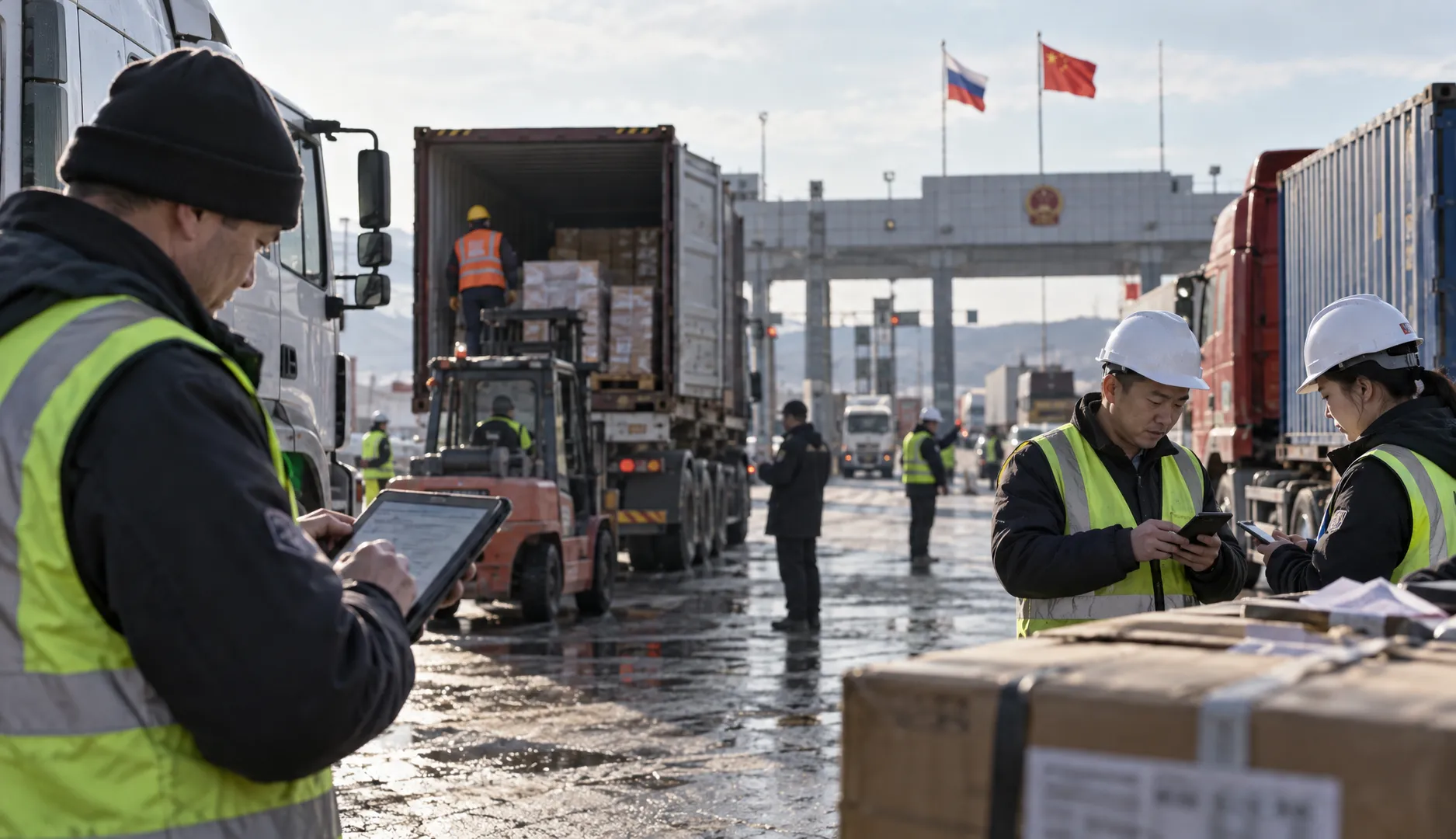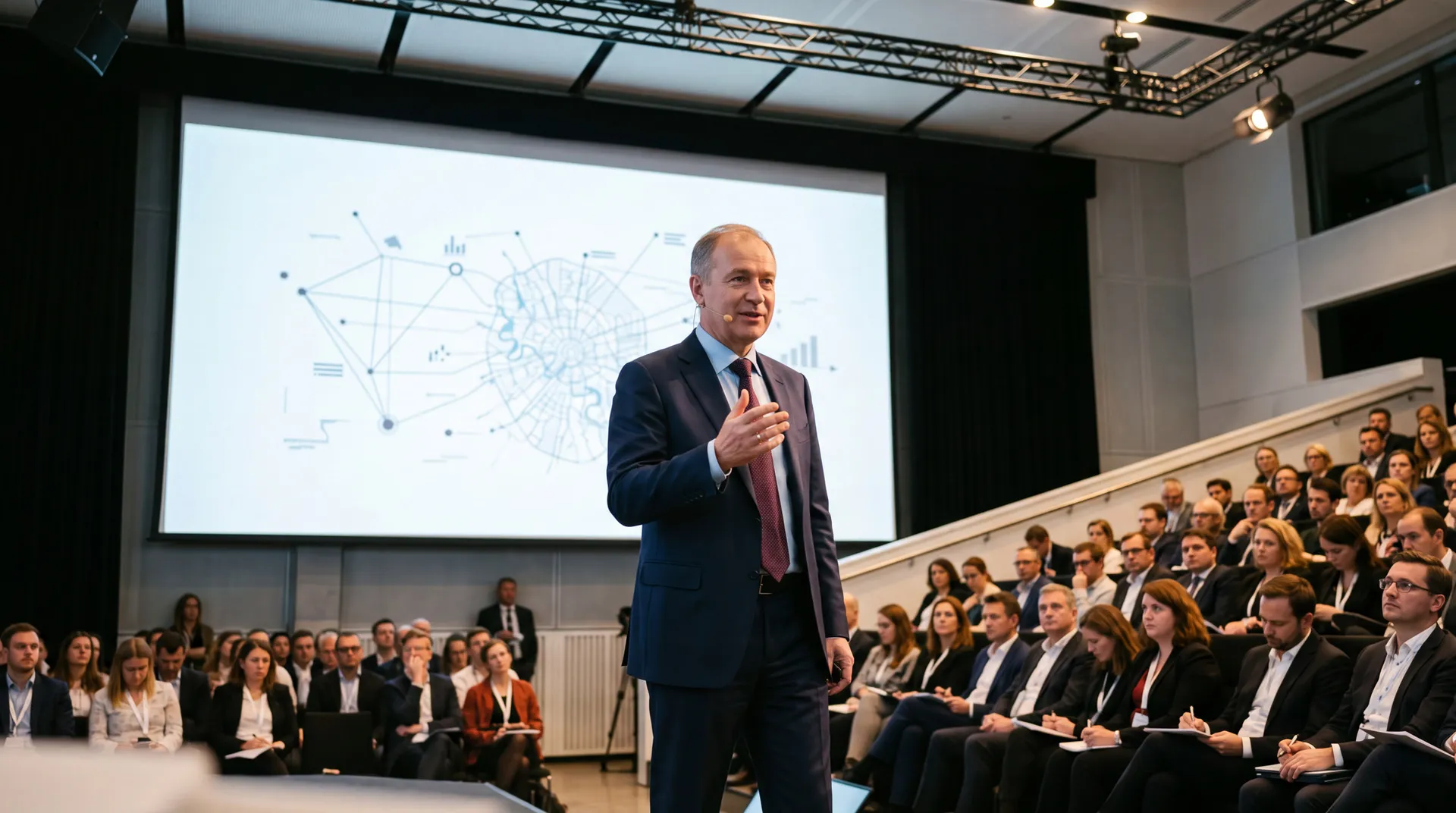
Currently, 93% of export declarations are registered automatically, 49% are issued in a fully automated mode in a few minutes — through multi-level checks. These figures were cited by Ivan Kozlov, Head of the Main Department of the Analytical Center of the Federal Customs Service, at the Digital Solutions Forum, held on October 6-10 at the Rossiya National Center.
However, the FCS considers the achieved figures to be only an intermediate stage. The problem that the service intends to solve in the next step is that the same information is now repeatedly transferred between the systems of the participant in the foreign economic activity, customs authorities and other organizations involved in the export transaction. Each time — manual input, each time — the risk of error.
The proposed model is based on the principle of a single input: information is entered into the system once, after which it is automatically transferred between information systems and supplemented as the transaction and control procedures progress. The transition involves abandoning the exchange of individual electronic documents in favor of full-fledged data migration between trade participants and government agencies.
The FCS identifies two conditions without which the model will not work. The first is a single data format: information must be transmitted in a standardized form so that different systems can correctly recognize it. The second is the legal recognition of the transmitted data: they must have sufficient reliability and quality to be used in control procedures. Technical compatibility without the legal status of the data will not work, and vice versa.
For businesses, the potential benefit is to reduce manual operations and reduce the number of situations where employees re-enter existing information. The government, in turn, gets the opportunity to take the necessary information directly from the digital systems of the parties to the transaction.
Vladimir Ivin, Deputy Head of the Federal Customs Service, participated in the forum's plenary session on the introduction of artificial intelligence in public administration and the digital transformation of the economy.
Kozlov concluded his speech by pointing out that the identified areas correspond to the goals of the updated Strategy for the development of the Russian Customs service until 2030. There were no specific dates for the transition to the new model at the forum — the service outlined the vector and necessary conditions, leaving the implementation details beyond the public announcement.
Related materials:
- The FCS will focus on the uniformity of customs decisions through digital systems — what else does the FCS Analytical Center do?
- The Federal Customs Service is switching to AI — Rosatom will rebuild the entire customs IT system by 2028 — which IT platform will the new services work on
- Currency statement, customs and 0% VAT: why should an accountant of a foreign economic activity company think faster than anyone else - how many times does an exporter enter the same data now