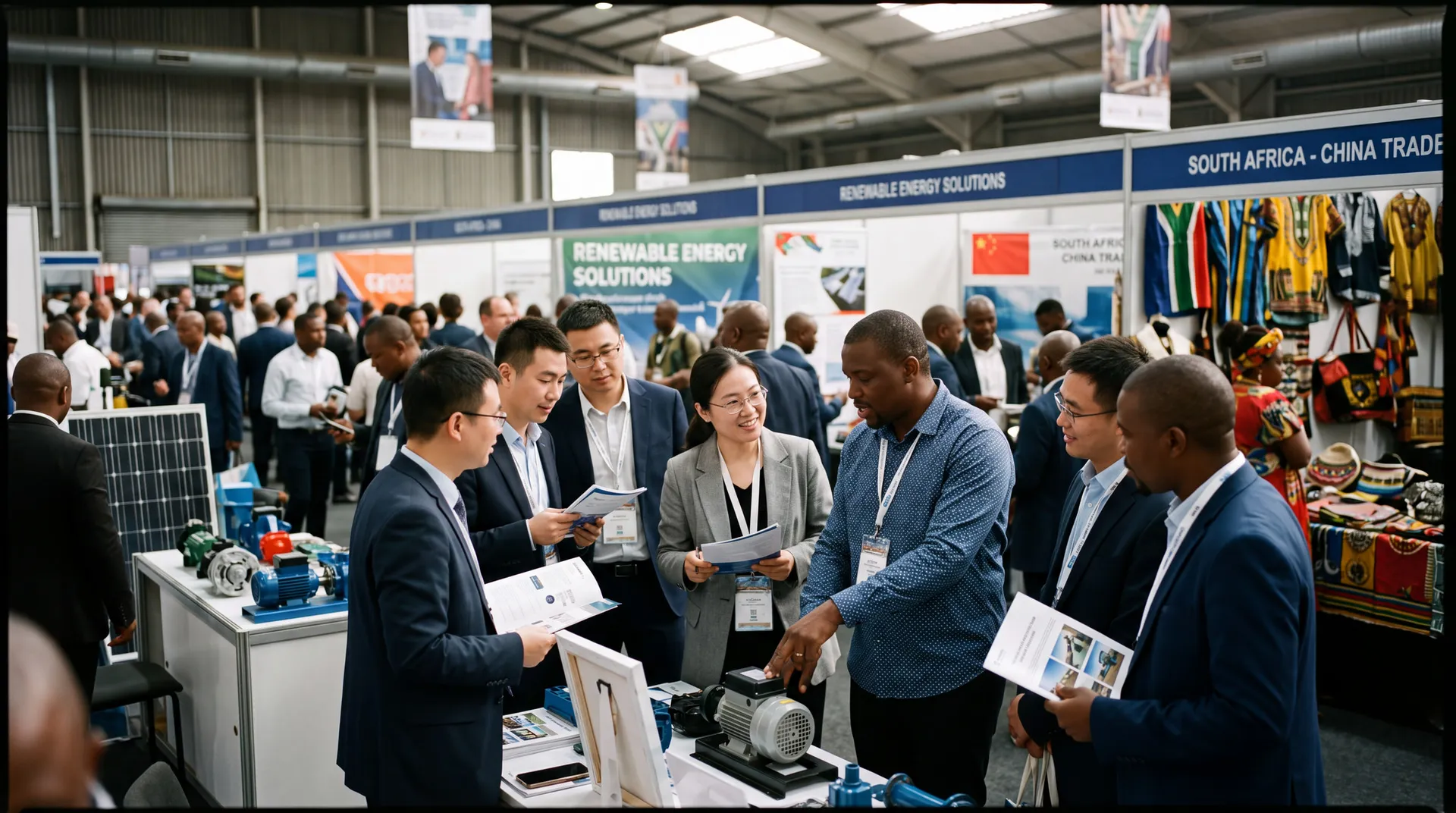
The exhibition covers 5,000 square meters and is divided into four thematic sections.:
- energy and electricity supply;
- machines and accessories;
- mining industry;
- African goods.
More than 190 Chinese manufacturers and 40 South African companies present their products and look for partners within three days.
John Steenhuizen, South Africa's Deputy Minister of Trade, Industry and Competition, called on businesses in both countries to use the platform to find specific opportunities at the opening ceremony. According to him, China and South Africa share a vision of partnership based on deep economic cooperation and mutual development.
Chinese Ambassador to South Africa Wu Peng noted a marked increase in bilateral trade after the introduction of zero tariffs on May 1 and stressed the interest of Chinese companies in investing in the South African economy and creating jobs.
The agricultural sector is one of the priorities of the negotiations. Simon Engelbrecht, Head of Trade and Relations at Agriculture South Africa, said:
"The opportunity for us is not only to increase trade volumes, but also to build stronger and more diversified economic relations between South Africa and China."
South Africa positions itself as a year-round supplier of agricultural products to the Chinese market and intends to expand the range of exported goods. This opens up practical interest for Russian and other BRICS exporters competing for a share in Chinese imports of agricultural raw materials.
Business meetings in three areas are planned within the framework of the expo: agricultural machinery, new energy and the watch industry. The format is designed for direct negotiations and the conclusion of transactions — without intermediaries.
The zero tariffs imposed by China on African exports are changing the competitive environment for suppliers from other regions. Companies importing goods to China from countries that do not have similar preferences find themselves in a less advantageous position in terms of price. Monitoring of Beijing's new trade agreements with BRICS partners and beyond is becoming part of regular supply chain management efforts.
Related news:
- African Coffee in China: Zero Duties and CIIE open up the market — how China's Zero duties work for African goods
- US expels South Africa from AGOA: a blow to exports and thousands of jobs — why South Africa is looking for new markets
- 9th CIIE in Shanghai: 4,142 companies from 162 countries, a record 440,000 square meters — China's largest import exhibition this year
- Specifics of logistics with Africa and the BRICS countries — an article about how supplies between Africa and the BRICS countries are arranged