





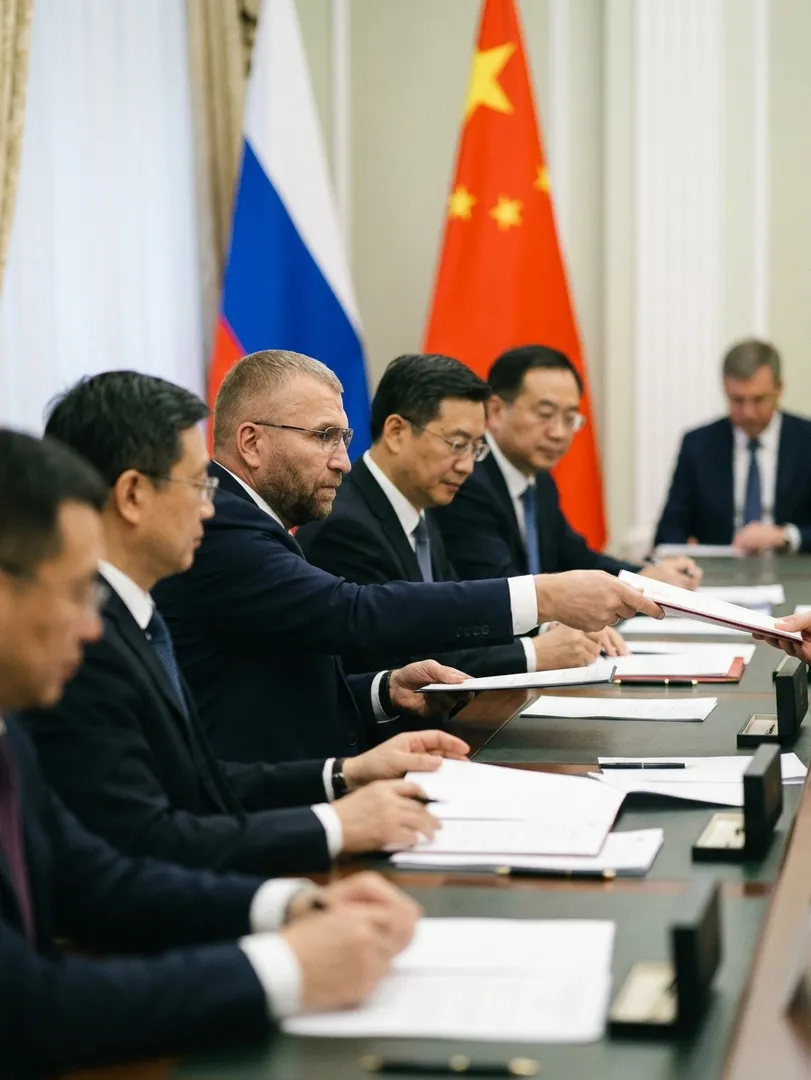
The 18th meeting of the Russian-Chinese Subcommittee on Customs Cooperation was held in Shanghai. The Russian delegation was led by Valery Pikalyov, Head of the Federal Customs Service, and the Chinese delegation was led by Sun Meijun, Head of the General Administration of Customs of the People's Republic of China. Following the meeting, the parties signed a protocol that fixed the main areas of work for 2027.
The central element of the agreements is the Green Corridor project. Participants with a stable history of customs compliance receive more predictable and faster cargo clearance. The parties are discussing the expansion of benefits for the project participants and the refinement of its technical part. In parallel, work continues on the mutual recognition of the results of customs control.
A separate block is digitalization. Russia and China are developing a Single Window: a model in which information for foreign trade and control procedures is transmitted electronically through interconnected information systems. The more information about the cargo the customs services receive before its arrival, the less the need to repeatedly request the same information directly at the checkpoint. The task is also fixed at the highest level: in the joint statement of Russia and China dated May 20, 2026, the parties agreed to strengthen cooperation in the field of smart customs, develop mutual connectivity of Single Window systems and improve the efficiency of border checkpoints.
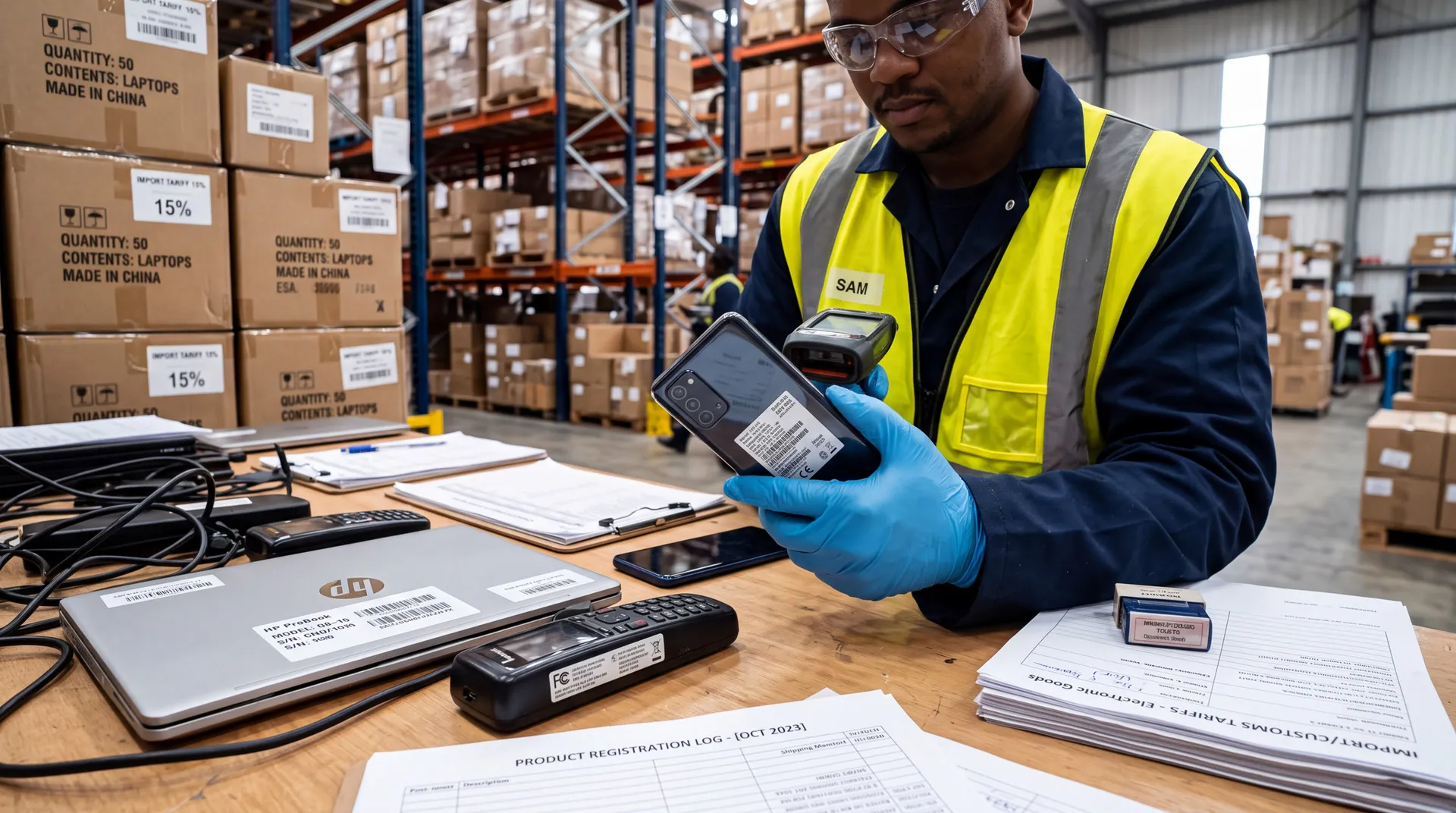
In the field of intelligent technologies, the parties agreed to share their experience in the use of inspection and inspection systems, including for training automated image analysis systems based on artificial intelligence. The transition from purely physical inspection to automatic data analysis makes it possible to identify suspicious shipments faster without a proportional increase in the number of manual checks.
Simplification of procedures is accompanied by increased joint law enforcement work. In July 2026, the Federal Customs Service and the State Customs Committee of the People's Republic of China agreed to cooperate more actively in suppressing drug trafficking, illegal export of timber and aquatic biological resources, including joint international customs operations. The exchange of operational information allows you to compare information about the cargo and the participants in the transaction before completing all customs procedures.
Another area is personnel training. In May 2026, Pikalev and Sun Meijun signed a memorandum of cooperation in the field of education and training of customs specialists. The work will continue within the framework of the Russian-Chinese Years of Cooperation in the field of education in 2026 and 2027. New digital control systems require specialists who are able to work with automated data analysis, electronic document management and modern verification tools.
The Subcommittee on Customs Cooperation has been in existence since 2009. During this time, its agenda has expanded from the exchange of statistics and the fight against smuggling to digitalization and intelligent technologies. The next step is the practical implementation of the protocol's agreements: expanding the list of participants in the Green Corridor and integrating the two countries' Single Window systems.