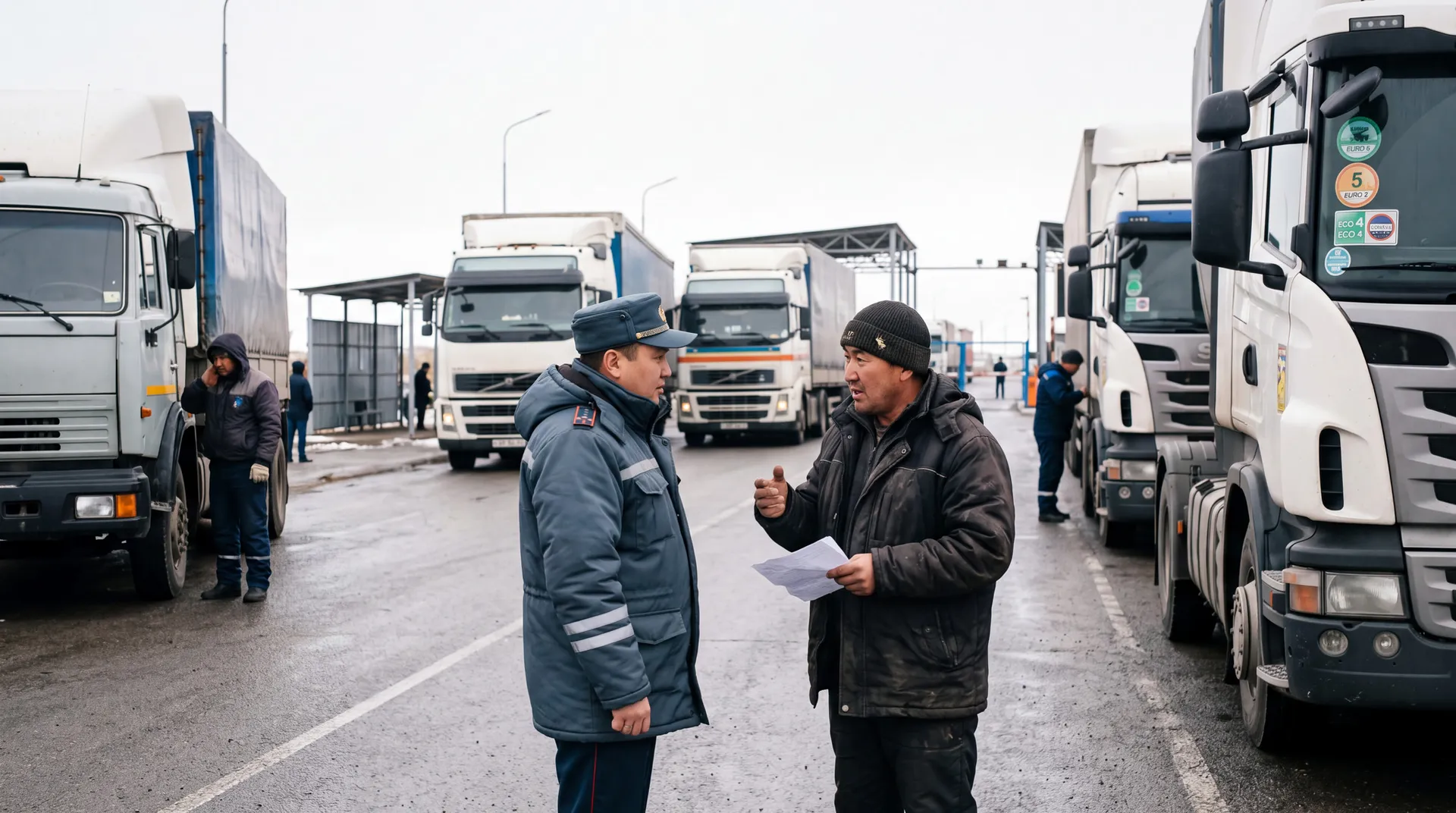








The working meeting took place in Sukhum: delegations of the Southern Customs Administration of the Russian FCS and the State Customs Committee of the Republic of Abkhazia discussed measures to reduce the time it takes for goods and passengers to cross the Russian–Abkhaz border, as well as more efficient use of road and rail routes.
The central topic of the talks was customs clearance of products of the Abkhaz agro-industrial complex. Particular attention was paid to tangerines and grape wine — the republic's two traditional export items. For fresh fruit suppliers, the speed of border crossing directly affects product quality: delays at inspection shorten shelf life and increase losses. Faster customs operations make it possible to reduce vehicle downtime and logistics costs.
The second major block of talks concerned the organisation of border crossing by tourists. The Adler multilateral road checkpoint, one of the main road links between the two countries, is currently under reconstruction. The construction work requires additional coordination of customs authorities, especially when clearing organised tourist groups. The parties considered possible interaction mechanisms to simplify customs procedures for travellers. No information has been received on new border crossing rules, additional benefits for tourists or changes to the list of required documents following the meeting.
The railway route was also on the agenda. Coordinating the work of customs services on rail routes is relevant both for passenger transport and for cargo delivery — especially during periods of seasonal growth in cargo flows and tourist traffic.
Following the meeting, the parties confirmed their readiness to develop bilateral cooperation. Priority areas include accelerating cargo turnover, improving customs operations and promptly resolving issues at border crossings. No specific new procedures or implementation dates have been announced — the talks recorded intentions and agreed on further interaction between the customs services of the two countries.
For Russian importers of Abkhaz agricultural products, the practical result will be seen during the tangerine harvest season: that is when the load on the border crossing rises sharply and any clearance delays directly hit the cost and quality of supplies. The next step is the announcement of specific changes in the declaration procedure, which the parties are still agreeing on.
Related news:
- Capacity of the border with Abkhazia to increase 9 times by 2028 — how the capacity of the border with Abkhazia will grow
- Russia and Abkhazia signed a protocol on mutual recognition of customs control — mutual recognition of customs control by Russia and Abkhazia
- Ural electronic customs tripled the speed of cocoa bean release — how customs speeds up the release of perishable cargo
- New FCS algorithm: where declarations will now go and what it means for business — where declarations go and what it means for business