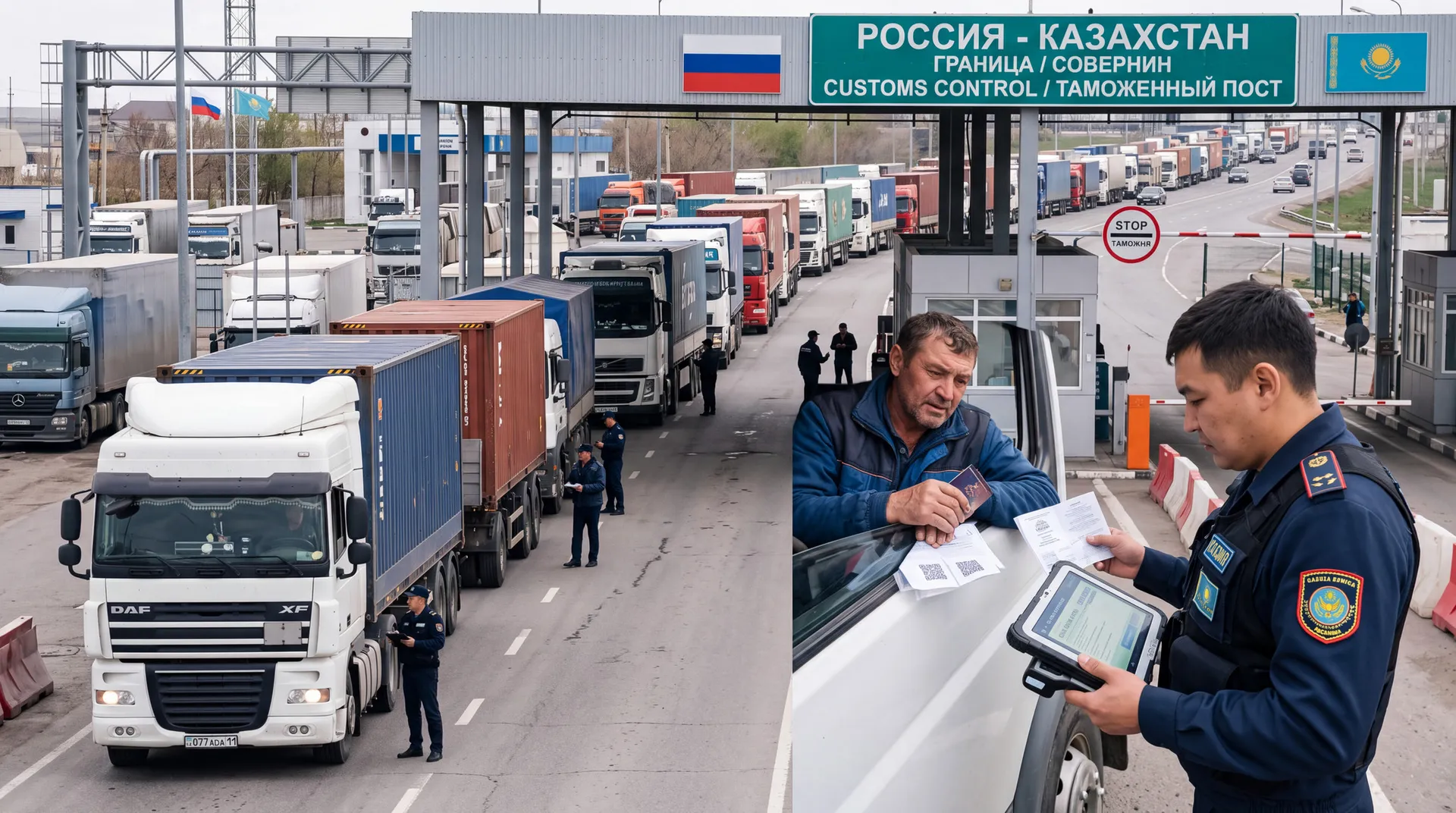
The mechanism of traceability of foreign goods has been launched in the Eurasian Economic Union since September 1, 2026. It applies to products whose customs clearance has taken place in one member State of the union, and further movement goes to other member States.
The legal framework has been building for seven years. The agreement on the mechanism of traceability of goods imported into the customs territory of the EAEU was signed on May 29, 2019. The decision of the Eurasian Intergovernmental Council dated 30.09.2025 No. 5 determined the beginning of the mechanism's operation on a permanent basis from September 1, 2026. The list of goods of the first stage was approved by the Decision of the EEC Council dated January 26, 2026 No. 5.
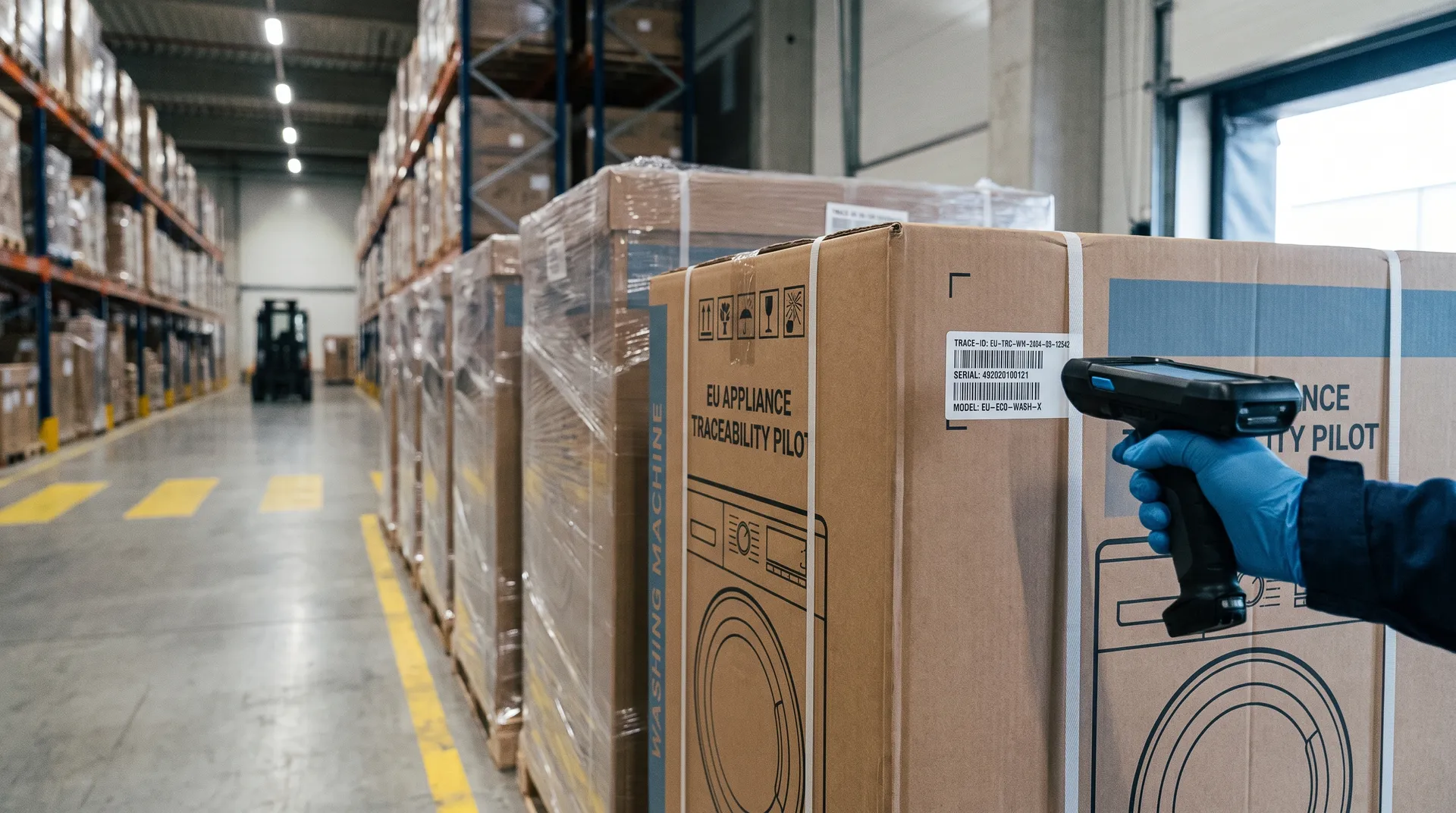
At the start, the list included household refrigerators and freezers, washing machines and televisions. As the mechanism develops, the list may expand, but the commission has not yet named specific dates and categories for the next stage.
The task of the mechanism is clear from the structure of the single customs space. Imported goods undergo customs procedures in one country of the Union, and then enter the market of another state without being re-processed at the internal border. The traceability mechanism restores the link between the declaration and the further movement of the goods: information about the consignment is entered into national traceability systems and accompanies it during cross-border movement within the union.
At the same time, cases have been identified where movement is possible without entering information into national systems — this list should be studied separately.
What should importers and distributors of machinery do?
Check whether your positions are included in the list of the first stage according to HS codes. Set up the transfer of party details in invoices and universal transfer documents - traceability works through document flow, not through physical labeling. Check with counterparties from Kazakhstan, Belarus, and Armenia who enters information when moving between countries and at what time. And we should raise the list of exceptions separately: some operations do not meet the requirement, and excessive reporting is just as harmful here as its absence.
Similar materials on the website
- Since August 17, the list of goods for temporary import into the EAEU has been expanded — how to read the decisions of the EEC Council and why lists are important, not just codes