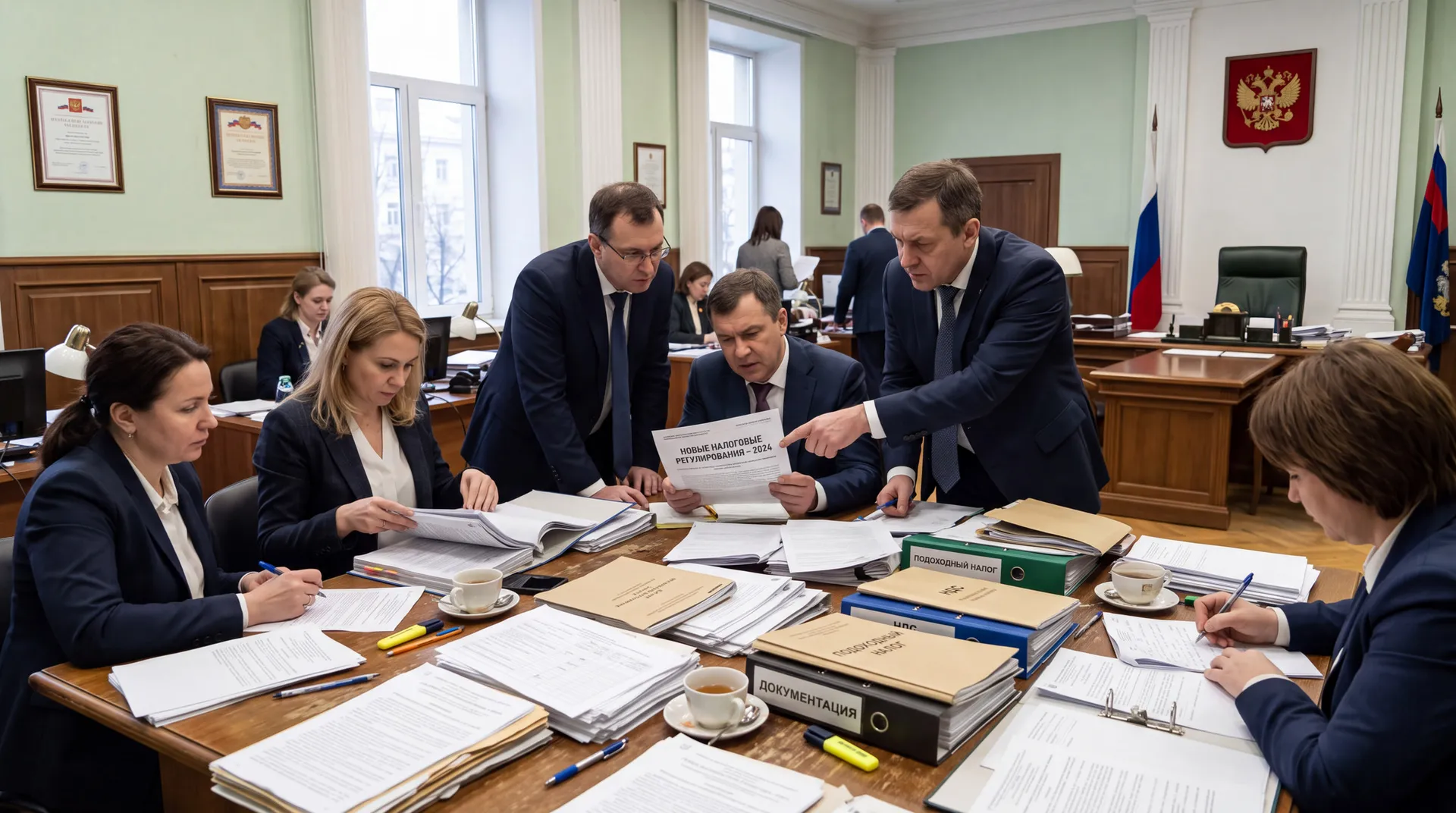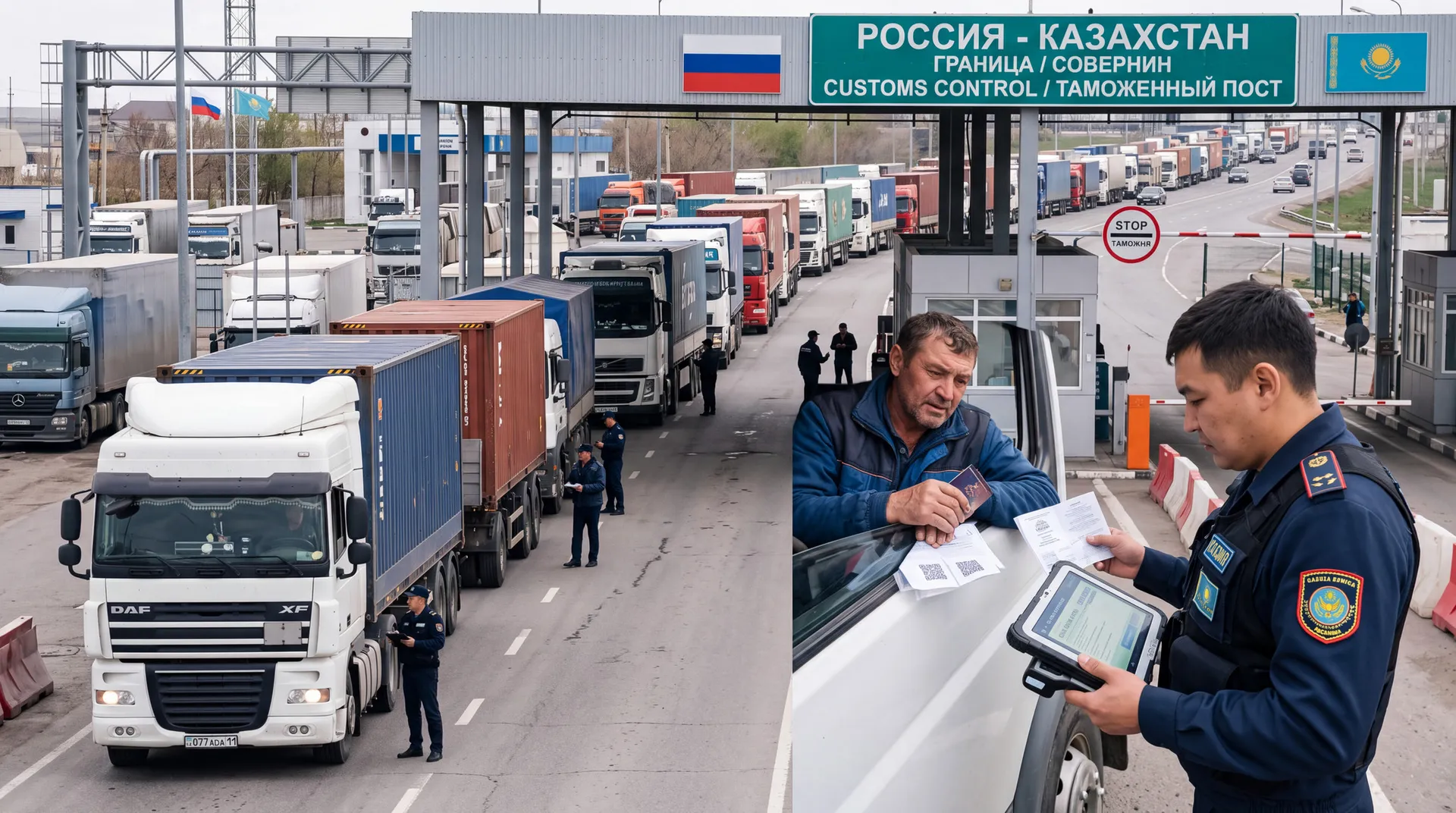
The launch took place in Astana at the VIII International Transport and Logistics Business Forum New Silk Way. e-CMR is a digital analogue of a paper consignment note: customs authorities receive information about the cargo automatically, without manual input, and the time to cross the border is reduced by several hours.
The project has been preparing for almost two years. All five EAEU member states have agreed on a single electronic consignment note format, technological approaches to document exchange between national operators, and mutual recognition of electronic signatures. Russia and Kazakhstan became the first pair to switch to practical application.
"We see how electronic document management is becoming the foundation for the development of modern cargo logistics. Since September 1, 2026, electronic registration of transport documents in Russia has become mandatory for road, rail and aviation transport. The further vector of development is international transportation. The success of this pilot project will pave the way for the expansion of e-CMR to all countries of the Union and set a precedent for cooperation with neighboring regions," said Boris Tashimov, Deputy Head of the Ministry of Transport of the Russian Federation.
The practical consequences are already obvious for carriers and cargo owners. Automatic transmission of data to customs removes one of the main sources of delays — the queue for paperwork. The risks associated with errors when filling out the invoice manually also disappear: a discrepancy in one number or letter can stop the cargo for a day.
Since September 1, 2026, electronic registration of transport documents in Russia has become mandatory for road, rail and aviation transport. The pilot with Kazakhstan is the next step: the proven mechanism is planned to be replicated to the rest of the EAEU countries, and then extended to neighboring regions outside the union.
Companies that regularly ship goods on the Russia—Kazakhstan route should already clarify with their carriers and customs representatives their readiness to work with e-CMR: technical requirements for the format and procedure for exchanging documents have been agreed at the EAEU level.
Related materials:
- Russia and Azerbaijan launch conditions for e-CMR in road transportation — which country has Russia already prepared e-CMR with before Kazakhstan
- Mashtakovo checkpoint to be expanded from 10 to 36 lanes by 2028 — how will the capacity on the border with Kazakhstan change
- Why cargo may be delayed between the BRICS countries and how to avoid it — due to which errors in the documents the cargo gets stuck at the border