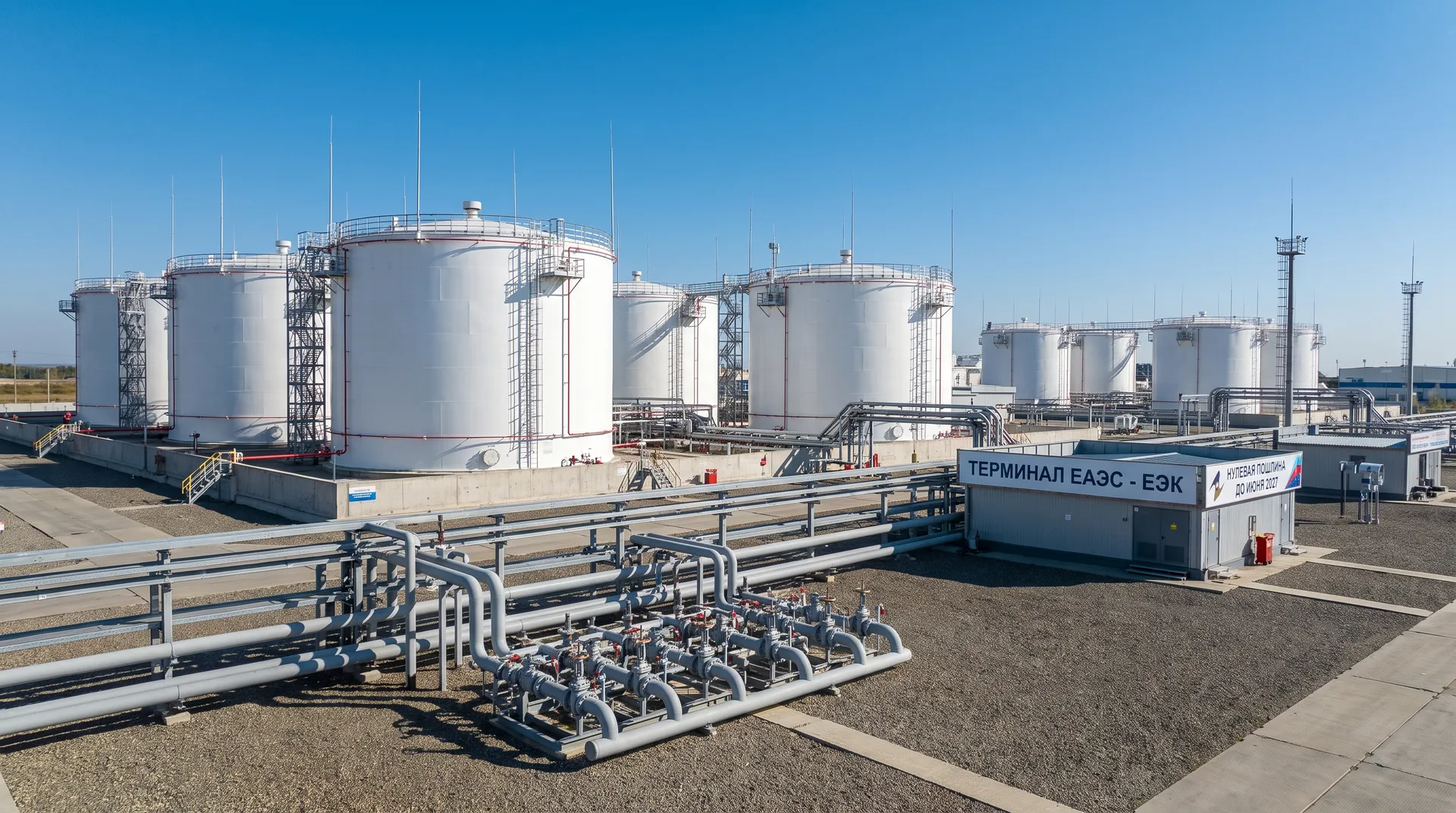
The previous decision ended on June 30, 2026. Several member States of the Union have simultaneously submitted extension initiatives. The EEC "promptly worked them out and brought them to a common denominator," as Trade Minister Andrei Slepnev said. There was no gap between the expiration of the old privilege and the entry of the new one.
The decision of the EEC Council No. 69 dated July 1, 2026 extends the regime until June 30, 2027. The list includes: motor gasoline of all brands, diesel fuel, jet fuel, marine fuel, other gas oils, as well as additives to automotive gasoline — the last item was added this time for the first time.
Without a zero rate, fuel imports to the EAEU are subject to a 5% duty. At first glance, it's not much, but in terms of actual supply volumes — several million tons per year — savings for the market amount to billions of rubles. That is why the benefit is periodically extended: to remove it during the peak demand season means immediately putting pressure on domestic prices.
For companies operating in logistics with their own transport fleet or purchasing fuels and lubricants for storage, production, and transportation: the cost of fuel imported into the EAEU from third countries will not change until at least the summer of 2027.
A separate point is gasoline additives. A number of industries in the EAEU import them to improve the quality of motor fuels. Now the duty has been reset for them, which was not previously part of similar decisions. This is a small but practically significant expansion of the preferential list for the chemical and oil refining industries.