Wildberries has launched an analytical AI assistant for all sellers of the platform. The new tool is integrated into the marketplace ecosystem and works directly inside the seller's personal account. The platform relies on automation of analytics and gradually turns AI into a mandatory working tool for trading on marketplaces.
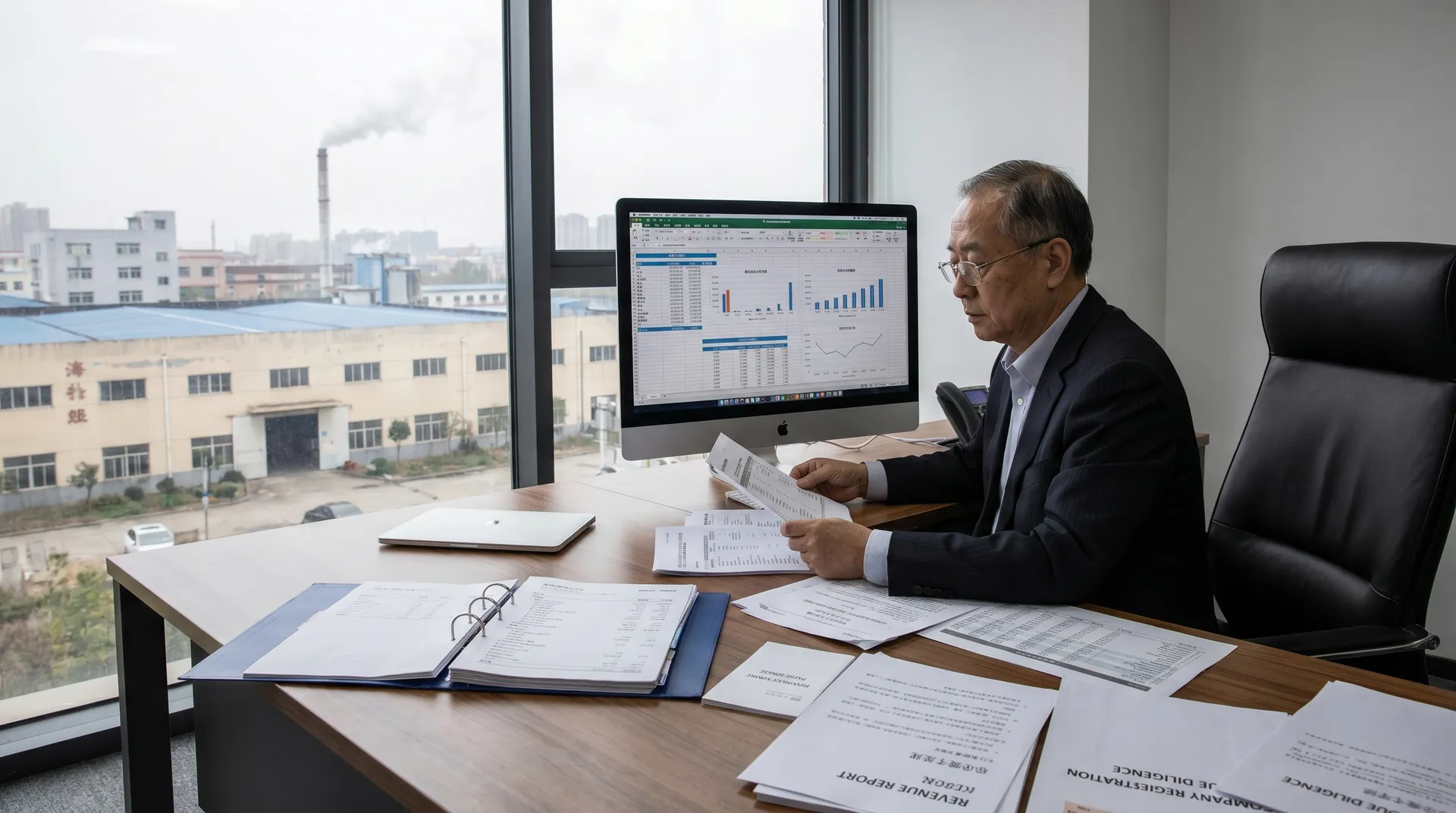
The assistant helps sellers analyze key business indicators: sales, orders, balances, category dynamics, and product effectiveness. Instead of manually uploading tables and searching for data for a long time inside the cabinet, the user can receive ready-made answers and summaries through the AI interface.
Wildberries follows the path of large international platforms, where analytics and AI become part of the basic infrastructure of the seller. Competition within marketplaces has increased dramatically, and the amount of data has long exceeded the possibilities of manual management. For many sellers, the problem is no longer access to statistics, but the speed of its processing and decision-making.
The AI assistant should close this gap. Sellers will be able to quickly track the drop in demand, changes in orders, the effectiveness of cards and the movement of goods. The tool will be especially useful for small and medium-sized businesses that do not have their own team of analysts.
The platform is gradually shifting the seller's work model towards data-driven trading. Previously, it was enough for the seller to load the product and maintain deliveries. Companies that can quickly analyze demand, manage balances, control advertising, and quickly change their sales strategy are now winning.
The launch of the AI assistant shows another market trend: marketplaces are starting to compete not only with logistics and traffic, but with the quality of internal digital services for sellers. A platform that provides a seller with stronger analytics and automation gets an additional advantage in the fight for business.
This is the beginning of a new stage for the e-commerce market. AI is gradually becoming a standard part of the marketplace infrastructure, along with logistics, advertising, and fulfillment. Following the platform's analytics, automatic pricing, AI demand forecasting, product card generation, and intelligent supply management will begin to be more actively implemented.
Sellers will have to adapt to this speed. Companies that continue to operate according to the old model with manual analytics and slow decision-making will increasingly lose out to those who use AI as a daily sales management tool.