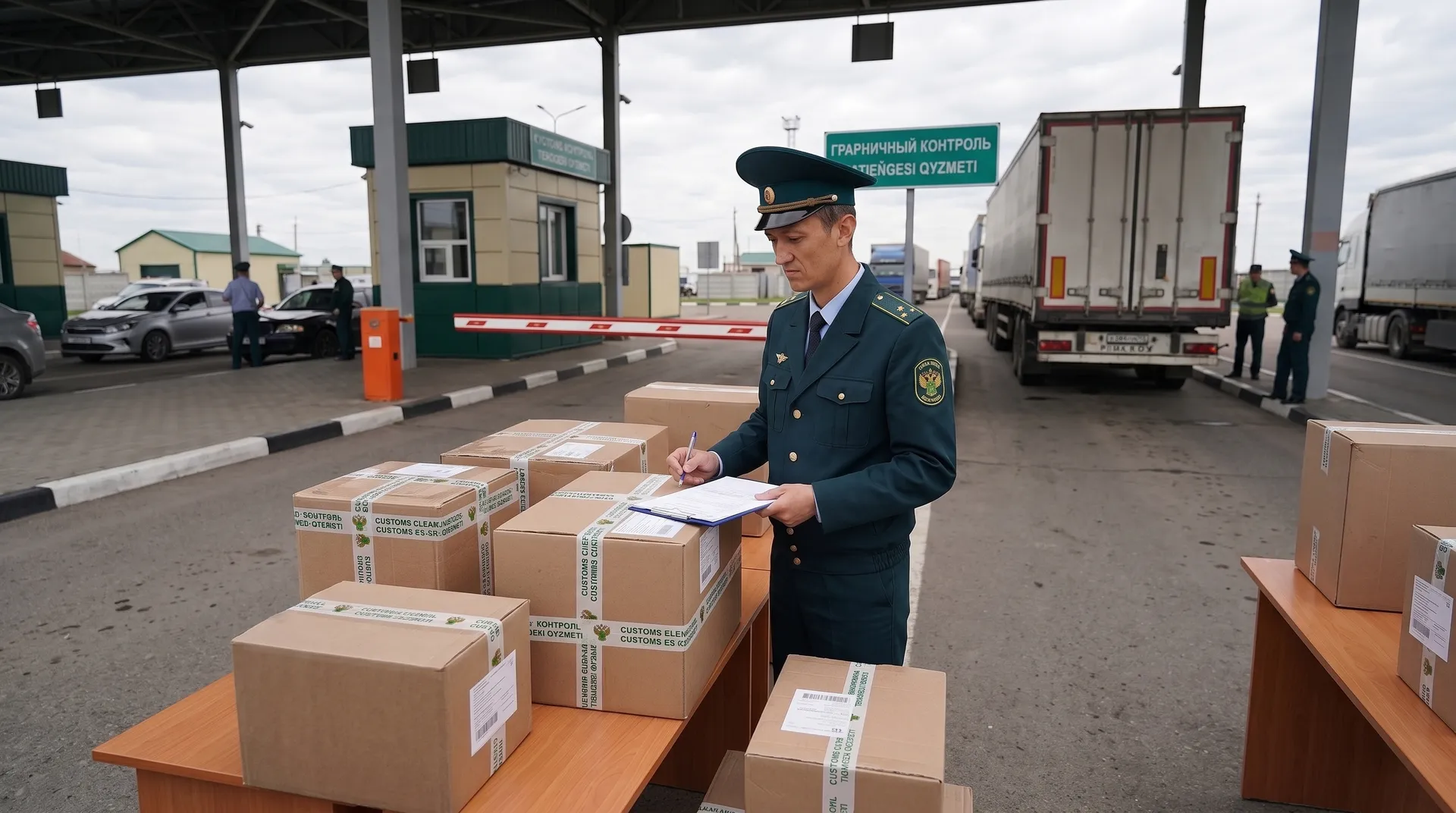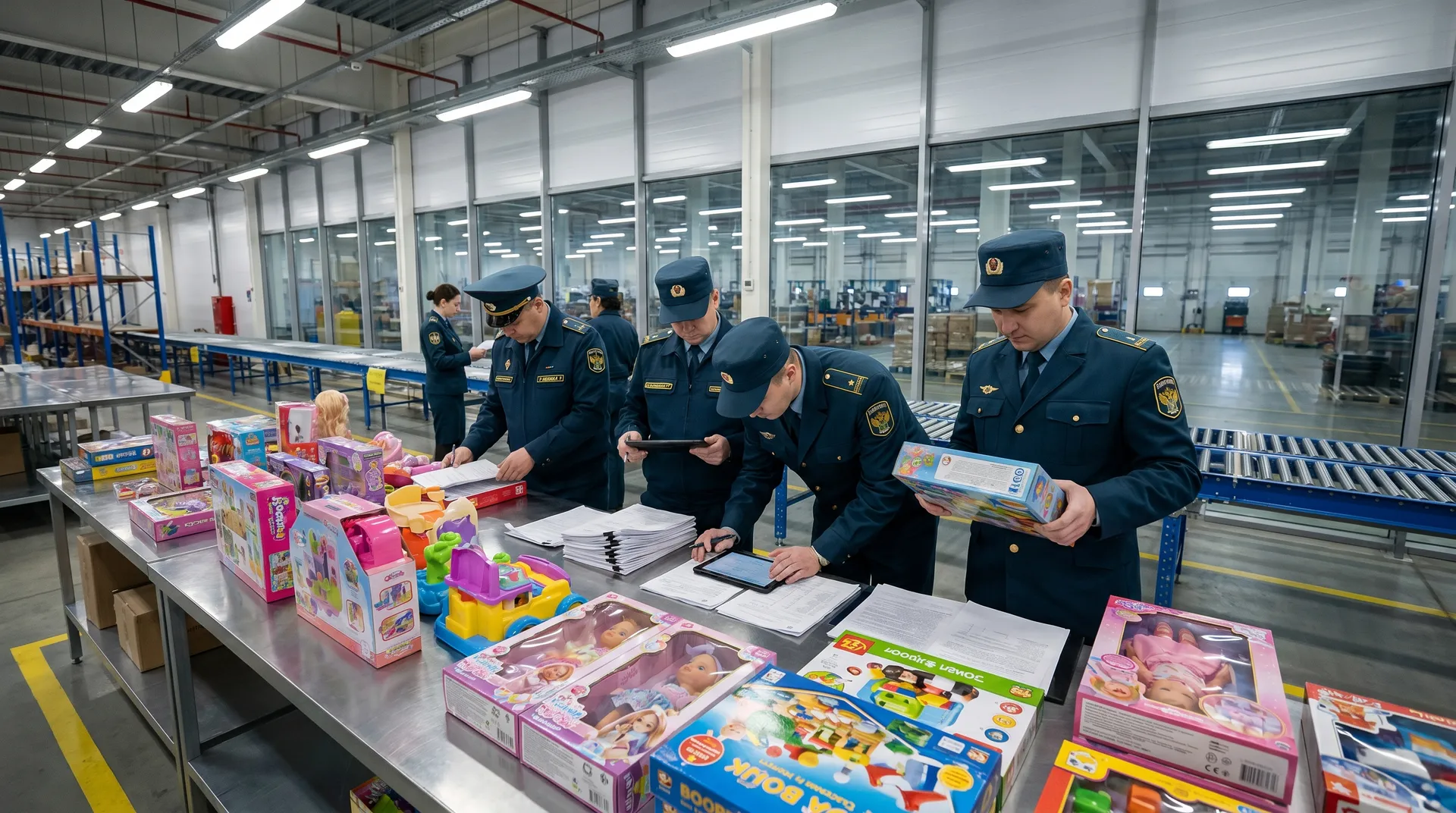
Children's goods are one of the most regulated categories in Russian imports. The list of mandatory documents is longer than that of most other consumer groups, HS codes often cause disputes with customs, and from 2022-2023, the mandatory marking "Honest Mark" was added. The FCS Working Group, which held an on—site meeting at the Congress, is not a new structure, but the fact that it works in an off-site format with market participants is significant in itself.
What is a working group and why is it needed?
A working group on improving the customs administration of children's goods has been established under the Federal Customs Service to address specific practical issues.: controversial HS codes, document requirements when moving across the EAEU border, and interaction with certification authorities.
Field meetings at industry congresses are a way to collect complaints and suggestions directly from those involved in importation. Not through appeals and letters, but through direct dialogue. This format usually precedes either methodological explanations or changes in the design procedure.
Why baby products are a special category
Importers of children's products operate under several parallel regulatory requirements.
- Certification. Most children's products fall under the technical regulations of the Customs Union TR CU 007/2011 "On the safety of products intended for children and adolescents." This is one of the most stringent EAEU regulations: tests are mandatory, and the list of exceptions is minimal. A certificate or declaration of conformity is a mandatory document for customs clearance.
- Marking. Since 2024, children's products have been included in the Honest Sign system. Labeling is already mandatory for some categories, while for others it is a transitional period. The importer is obliged to label the goods before they are put into circulation, which means either before crossing the border or in a temporary storage warehouse. Both options create logistical and operational difficulties.
- HS codes. Children's products cover a huge range of codes: from toys (group 95) to children's clothing (group 61-62), from strollers (8715) to baby food (group 04, 19, 21). The rates of duties, requirements for documents and sanitary control vary significantly. An error in the code is an additional charge, a delay in the shipment, and in the worst case, an order to return the goods.
What was discussed at the meeting
The detailed agenda of the meeting has not been publicly disclosed, which is typical for FCS working events. However, by the nature of the format — on—site, at the congress of the industry - we can assume several topics that are regularly raised by importers of children's goods.
The first is the registration of goods imported through the EAEU countries. Some of the toys and clothes go to Russia through Kazakhstan or Belarus: there are different rates, different registration practices. The issues of recognition of foreign certificates and the rules of transit through the EAEU remain relevant.
The second is the interaction of customs with the labeling system. When the "Fair Mark" was only introduced for some categories, practical conflicts arose: the customs released the goods, but the labeling system did not accept them, or vice versa. Now most of the technical problems have been solved, but the question remains about the marking procedure for batches that are physically located on the SVH.
The third is the classification of new categories. Children's gadgets, smart toys, educational devices with screens are borderline cases between the category of "toys" and "electronics". Both the duty and the list of documents depend on where the customs will take the goods.
Context: children's goods market and import
According to the Association of the Children's Goods Industry, the Russian market for children's products is estimated at about 1.5–1.7 trillion rubles per year. A significant part of the product range is imported, primarily from China. This makes the customs clearance of children's goods one of the most massive operations in retail imports.
After 2022, the situation became more complicated: some Western brands withdrew from the market or reduced supplies, the market shifted to Asian manufacturers, and new logistics schemes appeared through third countries. The FCS Working Group is working in this context — it sees a real burden on customs posts and can adjust the practice of registration to the changed flow.
What to expect for importers
If the working group gathers feedback, the changes will come. Historically, such meetings end with one of three results: a methodical letter from the Federal Customs Service with explanations on controversial issues, a change in the order of registration of specific categories, or a proposal to the EEC to clarify tariff positions at the EAEU level.
There is only one practical conclusion for importers of children's goods: now is a good time to send specific problems with registration to industry associations or directly to the congress site. The working group is working, and market participants are expected to provide substantive cases, not general complaints.
It is worth monitoring the release of explanations and orders from the Federal Customs Service for the children's category in the next month or two: it is during this period that the regulator usually publishes the resulting documents after field meetings.