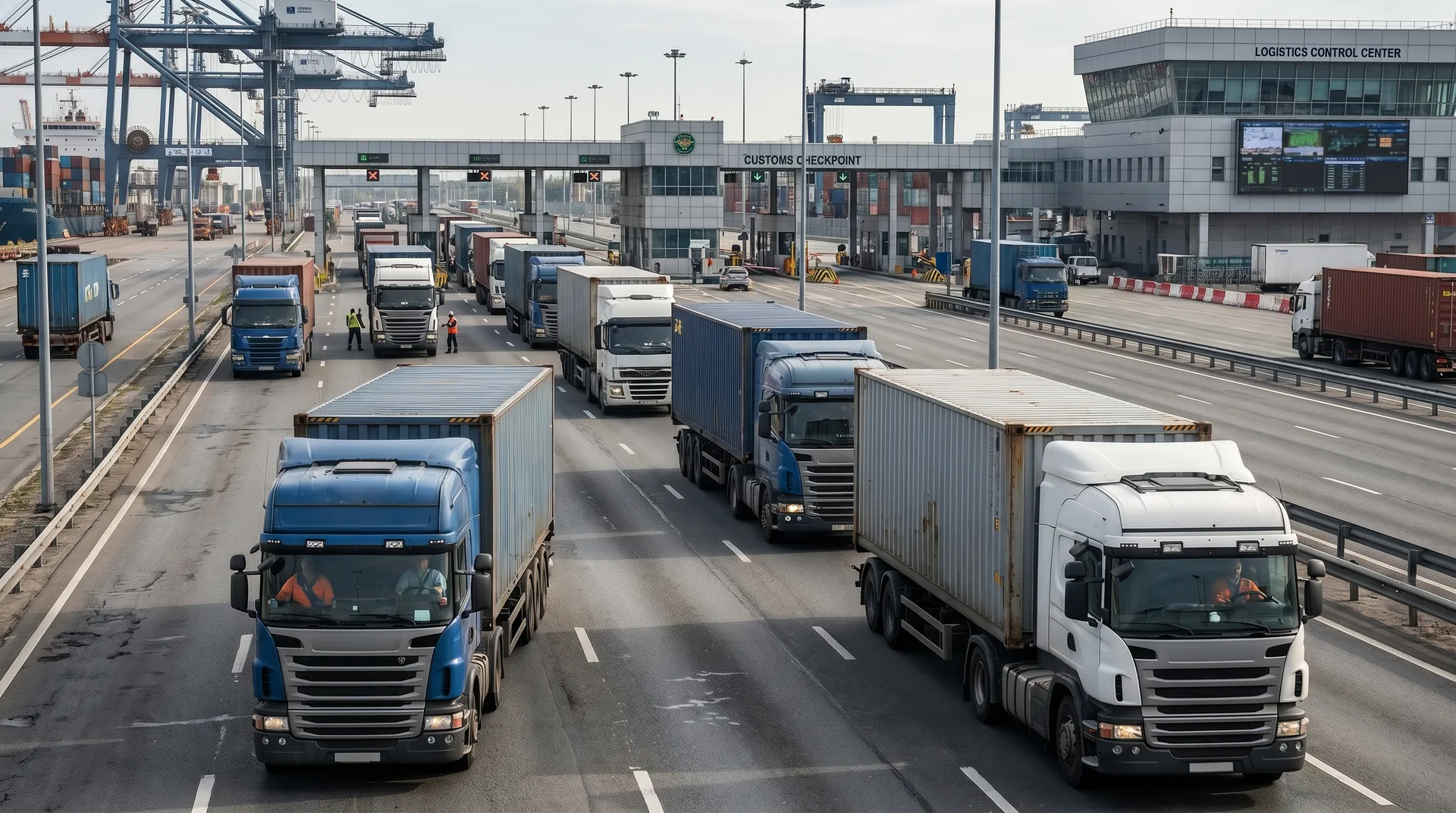
Global logistics accelerates the transition to a new structure of transport corridors. Companies are increasingly redistributing cargo between sea and land routes, trying to reduce the risks of delays, port congestion and instability in key international destinations.
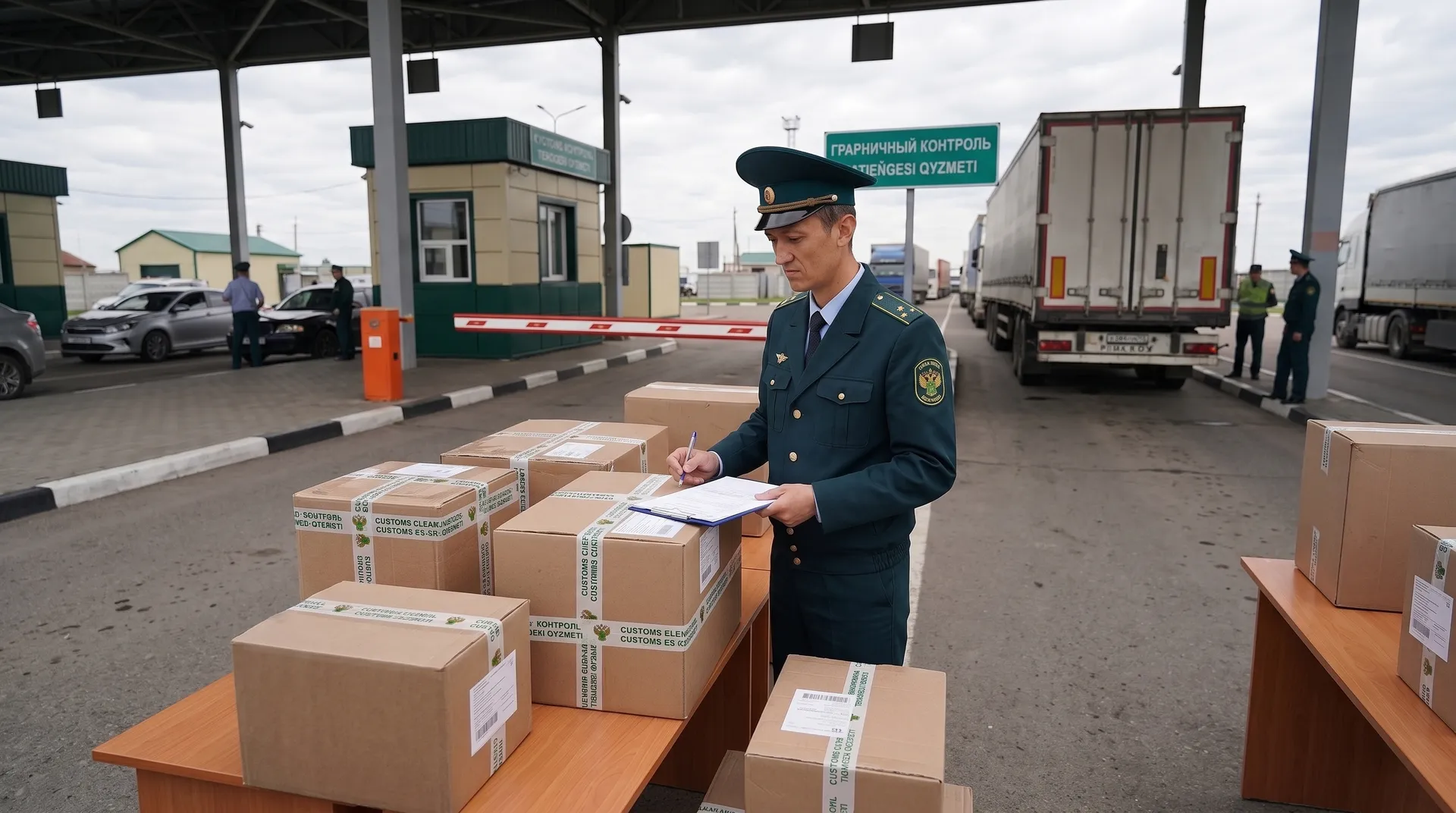
The changes are most noticeable in Eurasia. Rail and road corridors through Central Asia, the Caucasus, Iran and South Asian countries are gradually turning from auxiliary routes into a full-fledged part of global trade. Businesses are increasingly considering them as a working alternative to long sea chains.
Logistics operators are changing their strategy due to several factors at the same time. Pressure on sea routes remains: delivery times are unstable, shipping costs remain sensitive to geopolitics, and overloading of the port infrastructure periodically causes supply disruptions. Against this background, land corridors are starting to gain in terms of speed and predictability.
Interest in routes through Iran and the international North–South corridor is growing especially rapidly. Russian companies are expanding their presence in the southern direction and are gradually forming new delivery chains to India, the Persian Gulf countries and South Asia. For operators, these are no longer test routes, but part of regular logistics.
In parallel, the importance of multimodal schemes is increasing. Cargo increasingly travels in a combined manner — via railways, motor transport and offshore sections at the same time. This model allows you to quickly adjust supplies to changes in tariffs, restrictions, or infrastructure congestion.
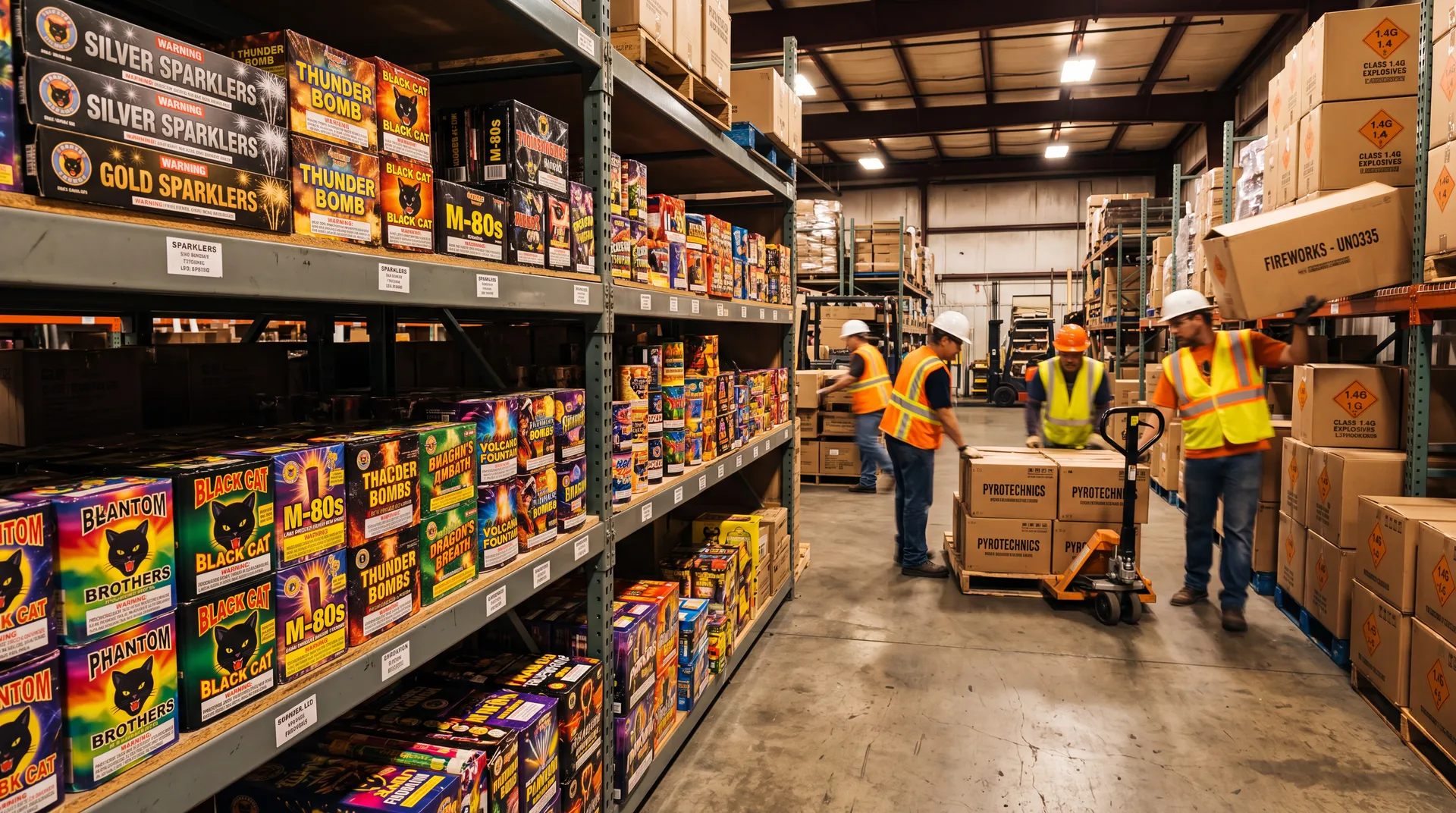
The logistics market is also changing within Russia. Transportation companies are increasing investments in warehouses, terminals, transshipment sites and digital cargo flow control. Businesses need an infrastructure that allows them to quickly switch routes and reduce container downtime.
The growing importance of land logistics is also affecting international competition. The countries through which the new transport corridors pass have the opportunity to strengthen their role in world trade. Central Asia, the Caucasus and the Middle East are gradually becoming key transit zones between Europe, Russia, India and China.
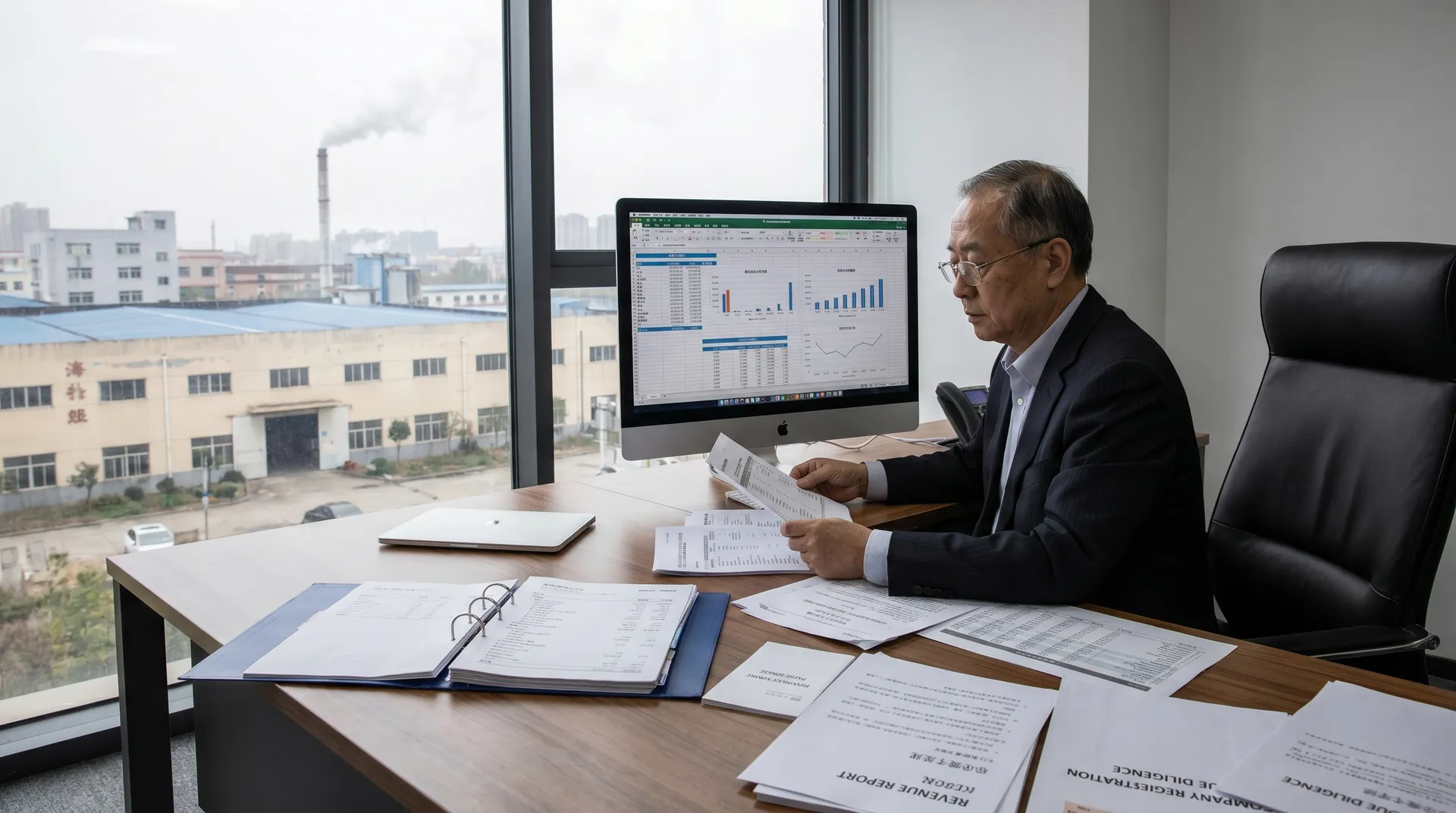
For exporters and importers, the main issue now is related to the stability of routes. Companies are less likely to rely on just one supply line. Most operators are already building several logistics scenarios at once in order to quickly respond to changes in transportation costs, delivery times, and the political situation on the route.
A new global logistics structure is being formed right now. Routes that give businesses speed, predictability, and the ability to quickly rebuild supply chains without stopping trading win.