The Russian government has approved a concept for the development of the unmanned cargo transportation market. The document sets out a basic strategy for the launch of autonomous transport on federal highways and the gradual introduction of unmanned logistics in commercial transportation.
The market for self-driving trucks in Russia has already left the experimental stage. The technologies are being tested on the M-11 highway between Moscow and St. Petersburg, and transport companies are gradually preparing the infrastructure for regular autonomous flights. Now the state is beginning to form a full-fledged system of regulation and development of the industry.
The concept covers several areas at once: digital infrastructure, traffic safety, regulatory framework, telecommunications, communication systems and preparation of transport corridors for unmanned traffic. The government actually recognizes autonomous logistics as a separate segment of the transport market.
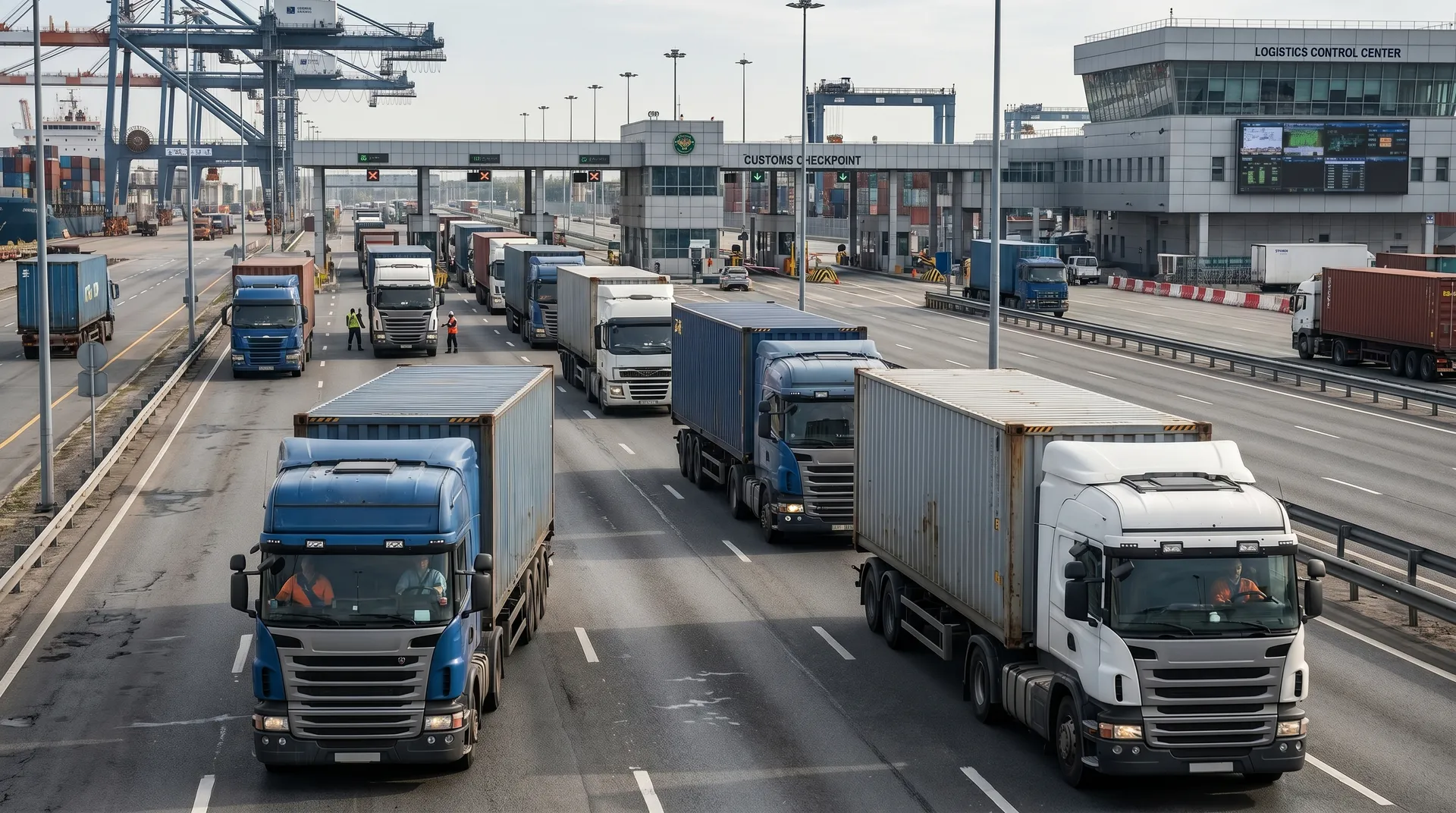
The main calculation is related to the shortage of personnel and the growth of cargo traffic. The logistics industry has been facing a shortage of drivers on main routes for several years. Unmanned transportation is seen as a way to reduce the burden on the labor market and increase the capacity of transport corridors.
Transportation companies expect autonomous trucks to have another effect — cost reduction. Unmanned systems make it possible to optimize fuel consumption, reduce downtime and increase the continuous operation time of vehicles. On long trunk routes, this can seriously change the economics of transportation.
The infrastructure part of the project is becoming key. For the full-fledged operation of unmanned vehicles, digital routes, stable communications, navigation systems, intelligent road complexes and a unified data exchange environment are needed. Without this, autonomous columns will not be able to operate in an industrial mode.
Russia relies on a phased implementation model. At first, the drones will operate on limited logistics corridors with highly predictable routes. We are talking about federal highways between major transport hubs and distribution centers.
Marketplaces and large logistics operators are showing special interest in the project. For e-commerce, the speed of delivery and the cost of trunk transportation are becoming a critical factor in competition. Autonomous trucks can dramatically change the cost structure of long-distance routes between warehouses and sorting centers.
At the same time, competition between countries for leadership in autonomous logistics is growing. China, the United States, and several Middle Eastern countries are already investing billions of dollars in self-driving transportation systems. Russia is trying to integrate into this market through the development of its own technologies and transport corridors.
Freight transportation is gradually becoming one of the fastest digitalizing sectors of the economy. After warehouse automation, routing, and logistics analytics, the market is moving to the next stage — the autonomous movement of goods between key transport hubs.