






A draft federal law No. 1308850-8 has been submitted to the State Duma, which postpones the launch of the debt restructuring procedure for legal entities until January 1, 2027. The current version of the bankruptcy law makes it available from July 27, 2027 - the amendment reduces the wait by almost seven months.
The procedure itself appeared in the legislation recently: it was introduced by Federal Law No. 253-FZ of 07.26.2026. The point is to give the company the opportunity to restore solvency and settle debts under the restructuring plan instead of reselling assets. The procedure can be introduced at the request of the debtor himself or the bankruptcy creditor.
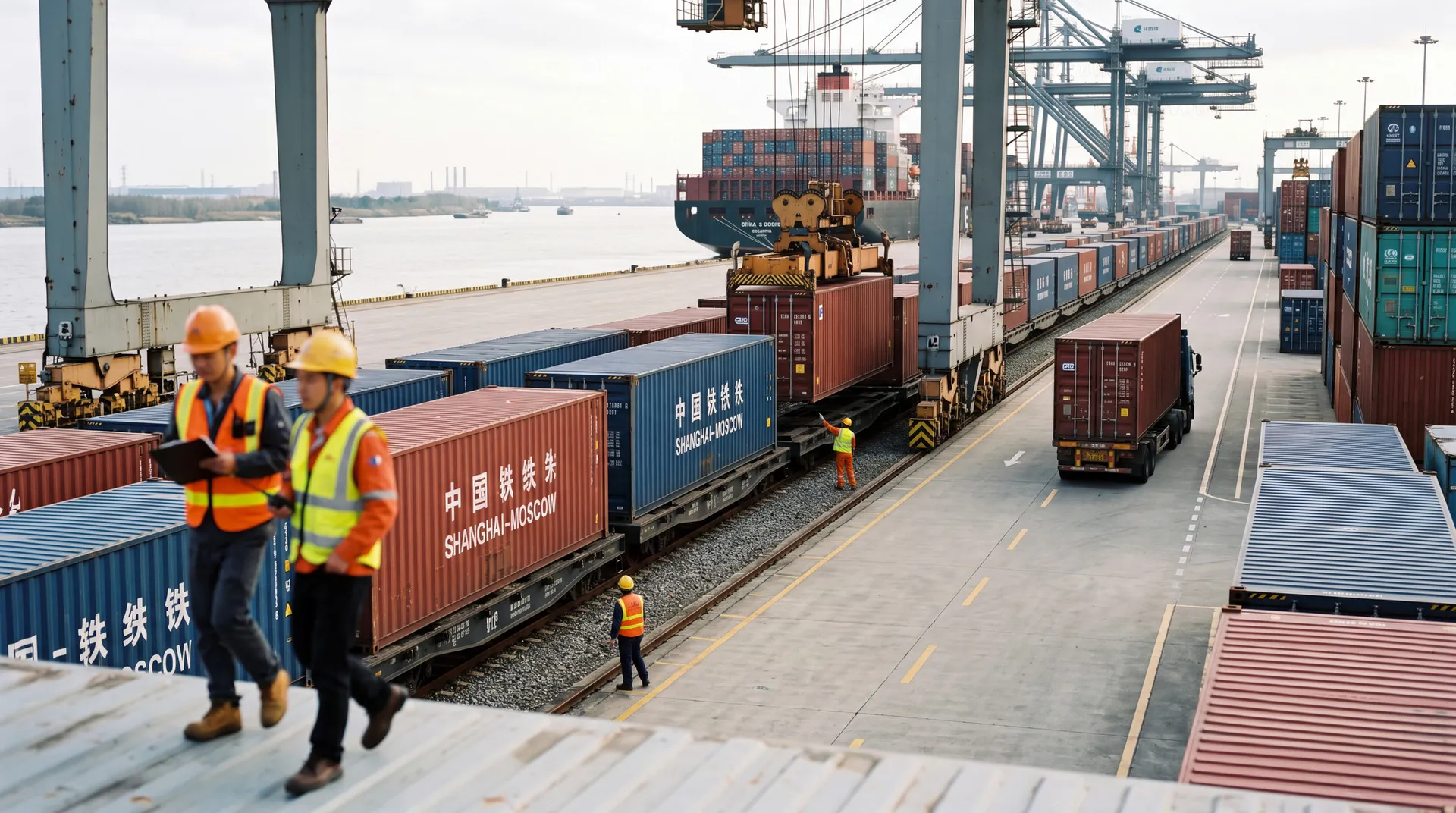
For importers and logistics companies, the topic is closer than it seems. Cash gaps in these industries are structural: money is spent on prepayment to the supplier, customs payments and freight long before the goods turn into revenue. One disrupted contract, a blocked batch, or delayed payments from the site — and obligations to the bank and counterparties run into an empty account. So far, in such a situation, the choice has been between out-of-court arrangements and bankruptcy proceedings.
Postponing the date changes the planning horizon. For a company that expects to make it to July 2027, it now makes sense to consider the scenario from January.
What a business should do. Track the progress of the project: while it is an amendment, the law has not been adopted, and the date may change again. Companies with a cash gap or heavy debt burden should assess in advance whether their situation meets the criteria of the procedure and what needs to be prepared for the restructuring plan. Creditors should take into account that they also have the right to initiate the procedure.
Similar materials on the website
- The Ministry of Finance is working on tax deferrals for WB sellers, the second tool against the cash gap that is currently being discussed
- Wildberries granted a reprieve on loans to affected sellers — how the debt load is unloaded on the site side