The Union of Marketplace Sellers appealed to the government with a proposal to reduce tariffs for affected sellers both according to the FBO scheme, in which the goods are stored in the warehouse of the site, and according to FBS, where the goods are stored by the seller. According to the association, tariffs for these services vary by 5-15% in certain categories, depending on the product.
The reduction is proposed for at least six months after the resumption of sales. The second point of the letter is the cancellation of platform discounts, due to which the platform generates the price on the showcase.
The union's argument is that current tariffs hinder the development of sellers' own warehouses and increase business dependence on the logistics of the largest sites. When the entire turnover goes through the marketplace infrastructure, the seller does not have the resource for an alternative storage scheme — and any incident hits the entire balance at once.
Andrey Pasinkov, President of the Union of Marketplace Sellers, estimates the workload in numbers.
"When a marketplace charges 5%, 10%, or even 20%, it's within the normal range. When the total commission amount is 70-80% of the showcase price, this is already too much. Plus, the increased commissions allow you to use the discount of a regular customer. The seller must raise the price of his product five to ten times in order to earn something," he says.
According to him, an adequate level would be a rate of 10-15%, which is an average value according to world practice. He himself started in 2021 with a 17% commission in his category, now pays 55% of the category commission, and the price tag has increased 3.5 times.
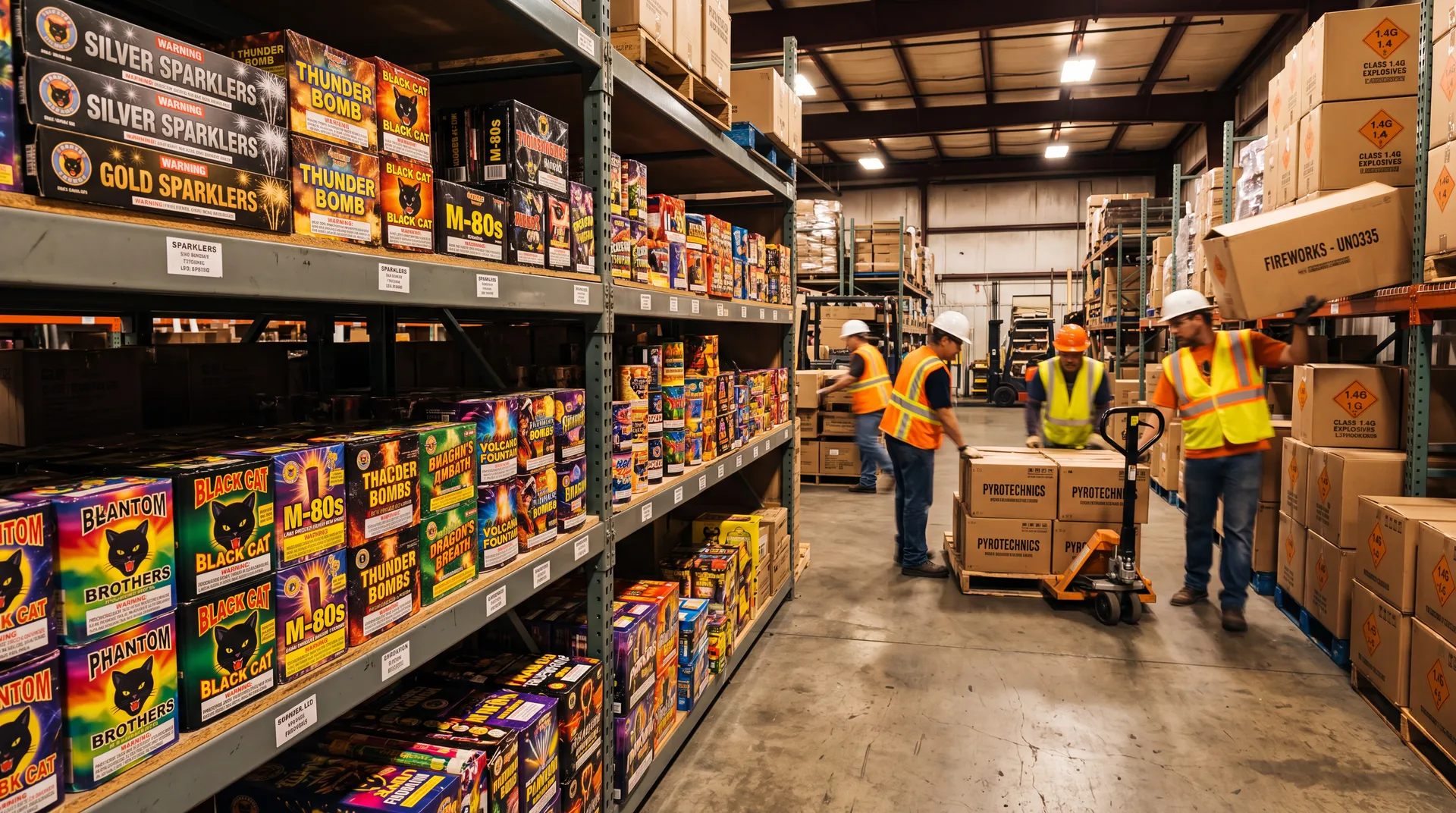
Data Insight analysts estimate the scale of losses: as of August 5, about 25.6–29.6% of the warehouse infrastructure of the site was affected, more than 16% was completely lost, and the cost of goods in these warehouses is estimated at 415.4–479.8 billion rubles.
The government's press service reported that the appeal was sent to the Ministry of Economy to work out proposals.
What the seller should do. There is no decision yet, but the direction of the discussion is clear: tariffs and platform discounts are on the government's agenda at the same time as tax deferrals, which are being worked out by the Ministry of Finance. Affected sellers should document both the volume of losses and the current tariff burden — both figures will be needed if the support mechanism is operational.
Similar materials on the website
- The Ministry of Finance is working on tax deferrals for WB sellers, the second support measure on the same government agenda.
- Ozon canceled the increase in commissions, locality — from August 30 — how platforms move tariffs against the background of the discussion