





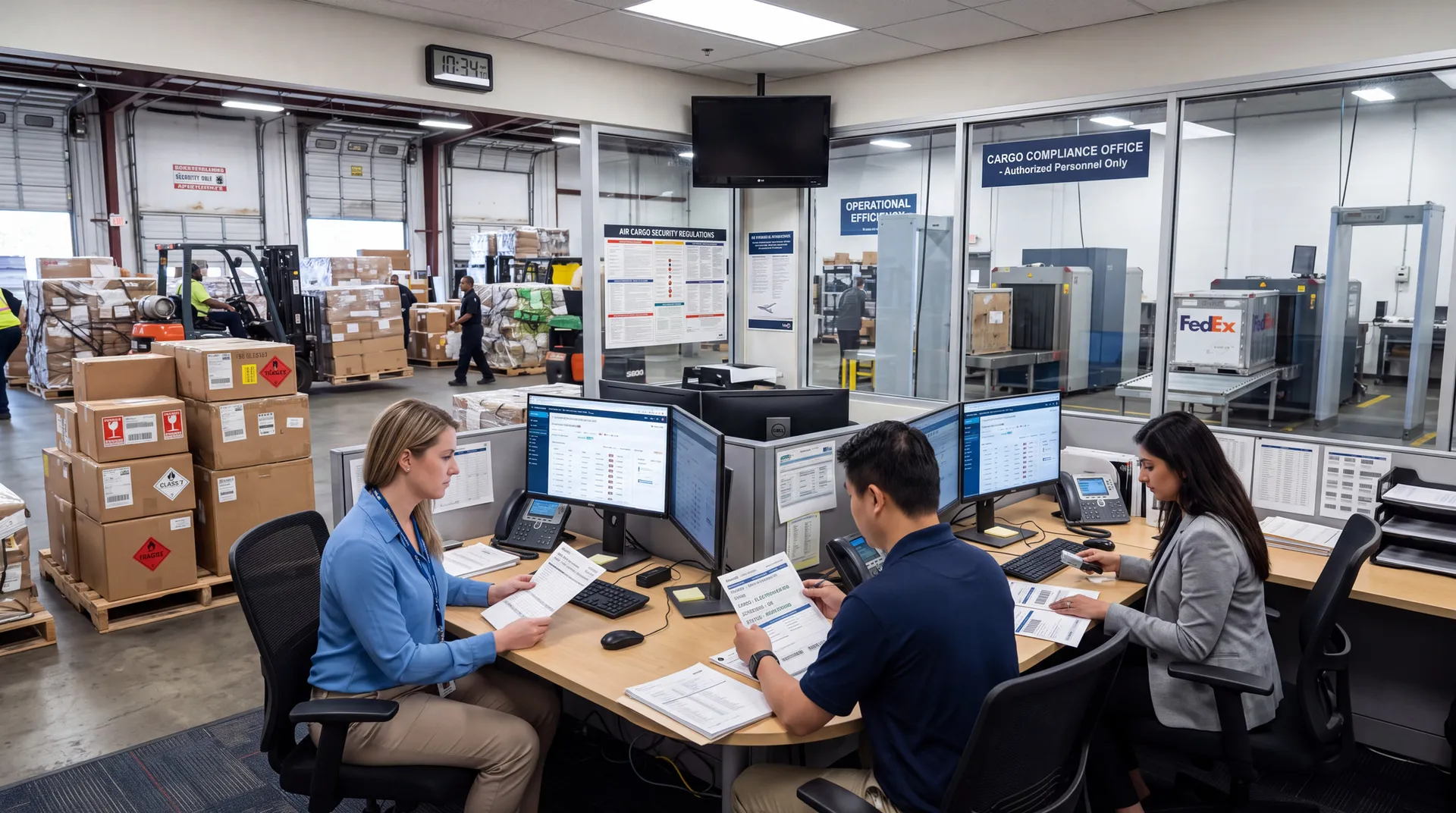
The platform is based on Pandora Intelligence, a Dutch SaaS provider that Rotate acquired earlier this year. After the deal, the company completely rewrote the software: updated the technology stack, redesigned the interface and added new process blocks. Testing is already underway with one of the major air cargo carriers based on real data from air waybills.
The main difference from standard solutions is contextual screening. The system compares the participants of the shipment with the sanctions lists not in isolation, but together with the description of the cargo, route and other characteristics of a particular shipment. According to the developers, this allows you to more accurately identify risks and stop legitimate shipments less often.
Fabien Baluse, Vice President and head of product, explained the logic: "We sat next to the compliance analysts and watched where their time was going. Most of it was spent on proving that the shipment was not a problem. Rotate Compliance is designed to return this time by analyzing every attribute of the shipment, not just the name on the sanctions list."
Rotate CEO Ryan Keyrose outlined the company's strategic position: "For years, Rotate has helped airlines make more informed commercial decisions through market data, software, and strategic consulting. Compliance is a natural next step: it is at the center of every shipment, and the freight teams have clearly formulated to us what they need from such software."
For participants in international cargo chains — freight forwarders, air carriers, agents — this means the emergence of a specialized tool that is integrated directly into operational processes, rather than requiring a separate compliance department to process each case. The company provides competitive pricing due to the lower cost structure that arose during the redesign of the platform architecture.
The product roadmap includes integration with cargo management systems and expansion of the target audience: in addition to airlines, Rotate plans to adapt the platform for freight forwarders. Taking into account the growing sanctions pressure on cross-border shipments and stricter requirements for due diligence, this segment is becoming one of the most actively developing in the digital infrastructure of air cargo transportation.
Related news:
- The air cargo market is moving away from long—term contracts: a bet on flexibility - why carriers and customers refuse long-term contracts
- Air freight from Hong Kong to Europe has risen in price by 8.8% over the year — how air freight rates from Asia are changing
- Banks require companies to explain the purchase of USDT — how banks verify transactions with USDT
- The Central Bank introduces 33 criteria for checking e—wallets - by what criteria does the Central Bank check e-wallets