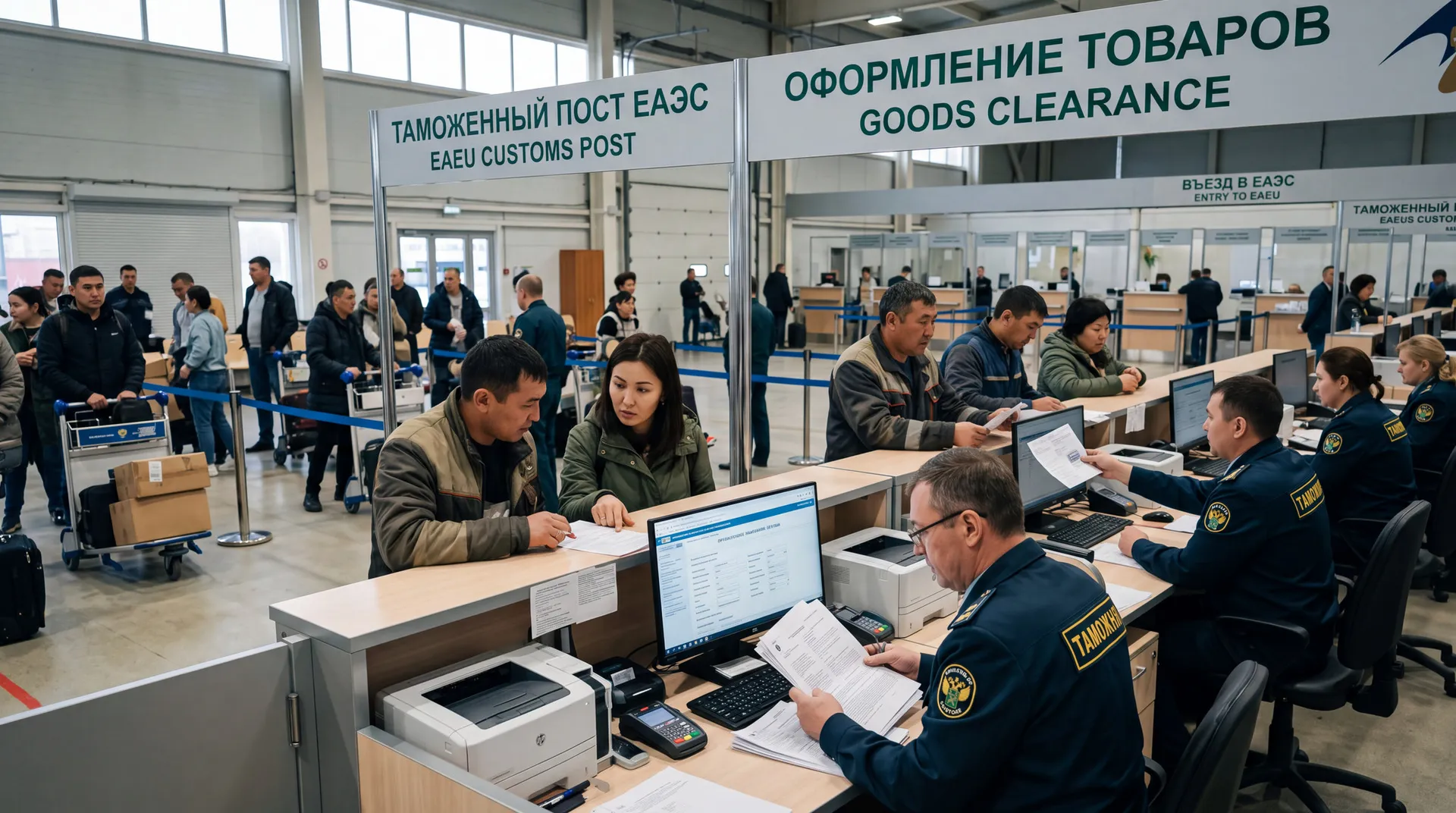
Adjusting the customs value is one of the most painful subjects for any importer. The mechanism works like this: the declarant declares the value of the goods on the basis of the contract, and the customs has the right to doubt this figure if it seems to be underestimated relative to market indicators, and to require additional evidence or adjust the value independently, adding duty and VAT.
The problem is that the law does not provide an exhaustive list of documents that are considered sufficient evidence of the validity of the stated price. This creates a space for a subjective assessment by a particular inspector and, consequently, for numerous legal disputes when the company considers the additional charge to be unjustified.
The Supreme Court's clarifications close some of this uncertainty, forming a unified position of the supreme court on an issue that was previously resolved differently in different regions and by different composition of courts. For the judicial system as a whole, such clarifications become a guideline: lower courts and the customs authorities themselves, when considering similar disputes, will now correlate their position with the formulations of the Supreme Court.
The practical value of a document for a business is not in a theoretical clarification of a legal norm, but in a specific tool for defending its position. Companies that have previously faced additional charges due to disputed customs value or are preparing for a possible dispute over current supplies receive a clearer guideline: which documents and justifications the Supreme Court recognizes as sufficient, and which arguments of the customs, on the contrary, do not stand up to scrutiny at the highest level.
For companies with active disputes over customs value adjustments, it makes sense to request an up—to-date clarification analysis from a legal consultant or customs broker in relation to their specific situation - the court's position can significantly strengthen the arguments in the current case if applied in a timely manner, before making a final decision.