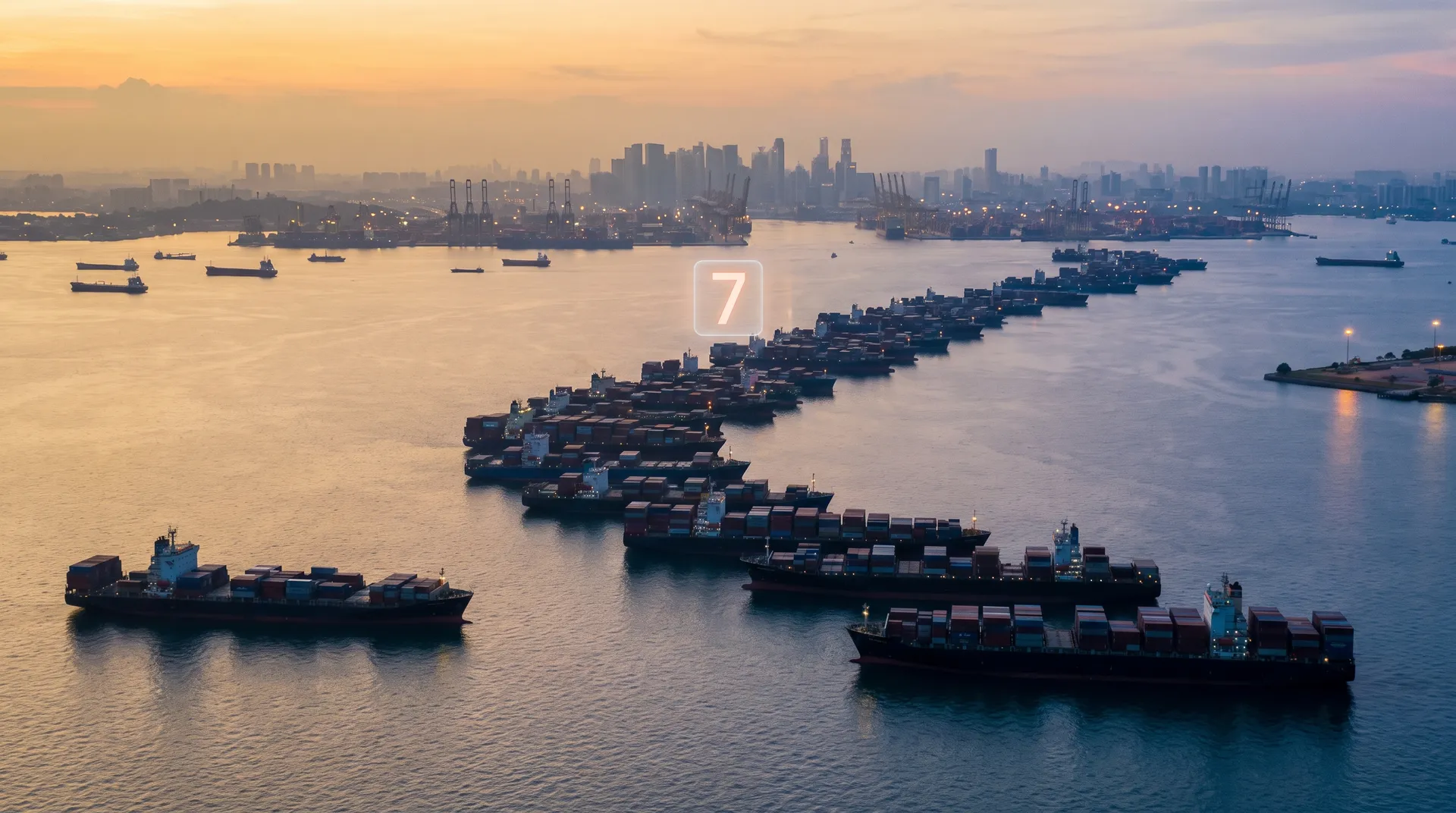
Singapore occupies a unique position in the global container logistics industry — most routes between Asia, Europe and the Middle East pass through this port in one way or another as a transit point for transshipment of goods between ocean and regional lines. It is this role that makes the port particularly sensitive to any disruptions in global supply chains.
The seven—day wait is not a local problem in Singapore, but an indicator of systemic congestion in the logistics network of the entire region. When the conflict in the Persian Gulf creates uncertainty on direct routes through Hormuz, some shipping companies rearrange schedules and routes, concentrating more traffic on alternative hubs — and Singapore, as the region's largest hub, takes the brunt of this redistribution.
The chain reaction of the logistics crisis works predictably: delays at one major transit hub spread further along the entire network of connected routes. Cargo stuck in the unloading queue in Singapore delays the ship's schedule for the next stage of the route, which in turn creates delays in other destinations where the ship was scheduled to arrive.
For companies whose shipments pass through Singapore as a transshipment point on their way to or from Russia, regardless of whether a particular route is directly connected to the Persian Gulf, a seven—day delay means that delivery dates must be reviewed as early as this week. The timing calculation, based on the normal operation of the port, no longer corresponds to reality.
A practical step for logistics departments is to add an additional week to the standard Singapore transit deadline when planning deliveries for the next month, and notify end customers of a possible deadline shift in advance, rather than after the fact when there is an actual delay. For time-critical shipments, it is worth considering alternative transit hubs in the region, even if this means a temporary increase in transportation costs.