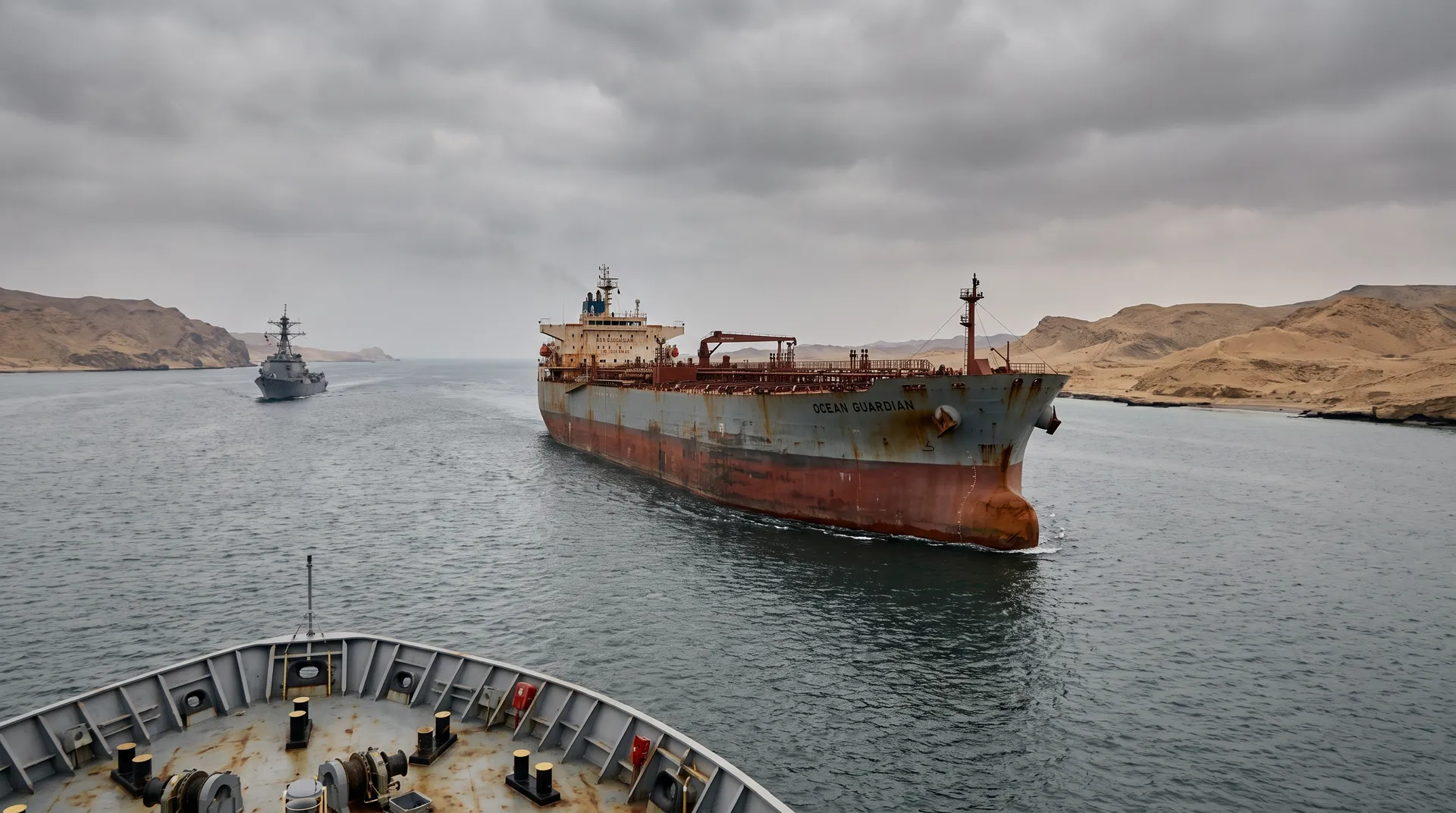
A fourteen—fold increase is not a gradual rise in price, but a jump that reflects the real assessment of risk by marine insurers at a time of maximum geopolitical tension. War Risk Premium, an additional insurance premium for passing through high—risk war zones, reacts to changes in the situation much faster than official statements and negotiation rounds - the insurance market puts risk into the price before the situation receives an official assessment from governments.
In parallel with the growth of insurance premiums, another potential cost source appears on the map. Oman, whose territorial waters border the southern part of the Strait of Hormuz, is considering introducing its own fees for navigation services, regardless of the Iranian initiative on service fees, which was discussed earlier. If both the Iranian and Omani initiatives are implemented simultaneously, ships passing through the strait may face a multi—layered system of fees from different coastal states.
For shipping companies and shippers, a fourteen—fold increase in insurance premiums is already a fait accompli, which is reflected in current freight rates right now, rather than in a theoretical forecast for the future. Any new delivery through the region that is confirmed today carries this surcharge in the actual cost of transportation.
A practical conclusion for companies with logistics across the Persian Gulf is to recalculate the cost of transportation based on current insurance premiums before confirming each new shipment, rather than relying on figures from contracts concluded a few weeks ago during a period of relative stabilization. With such premium volatility, fixing the tariff for a long period becomes risky for both the carrier and the shipper — both sides benefit from shorter contract cycles tied to the current insurance rate until the situation stabilizes.