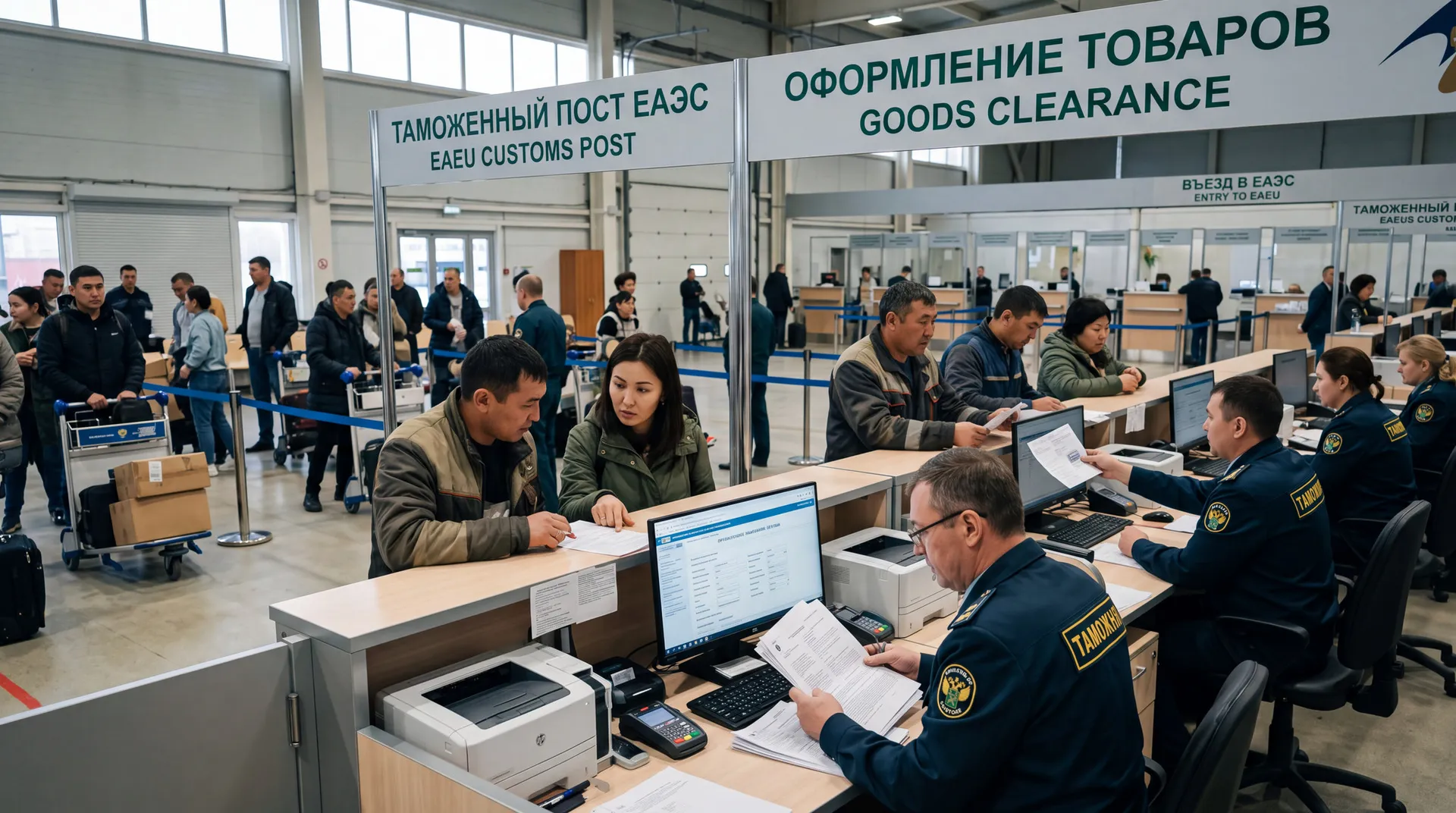
VAT for the 1st quarter of 2026: the Federal Tax Service has increased checks on exports and imports
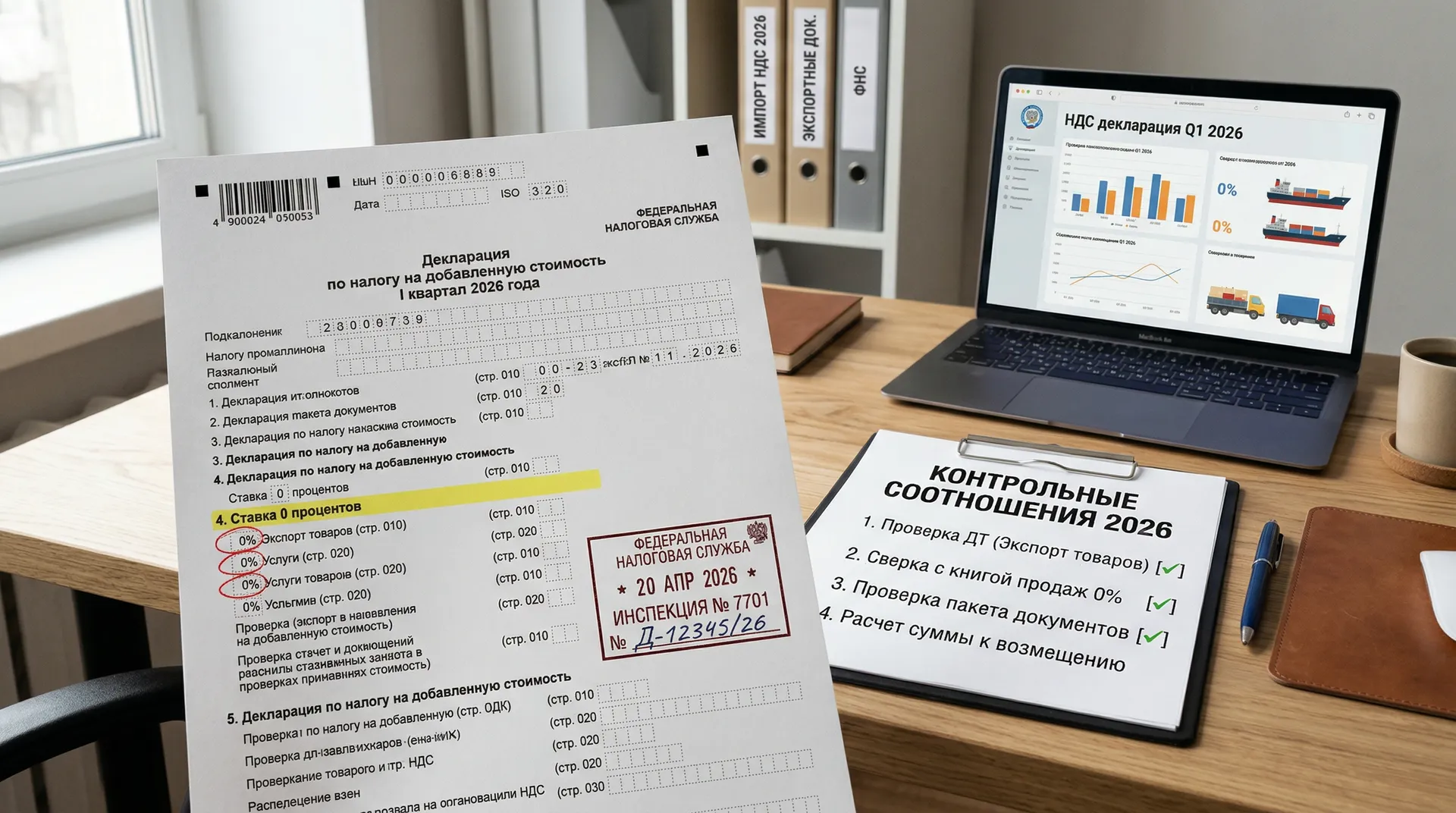
The key effect for businesses is an increase in the likelihood of automatic discrepancies specifically in foreign trade transactions. Exports are traditionally associated with a zero rate and a supporting package of documents, while imports often result in significant deductions for "import" VAT. When the control ratios are updated, the triggers that trigger the requirements for explanations and requests for supporting documents within the framework of the desk check change.
Special attention in the new control logic is paid to the correctness of the reflection of export transactions in the declaration sections and to the comparability of data along the chain: sales, deductions, advances, adjustments, confirmation of the 0% rate. In practice, this means that even if the taxpayer is actually right, a technical error in accounting or mapping in the accounting system can form a "red flag" for inspection.
It is critically important to run the reporting for the 1st quarter of 2026 through the updated control rules in advance. For companies with a large flow of GTE, customs value adjustments, refunds and recalculations, risk areas are particularly significant: advances and their closure, posting invoices, adjustment documents, as well as the connection of import deductions with primary and registers.
In the application part, this should be translated into the language of action. It is useful for the financial Service and the Foreign economic activity unit to assemble a single control outline: a list of mandatory checks before delivery, control of unloading from the ERP, verification of filling in the "export" and "import" sections, as well as a schedule of quick explanations for desk checks. Desk logic under Article 88 of the Tax Code of the Russian Federation involves requesting explanations in case of discrepancies, so the speed and quality of the response become a risk management factor.
It makes sense for technical teams to update the validation rules in the accounting storefronts and EDI contours. The more control is transferred to the automatic pre-task check, the lower the chance of getting blocking requirements during peak reporting. The "person-task-context-format" approach for internal checklists and IT requests helps to consolidate changes in processes faster.