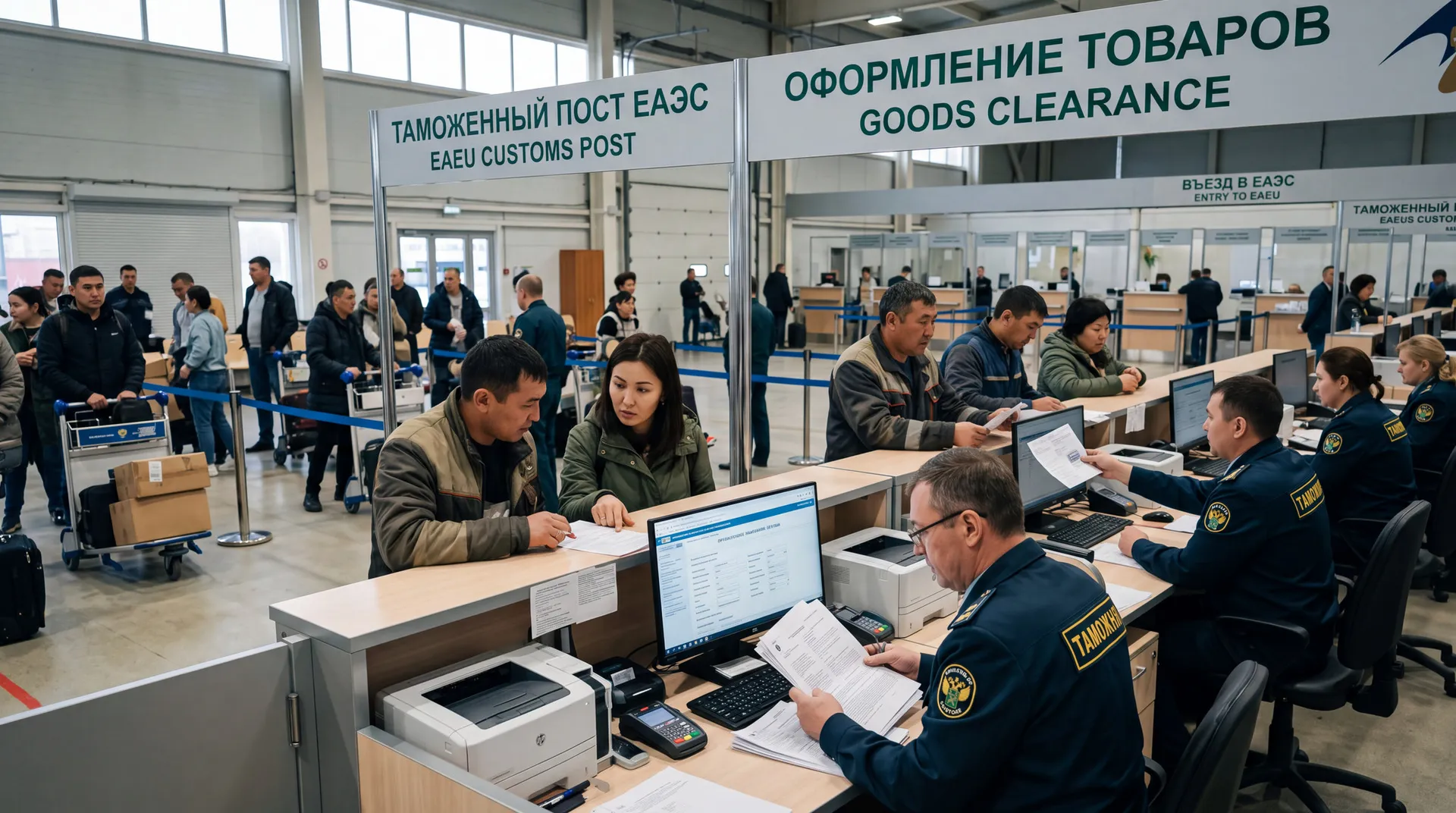
Starting from April 1, 2026, a SPOT will be introduced: trucks will not be allowed to pass without a QR code
The SPOT is built around three pillars: a document about the upcoming delivery, a security payment and a QR code as a digital identifier of the confirmed delivery. The document is submitted by the importer or intermediary, who then declares indirect taxes. The direction of the document is provided in advance, two days before import, with details separately for each shipment.
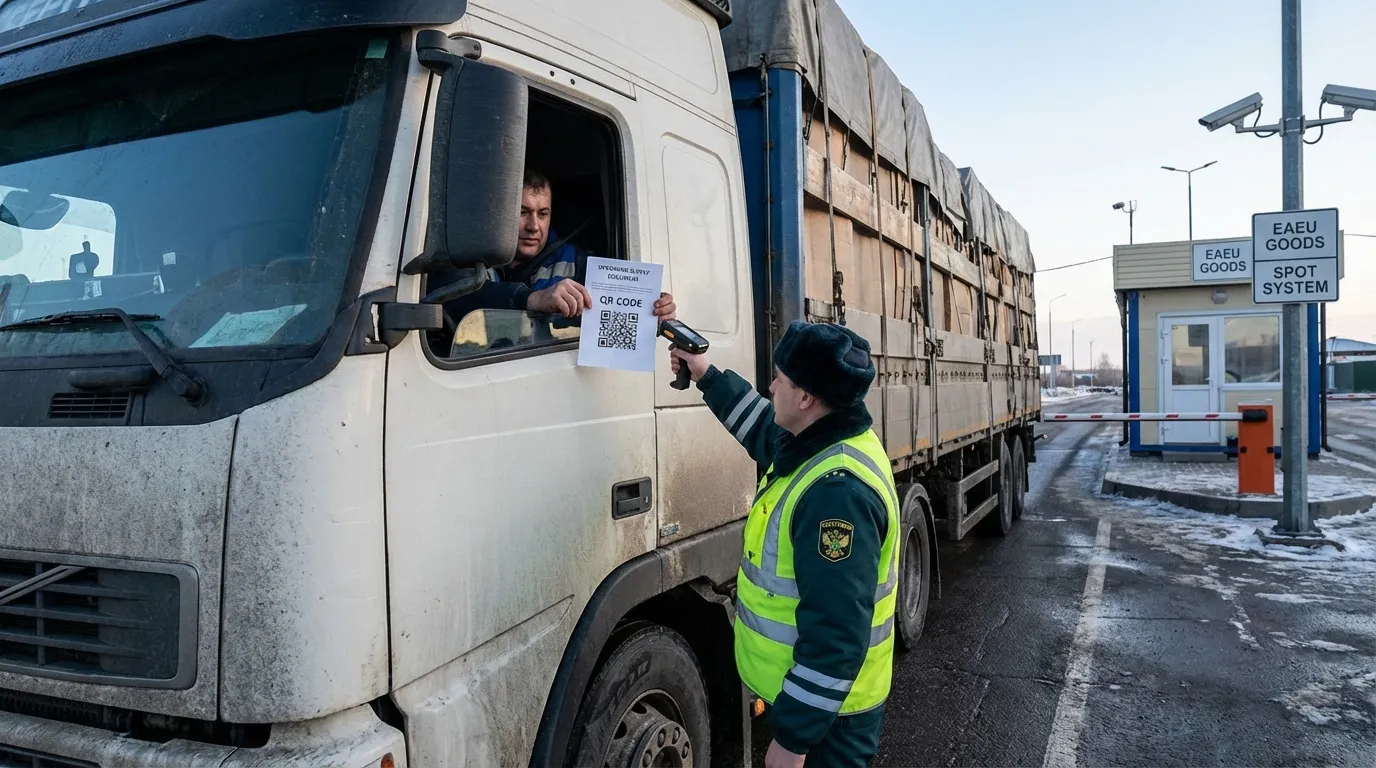
For the carrier, this turns into a new mandatory checklist before departure: the presence of a QR code, the matching of information in the delivery document and shipping documents, the current status of the confirmation. Verification of the status is possible by scanning the QR code and clicking on the link; admission to import is linked to the "Secured" status.
It is important to consider the stages of implementation. In the pilot mode, control begins on April 1, 2026 and focuses on the fact of the availability of the delivery document. A security payment is not required in the pilot, then it becomes mandatory from July 2026. In the absence of a document and a QR code, the entry of a car with goods will not be allowed.
For participants in foreign economic activity, the practical recommendation sounds tough and useful: the "cargo owner — broker —carrier" bundle should work as a single system. An error in one field of the document quickly turns into a simple one at the border, a shift in SLA and direct losses on the flight rate. Therefore, businesses need data exchange regulations, a single inventory directory, details control for each shipment, and a quick correction channel until arrival at the checkpoint.