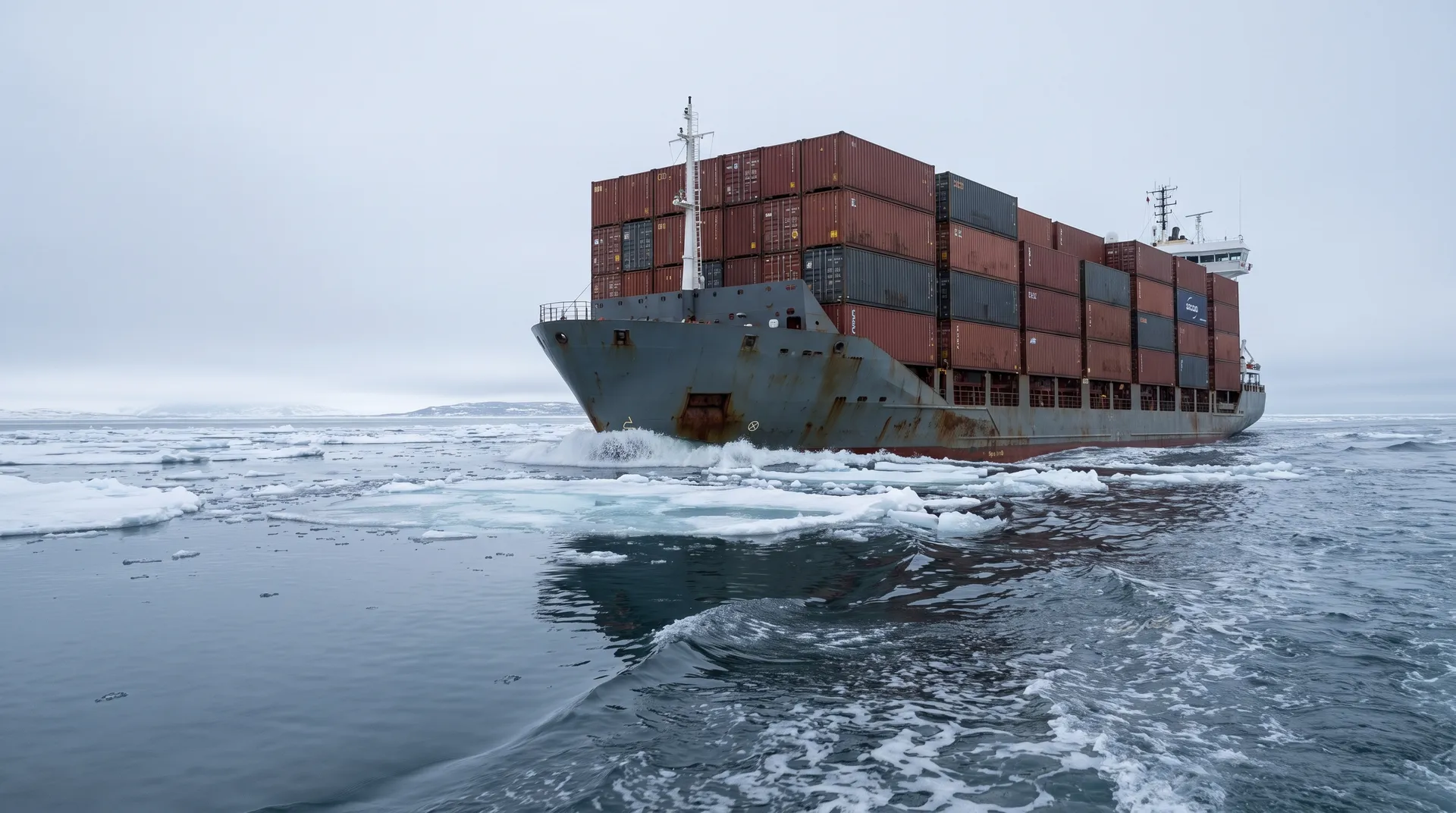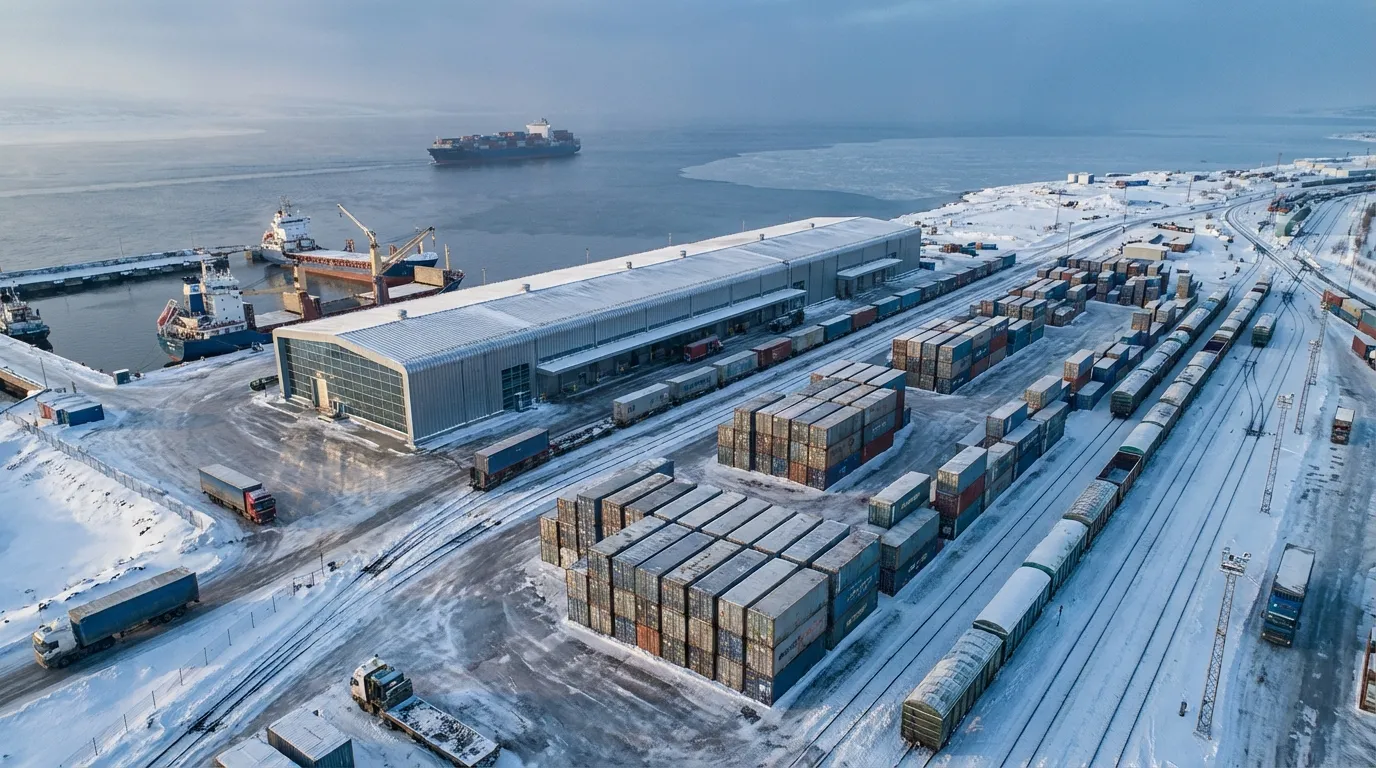
Infrastructure development continues along the Northern Sea Route, including the construction of multimodal logistics centers. This was announced by the First Deputy Minister of Transport of Russia Konstantin Pashkov, commenting on the department's approach to the formation of a "customer path" of transportation in the Arctic contour.
The key idea of the project is to connect the sea line with river, road, railway and aviation arms so that the cargo can dock in a predictable mode. Pashkov described the logic of multimodality in a straightforward way:
"We are engaged in infrastructure development. For example, along the rivers that run towards the Northern Sea Route, there is also the construction of multimodal logistics centers at various stages. Multimodal is an opportunity to travel by car, river, plane, railway. This is an opportunity to make a transplant."
A measurable result is important for shippers: deadlines, clear tariff windows, availability of storage facilities, the possibility of consolidating shipments and processing documents at the docking point. Pashkov outlined the target model of the service:
"From door to door, not in words, but to really confirm this possibility, that any product can get to the point that our shipper or passenger needs today."
A separate signal to the market is the assessment of port facilities on the NSR highway. The Ministry of Transport records a surplus of capacity at seaports and considers this to be the basis for the growth of the cargo base and export scenarios.
For foreign economic activity and projects in the BRICS perimeter, the Arctic route is interesting as part of the diversification of the transport map. Companies assess the risks of seasonality, ice wiring, insurance, and fleet availability. The emergence of multimodal centers adds a practical layer: transshipment and distribution by region, the formation of combined shipments, support for northern shipments, and service for industrial goods. This creates a demand for standardized accounting processes, electronic documents, cargo condition monitoring, as well as warehouse infrastructure that operates under climatic restrictions.
It makes sense for businesses to prepare "Arctic" supply profiles in advance: packaging requirements, temperature conditions, delivery schedules in narrow navigation windows, and transport reservation scenarios. Then infrastructure projects along the NSR can move from the level of declarations to the level of managed supply chains.