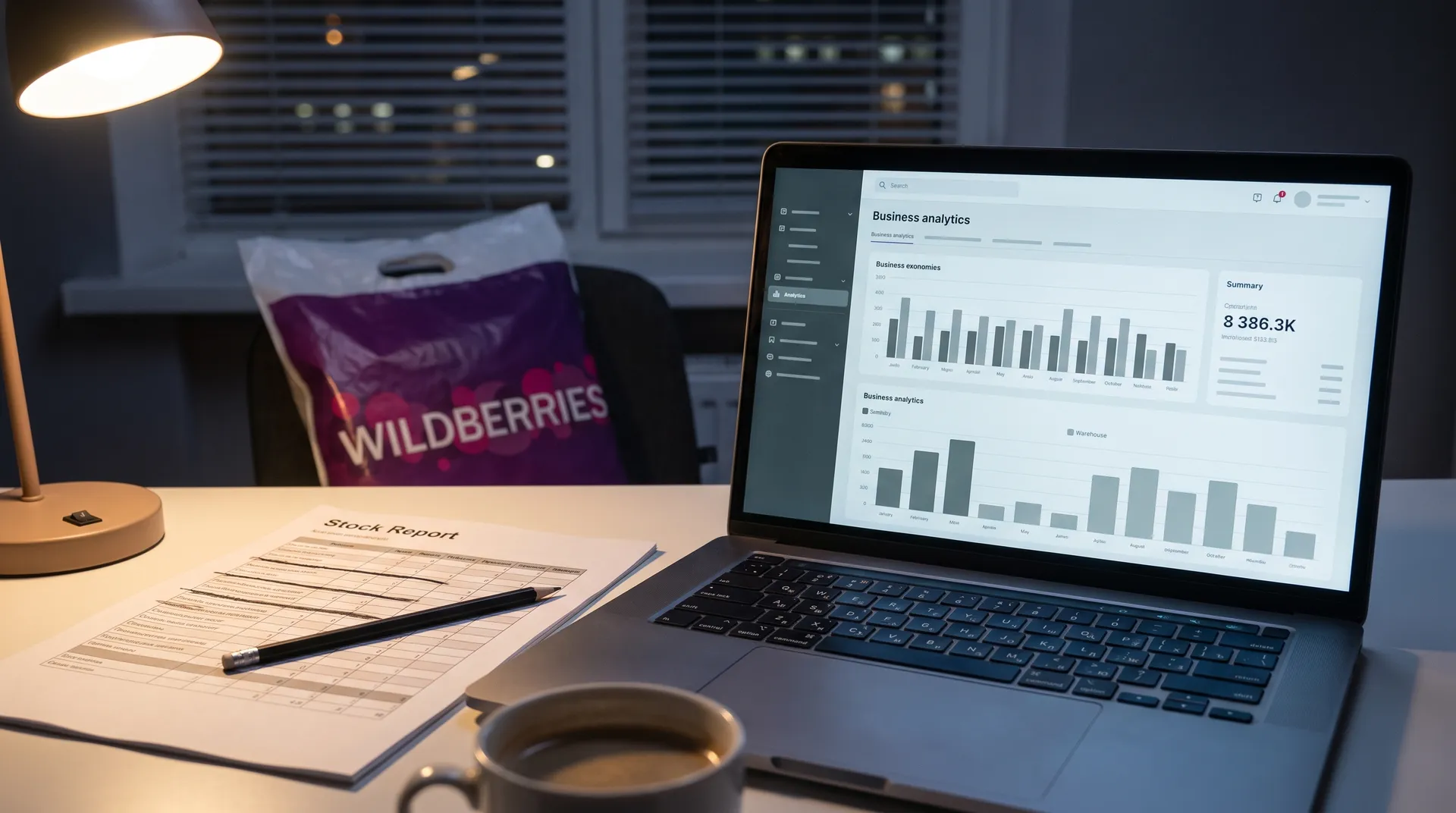
Starting from August 14, 2026, Wildberries stopped showing sellers the breakdown of product balances by individual logistics facilities. Information about specific warehouses disappeared from the analytics and "Goods" sections, including Elektrostal, Krasnodar, SPB Shushary, Simferopol (Molodezhnenskoye) Shopping Center, Penza, Penza SGT, Sarapul, Volgograd, Samara (Novosemeikino) and "Tula."
The changes affected not only the balance sheet. Details have disappeared from the sales funnel, the geography of orders, the profit calculator, the tariff section, the comparison of product cards, and several other sections. Warehouse maps based on the FBO model have become significantly less informative, some of the destinations have disappeared, and in some cases deliveries can now only be made to a sorting center.
The company explained the decision by the security of logistics facilities and the refusal to display them on the warehouse map. Earlier, the marketplace stated that it would not publish addresses and warehouse areas and would limit information about the construction of new facilities.
The second argument of the site is the device of the FBW model. The system distributes goods between objects by itself, so the seller, according to the logic of the marketplace, does not need to choose a specific warehouse and know its location. The total amount of leftovers in the cabinet has been preserved.
For the seller, the decision-making base is changing. Turnover by region, calculation of the re—order point for a specific cluster, estimation of the speed of delivery to the buyer in a particular geography - all this was previously considered based on the breakdown by objects. Now the same calculation has to be based on aggregated site data and on our own accounting of shipments.
The practical set of actions for the coming weeks is as follows. Restore the "delivery date — acceptance object — quantity" link in your own accounting system, relying on primary documents rather than cabinet reports. Transfer procurement planning to the total balance adjusted for the historical demand profile by region. To reassemble the logistics calculation: if the delivery is accepted only to the sorting center, the leverage and cost of delivery to the point of acceptance change, and the tariff in the profit calculator no longer shows this in terms of objects.