The fine was issued in October 2024 by the Shanghai Puto District Market Regulatory Administration in relation to Shanghai Zongzheng Food Co Ltd, the company that operates the official flagship Dove Chocolate store on the Kuaishou short video platform.
The reason was a video posted in August. The main character says: "I asked my boyfriend to give me a Dove chocolate gift set, but he never bought it. Now that the guy's gone, I'll share him with my romantic crush." The video caused a wave of outrage from Chinese users and was deleted after a public scandal.
On August 25, Mars (the owner of the Dove brand) posted an apology on its official Weibo account. The company acknowledged that the clip contained "obvious flaws in presentation and values" that contradict the brand's positioning as a symbol of sincerity, warmth and respect. Dove also reported that the video was produced by an outside team and did not pass proper content review.
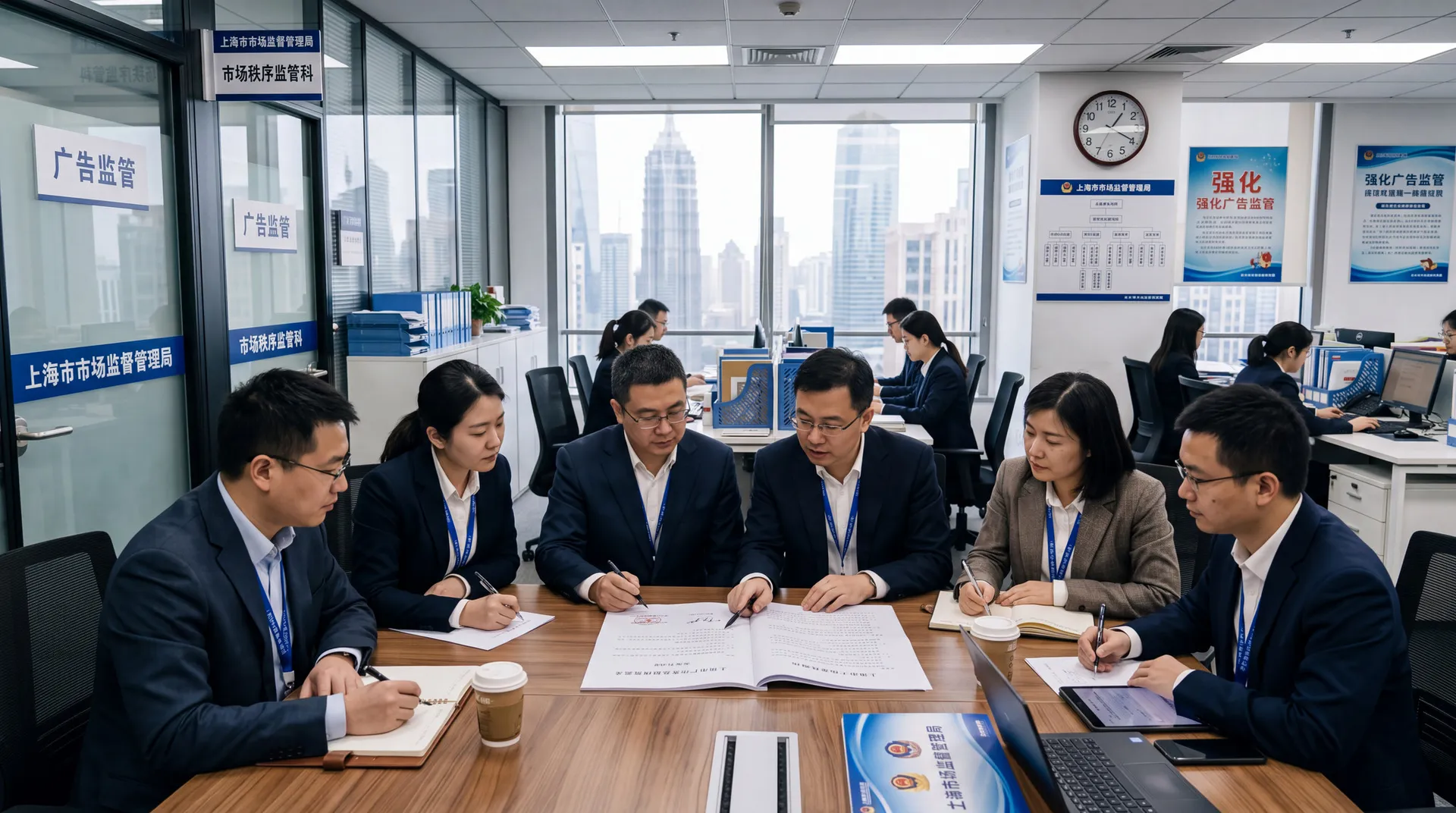
Following the investigation, the Shanghai regulator found that Shanghai Zongzheng Food Co Ltd independently developed, produced and posted the controversial video. The packaging of infidelity in the format of a "sweet experience" was qualified as propaganda of distorted views on love and marriage, contrary to public morality. The basis for the fine is a violation of the relevant legislation of the People's Republic of China on advertising.
The case shows how responsibility works in the Chinese model of working with marketplaces. The official brand account is managed by a local operator, a legal entity registered in China. It is the operator who is administratively responsible for the content, even if it is actually created by a subcontractor. A link to a "third-party manufacturer" does not exempt you from a fine.
For Russian and other foreign companies that sell through Chinese platforms — Kuaishou, Douyin, Tmall — the scheme is the same: the local partner or subsidiary managing the store is directly responsible to the regulator. Contractual separation of responsibilities with the content production agency reduces commercial risks, but does not eliminate administrative ones. The regulator makes claims against the account operator, not the creator of the video.
The amount of the fine — 800,000 yuan — is comparable to the annual marketing budget of an average importer on Chinese platforms. The precedent records that content moderation in official stores on Kuaishou and similar sites is now included in the area of regulatory control, and not just platform policy. Brands working with Chinese distributors based on the store operator model should review the contractual terms regarding the approval and verification of advertising materials before publication.
Related news:
- China adopts law on combating cross—border corruption: 6 chapters, 47 articles - new Chinese law on cross-border corruption
- Fake brand stores have become more active before Black Friday — how fake brand stores use sales
- AI fitting rooms for 200 wholesale knitwear suppliers launched in Puyuan - how Chinese suppliers are implementing digital trading platforms
- Rospotrebnadzor checked Chanel sellers for Ozon and Wildberries: 37% of cards are the results of checking Chanel sellers for Ozon and Wildberries
- Counterfeit on marketplaces: new requirements and risks — new requirements for sales and risks of counterfeiting on marketplaces