The decision of the Board of Directors of the Central Bank of August 28, 2026 fixed specific figures: the zero commission is valid until December 31, 2026 inclusive, after which the tariff moves to 0.3% with a limit of 1,500 rubles per operation.
With a turnover of 1 million rubles per month and a standard acquisition rate of 1.5%, the company spends 15,000 rubles on payment processing. Switching to a digital ruble at a rate of 0.3% reduces this expense to 3 thousand rubles, saving 12 thousand rubles per month, or 144 thousand rubles per year. During the period of the zero tariff, savings with the same parameters reach 15 thousand rubles per month.
Associate Professor of Audit and Corporate Reporting at the Financial University under the Government of the Russian Federation, Candidate of Economics Oksana Moshenko pointed out the special attractiveness of the tool for companies with a large number of transactions and low trade margins: reducing the cost of making payments improves sales results with constant revenue.
"The actual result depends on the share of purchases paid for in digital rubles, the terms of the current acquisition, and additional costs for connecting and maintaining a new payment method," the expert said.
The company can use part of the released savings to stimulate customers. In the above calculation, a 1.2% reduction in payment processing costs allows us to offer the buyer a 0.5% discount when paying in digital rubles — the remaining savings after the discount will amount to 0.7% of the corresponding turnover, excluding other costs.
Launching a loyalty program for the digital ruble requires a preliminary calculation of profitability. Moshchenko stressed that the discount should take into account the cost of goods, current promotions, payment servicing costs and tax accounting features.
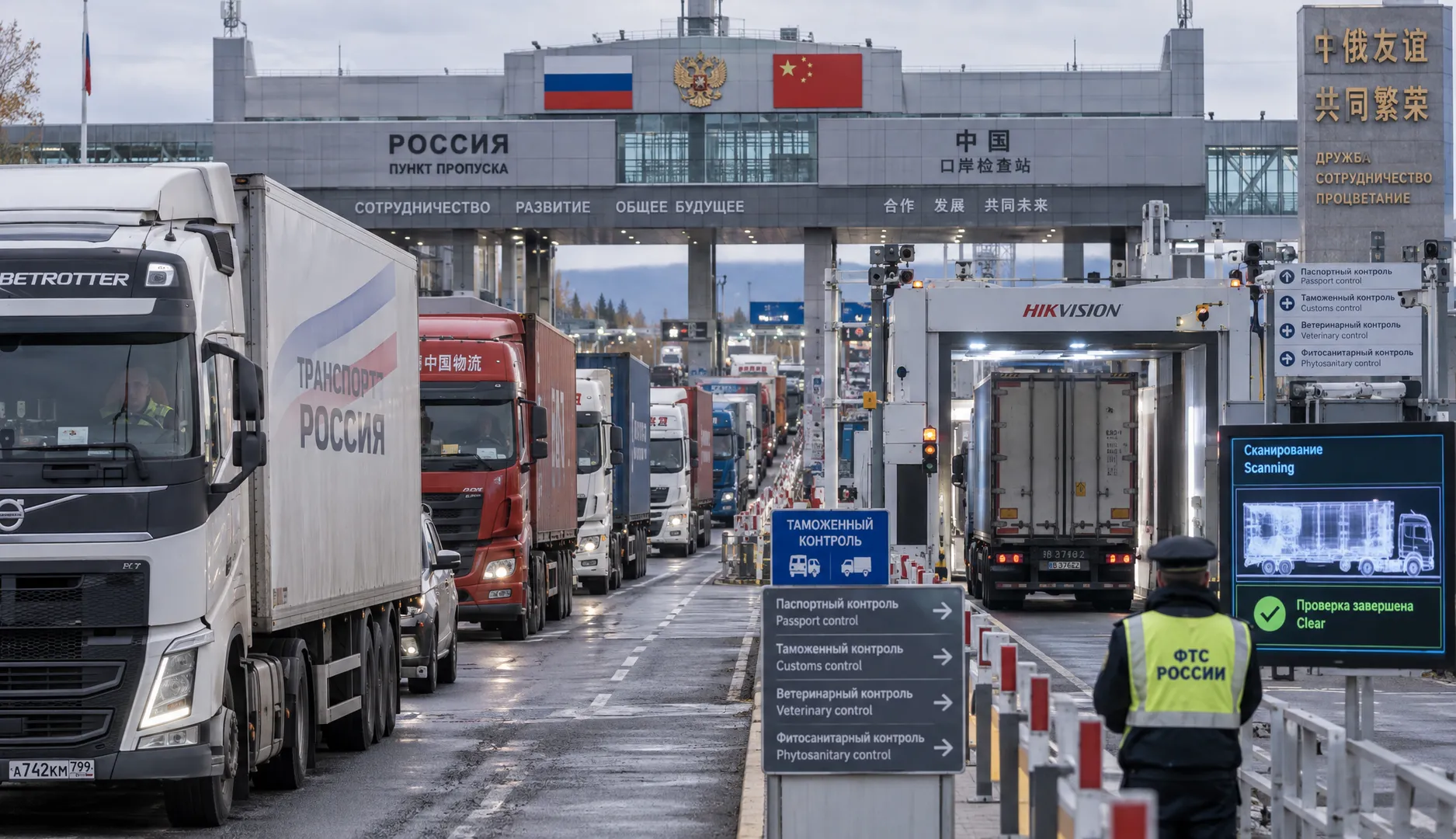
For importers and exporters who settle accounts with Russian counterparties and retail customers, switching to the digital ruble as one of the payment methods opens up the opportunity to reduce the transaction burden as early as 2026, provided timely connection to the infrastructure and assessment of integration costs.
Related news:
- Digital ruble from September 1, 2026: who is required to accept and how to keep records — who is required to accept the digital ruble and how to keep records
- WB, Ozon and Yandex Market started accepting digital rubles — how marketplaces started accepting digital rubles
- A universal QR code has become mandatory for banks and large retailers — a universal QR code with a digital ruble for banks and retailers
- The digital ruble is mandatory from September 1: the Chamber of Commerce and Industry of the Russian Federation analyzed six challenges of the digital economy for business — which challenges of the digital economy were discussed by business at the Chamber of Commerce and Industry
- Financial calculations in foreign economic activity: why the old rules no longer work and what has replaced them — how financial calculations in foreign economic activity are changing