April 2026 — the rate is 14.5%. The market was expecting a decline to 14% at the June meeting. I got 14.25%. The difference of 25 bp looks small, but it exceeds several expectations at once: the pace of easing is slowing down, and this is a signal to businesses to reconsider the horizon of credit planning.
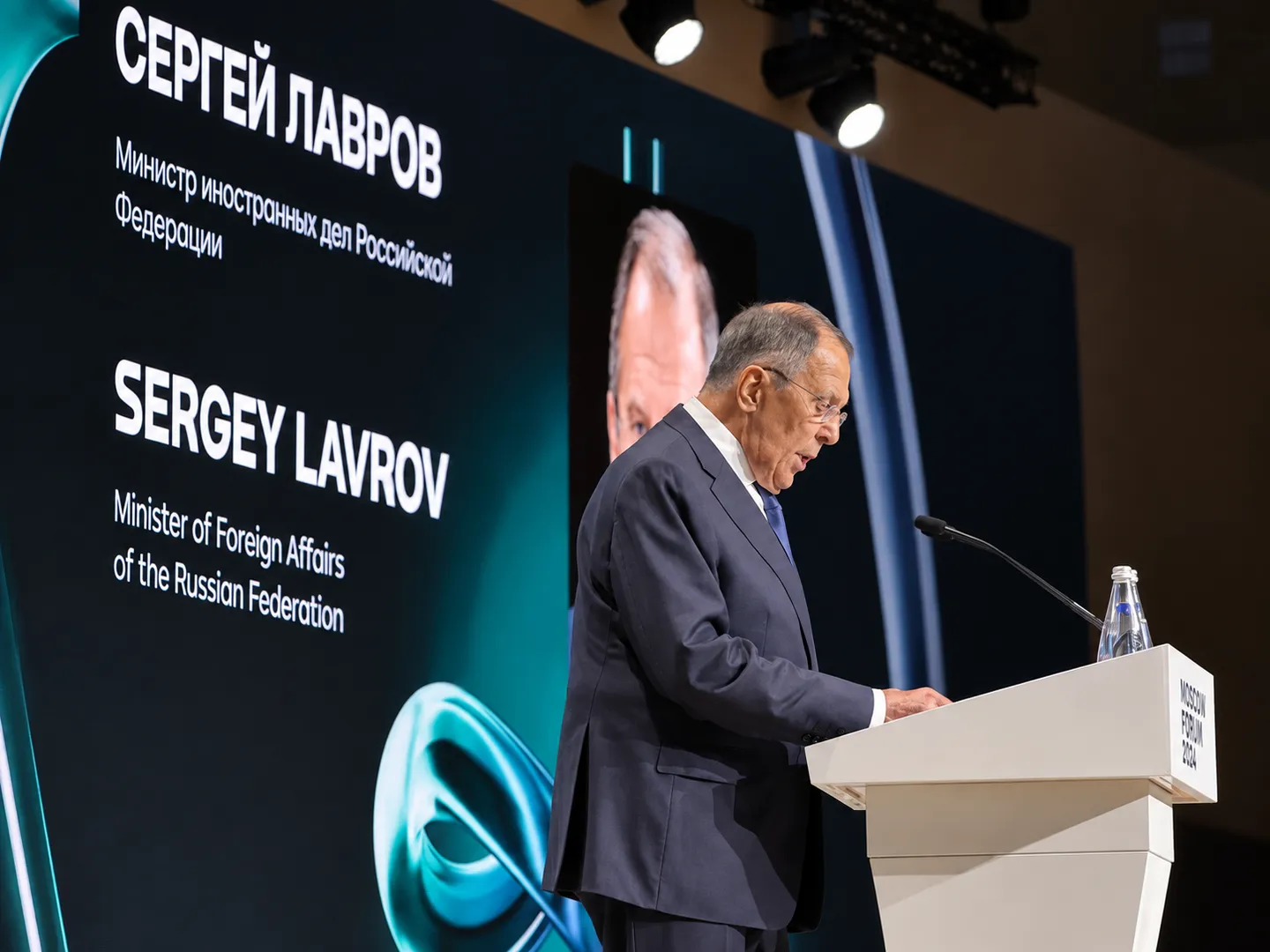
"On June 19, 2026, the Board of Directors of the Bank of Russia decided to reduce the key rate by 25 bps to 14.25% per annum. Economic growth continues at a moderate pace after a temporary decline at the beginning of the year," the regulator said in an official press release.
Why was it reduced less than expected
Three factors that the Central Bank has named directly. The first is the acceleration of credit growth. The credit market has warmed up faster than the regulator predicted in the April forecast, which is a pro—inflationary risk. Secondly, fiscal policy over a three—year horizon will be more stimulating than expected, which is an additional factor constraining a rapid rate cut. Third: inflation. Annual inflation as of June 15 was 5.6%, higher than the target 4%. Stable inflation remains in the range of 4-5% per year.
A separate nuance: Nabiullina missed the press conference following the meeting due to sick leave. The Kremlin urged not to build "conspiracy theories" around her absence.
What has changed compared to the forecasts
SberCIB expected a reduction to 14%. "Finam" — a decrease of 50 bps. Before the meeting, the swap market was planning a decrease of 50-75 bps. We got 25. A direct consequence: After the publication of the decision, the Moscow Exchange index went down to 2,409.53 points (-1.3%). The yuan dropped to 10.786 rubles.
SberCIB analysts adjusted their forecast after the meeting: the gradual decline will continue, and by the end of 2026 the rate will be 12%, but the path is slower than previously expected.
What does this mean for procurement financing?
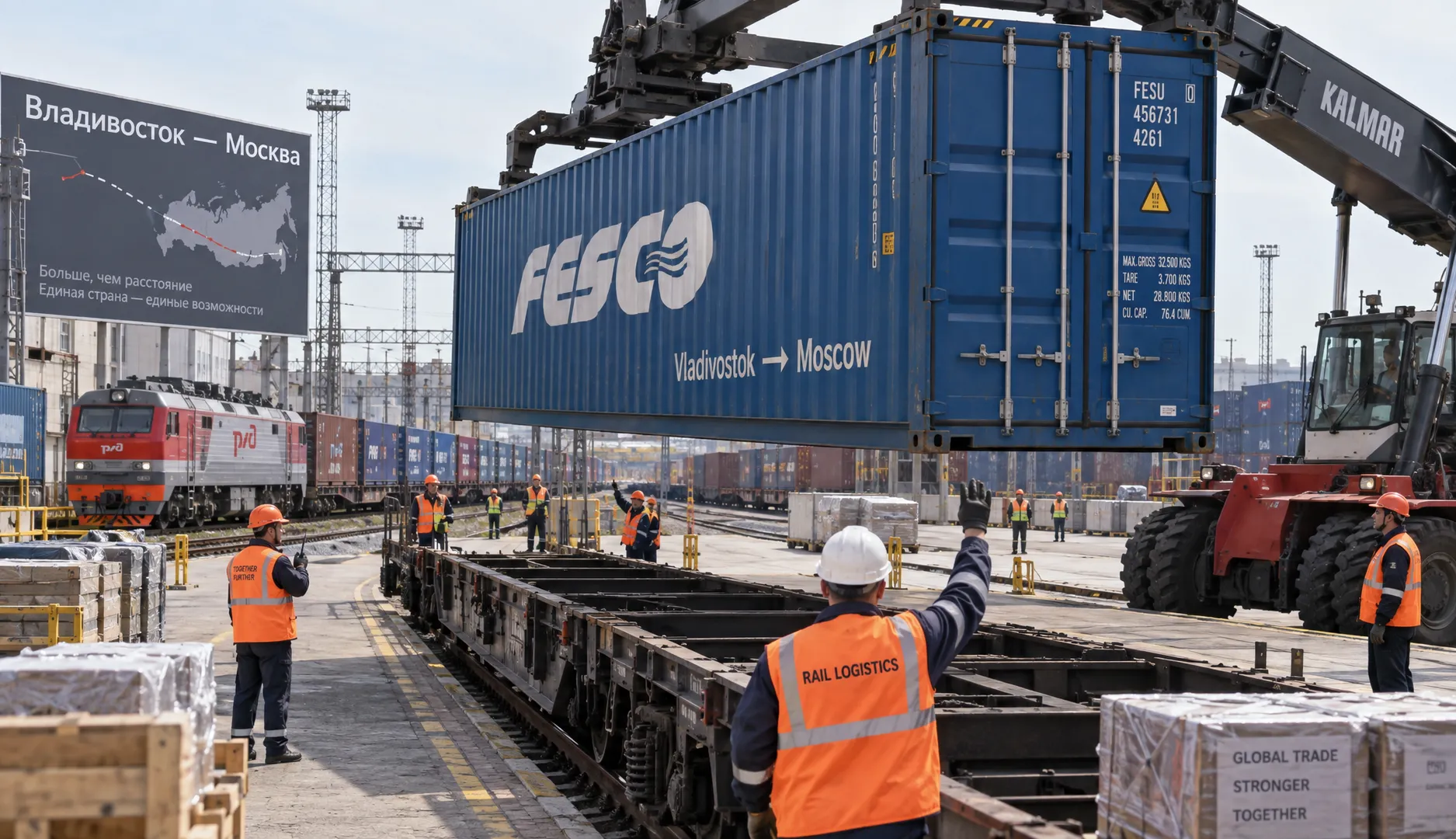
At a rate of 14.25%, the cost of credit financing for import purchases remains high. To understand the difference: at a rate of 21% (peak end of 2024), the quarterly cost of a loan for a batch of 10 million rubles is 525 thousand rubles. At 14.25% — about 356 thousand rubles. There is improvement, but it is slow.
For companies planning to expand leverage for autumn purchases from China: do not expect a sharp decrease in the value of money before the end of the year. The next meeting is on July 24, and there may be a pause if inflation accelerates in June for seasonal reasons, as the Central Bank has explicitly warned.