The combined company Wildberries and Russ (RVB) has announced its intention to equalize the working conditions for sellers from Russia and China in terms of commissions. The solution is integrated into a set of measures that the company sends to the regulator's circuit after discussions on the relevant site at the Federal Antimonopoly Service.
The key signal for the market is straightforward: "RVB will level the working conditions ... in terms of commissions."
For Russian sellers, the topic has long been about money and predictability. The commission affects the promotion rate, participation in promotions, and the ability to keep the price up with increasing logistical costs and refunds. When the rules differ by the seller's country, some have margin margin, while others have less room for maneuver.
The second part of the package of measures concerns the tools that sellers use to manage prices and discounts. The company promises to fine-tune the mechanics of pricing interaction and automate the rejection of discounts through the platform. The news separately noted that it will be possible to enable and disable such a discount through the seller's account.
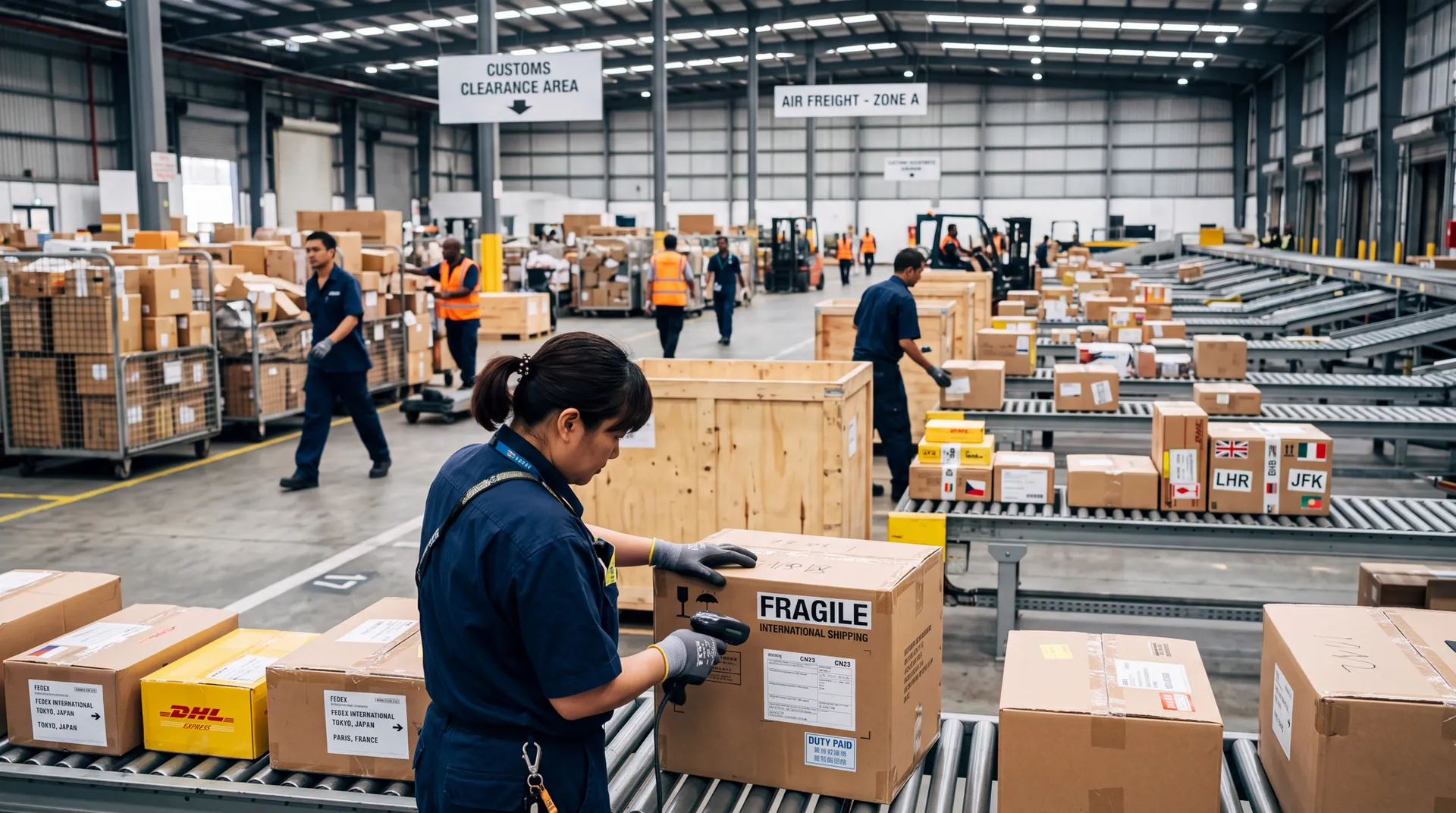
For foreign economic activity and cross-border trade, it is also a matter of “honest mathematics” in the supply chain. The seller who delivers the goods on import pays duties and VAT, lays down the warehouse, fulfillment and last mile. Any difference in fees quickly turns into a difference in the final price, and then into pressure on local manufacturers and distributors. There have already been complaints about distortions in the public field, and the very raising of the issue of equal commissions is perceived as an attempt to remove one of the most controversial nodes.
What this means in practice for sellers in the coming months. We will have to recalculate the unit economy according to several scenarios: basic commission, commission based on participation in promotions, logistics costs and refunds. It is worth checking in advance which products live on the edge of margin, where the price is kept at the expense of discount mechanics, where the turnover rate is more important than the margin. If the commission becomes more even, you will have to compete with the assortment, the quality of the card, the speed of delivery and the stability of stock availability.